A new bill in the Dominican Republic could put sports tourism at the centre of the country's development plans. Submitted to the Senate in Santo Domingo on 14 October and now under review by the Permanent Sports Committee, the proposal would formally declare sports tourism a national priority — a move with real implications for how the island courts international events and visitors in the years ahead.
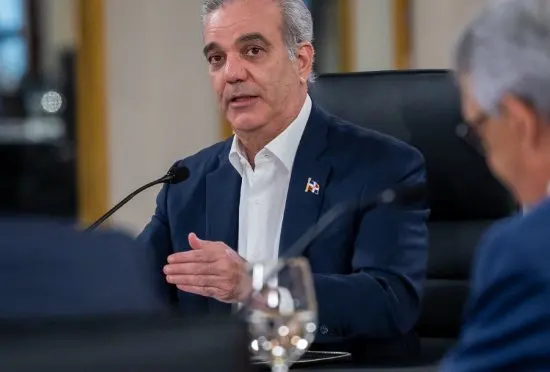
The bill is the work of the Dominican Association of Sports Tourism (ADOTURD), championed by San Cristóbal Senator Gustavo Lara Salazar. If passed, it would create a National Council for the Development of Sports Tourism (known by its Spanish acronym CONDETUDE), a coordinating body designed to bring government, sports federations and private companies onto the same page. ADOTURD president Yerik Pérez argues the country has the raw ingredients to become a leading sports tourism destination but needs a coordinated national policy to actually compete for major international events.
What would change in practice? The legislation outlines a National Sports Tourism Strategy, a registry of organisations working in the sector, and a one-stop shop to cut through the red tape around hosting sporting events and approving related investments. Notably, it proposes incentives for investors and sponsors without raising new taxes or adding to state spending — a framing clearly designed to win broad political support.
The bill also calls for the private sector to help shape and monitor public policy, plus the creation of proper statistics and economic impact studies so the sector's contribution can actually be measured rather than guessed at.
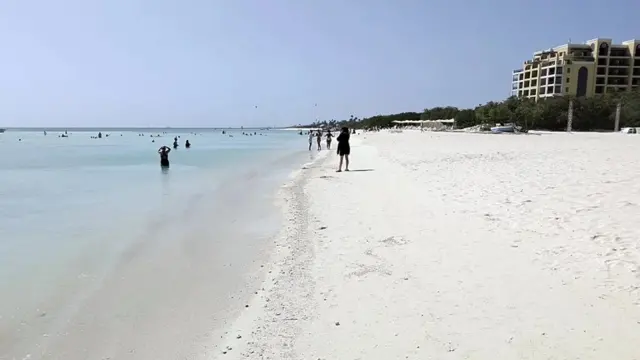
Why does this matter to travellers? The Dominican Republic already attracts millions of visitors a year for its beaches and resorts, but sports tourism is a different beast: think international baseball tournaments — a sport the country lives and breathes — golf events along the Punta Cana coast, surfing in Cabarete, marathon and triathlon weekends, and water sports competitions. Countries that formalise their approach, like the Dominican Republic is attempting here, tend to bid harder for events, build better facilities, and market themselves more coherently. For holidaymakers, that usually means more options: a race to sign up for, a tournament to plan a trip around, or better infrastructure wherever events land.
There's also a distribution angle. Pérez emphasised spreading the economic benefits to communities across the country, not just the established resort zones. If that happens, expect more events — and more reasons to visit — outside the usual Punta Cana-Puerto Plata corridor.
Nothing is law yet; the bill faces committee review and the full legislative process. But for anyone watching the Caribbean's competitive tourism scene, it's a sign the Dominican Republic wants to fight for events beyond sun-and-sand, and to build a structured pipeline for them. Travellers who like combining a beach break with something to watch or take part in should keep an eye on how this develops.