Holidaymakers weighing up a trip to the Dominican Republic may have seen headlines about the chaos next door in Haiti and wondered whether it touches the Caribbean's most-visited island destination. President Luis Abinader has moved to calm those concerns directly: gangs from Haiti have not entered Dominican territory, and the government intends to keep it that way.
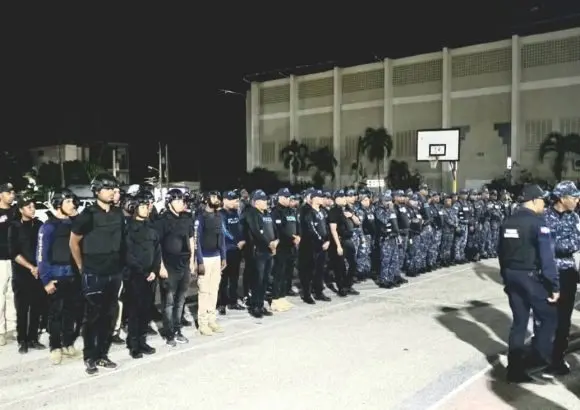
Speaking at his regular Weekly Agenda meeting at the National Palace in Santo Domingo, Abinader explained why the current moment differs from earlier spells of Haitian instability. This time, an international security force is deployed in Haiti, helping to contain the armed groups that have taken control of large parts of the capital, Port-au-Prince. In past crises, no such force existed, which allowed violence to spread unchecked. On top of that, he said, the Dominican Armed Forces are better prepared than before to respond to security challenges along the roughly 390-kilometre border the two countries share on the island of Hispaniola.
The president also flagged a detail worth knowing for anyone following border news: at least two self-defence groups are now operating on the Haitian side of the frontier, and they have pushed back incursions along the Comendador–Belladère crossing route, one of the main official crossing points connecting the two countries. Abinader reiterated a core plank of Dominican security policy — armed gangs will not be allowed to establish any presence within 20 kilometres of the Dominican border.
So what does this mean for travellers in practical terms? The Dominican Republic's tourist zones — Punta Cana, Santo Domingo's Colonial Zone, Puerto Plata, Samaná, La Romana and the rest — are far from the border and operating normally. The main resort gateways sit hundreds of kilometres east of the frontier, and the country's tourism economy remains heavily dependent on visitors, so security along the border is treated as a national priority. The Foreign Office-style advice from most Western governments generally warns against travel to Haiti itself while making no comparable warning for the Dominican Republic's resort areas.
The main caveat is geographic rather than alarmist: this is a land-border story, not an air-travel one. Travellers arrive by plane into Punta Cana, Santo Domingo or Santiago and have no reason to go anywhere near the Haitian frontier. Anyone specifically planning overland travel near the border zone — say, around Dajabón or the inland towns — should check current advisories, expect a visible military presence, and keep plans flexible. For the typical beach-and-city holiday, though, Abinader's message is simple: the crisis on the other side of the island has not spilled over, and the government is working to make sure it stays that way.
In short, this is reassurance news rather than a warning — the kind of update that should keep the Dominican Republic firmly on the shortlist for a Caribbean getaway this year.
Story first reported by Dominican Today.