The Dominican Republic has pulled off something rare: it no longer appears on the FAO's Hunger Map, and the country's tourism ministry says holidaymakers deserve part of the credit.
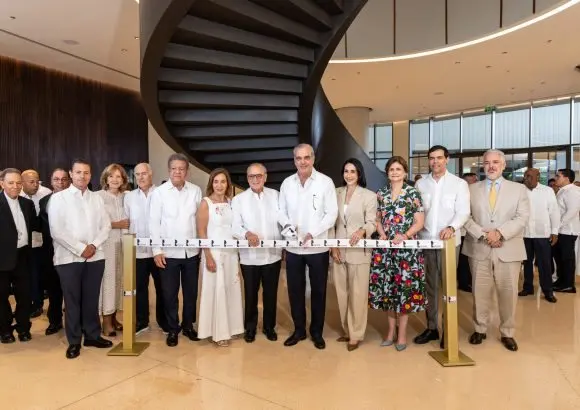
In Punta Cana, Tourism Vice Minister Carlos Peguero met FAO Director-General Qu Dongyu to present a strategy that treats tourism as a lever for national food security. The headline figure: hotels and the wider visitor economy buy more than RD$98 billion (roughly US$160 million-plus) in Dominican agricultural products every year. That makes tourism one of the single biggest customers of the country's farmers — a stable, year-round market that strengthens supply chains, puts money in producers' pockets and keeps food flowing across the island.
Peguero's argument is simple: every additional tourist creates demand for locally grown food and locally made goods, so growth in arrivals can translate directly into rural income and better food availability. He framed tourism as a proven way to turn economic growth into social well-being, and suggested that future growth should push national producers toward higher standards of quality, sustainability and innovation to satisfy international hotel buyers.
Qu Dongyu, on his first visit to the country, welcomed the approach and said the FAO wants to keep supporting projects that connect tourism, agriculture and territorial development. Two examples held up at the meeting: the Hand-in-Hand initiative in the southern border province of Pedernales, and the emerging resort development at Cabo Rojo — both presented as models for pairing new tourism infrastructure with local production.
There was also practical follow-up on the table. Officials discussed ways to organise and diversify the Dominican agri-food supply through better traceability, improved logistics, formalisation of producers and tighter quality standards. The ministry showcased its "Tourism as a Platform for Linkages with National Production" initiative, while the Ministry of Economy and hotel group Meliá presented projects on territorial development and cutting food waste in hotel kitchens.
For travellers, this is context worth knowing. The plate of mango, the local coffee and the farm cheese at your all-inclusive in Punta Cana are increasingly likely to come from Dominican growers — and the more the industry sources locally, the more your holiday spend supports communities far beyond the resort gates. It also hints at where the country is heading: Pedernales and Cabo Rojo are the next frontiers of Dominican tourism, meaning travellers who want the country before the big resorts arrive may want to look south sooner rather than later.
A story about a country feeding itself through its visitor economy is a good reminder that tourism, done deliberately, can pay dividends at home as well as at the beach.
Reported by Dominican Today.