More than 2,500 people across the Pacific turned out for the sixth Pacific Human Rights Film Festival, an annual event that pairs award-winning films with open discussion sessions — and most of it costs nothing to attend.
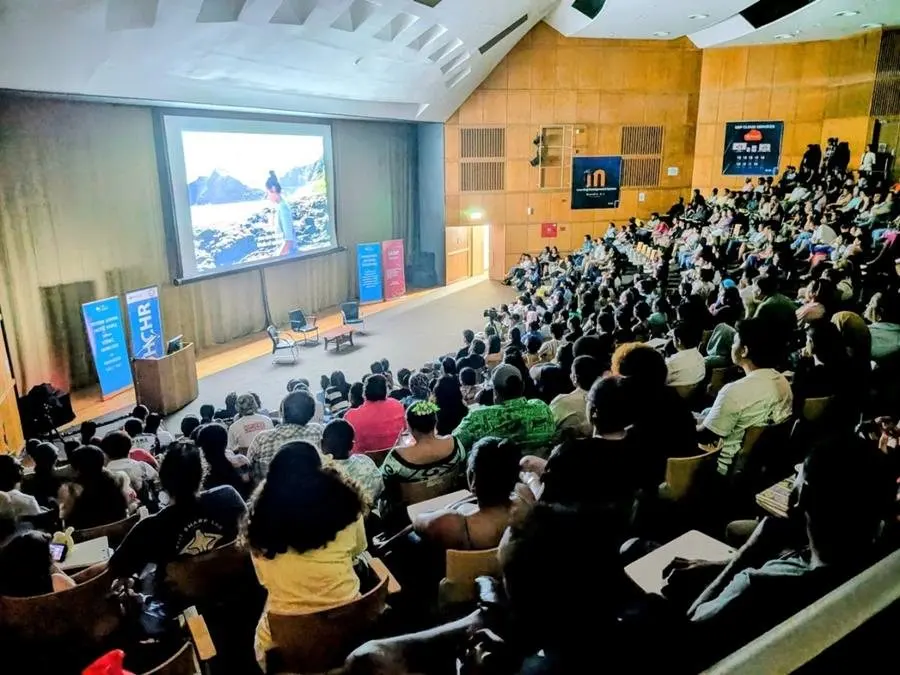
This year's edition, themed 'Light in the Darkness', ran from early September through late October. Fiji was the hub, with screenings and talanoa (discussion) sessions at Damodar City Cinema and the University of the South Pacific in Suva, plus satellite events in Nadi, Lautoka and Labasa. Fiji's public screenings alone drew over 1,500 attendees. The programme also reached audiences in Australia, the Cook Islands, Kiribati, Samoa, Tonga, Vanuatu, Hawai'i and a dozen other Pacific locations, often marking the first time residents could see these films at all.
The line-up leaned heavily on documentaries and narratives that have picked up prizes at Cannes, Berlin, the Emmys and regional festivals like FIFO Tahiti and Hawai'i International Film Festival. The curators put women-led and directed films front and centre, alongside stories about motherhood and young Pacific generations. A highlight was the Fijian public premiere of 'An Unofficial Colonial History of the Feejee Islands AKA VITI', a homegrown production. September pre-events in Fiji explored artistic intellectual property rights — a nod to the region's growing film industry.
What sets the festival apart is what happens after the credits. Every screening flows into facilitated discussions with human rights experts, filmmakers and people directly affected by the issues on screen. Organisers made accessibility a priority this year: subtitles on most Fiji screenings and sign language interpretation at many events.
The festival is backed by serious institutional muscle — the Pacific Community (SPC), the University of the South Pacific and the UN Human Rights Office Pacific, with funding from the EU Delegation to the Pacific and several European embassies. Officials from all partners stressed the same idea: at a time when human rights norms are under pressure globally, honest storytelling creates space for communities to talk openly about difficult topics.
For travellers, this is a different lens on Fiji than the resort brochures suggest. If your trip falls in September or October, checking the festival schedule is an easy way to see contemporary Pacific cinema — much of it unavailable anywhere else in the region — and hear Fijians debate the issues shaping their own future. Suva in particular rewards culturally curious visitors, and the university screenings tend to attract a lively, engaged crowd.