The Dominican Republic has quietly ramped up security along its 380-kilometre border with Haiti, and while the story is about migration control rather than tourism, it has knock-on effects for anyone planning to cross between the two countries that share the island of Hispaniola.
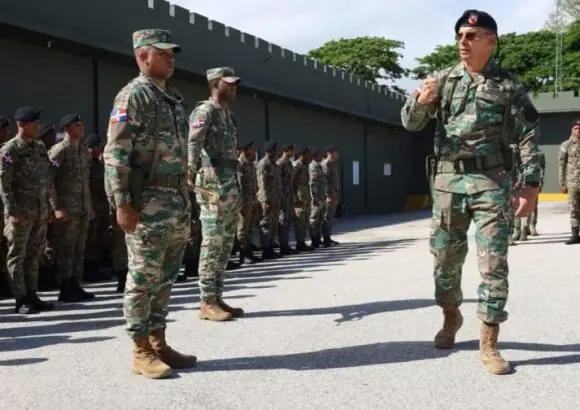
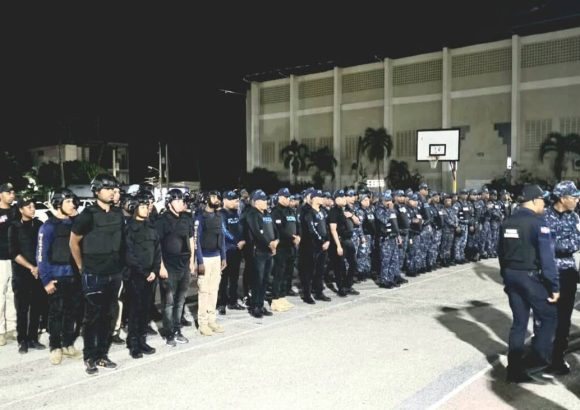
Over a weekend, the country's General Directorate of Migration (DGM) reinforced its intelligence, inspection and operational units. Brigadier General Juan Carlos Vicente Pérez, the DGM's intelligence director, and Migration Control Director Colonel Manuel A. Carrasco Guerrero personally led supervisory tours on Saturday and Sunday, checking deployments across the five border provinces and along the main routes linking the frontier to the Dominican Republic's urban centres.
The timing matters. Security operations in neighbouring Haiti have intensified, and Dominican authorities are on alert for possible spillover. The stepped-up measures include stronger identity and document inspections at official crossings and, notably, biometric registration for everyone entering binational markets — the border markets where Dominican and Haitian traders do business, and which some adventurous travellers pass through too. The stated aim is twofold: keep criminal groups out of Dominican territory and improve the country's ability to react quickly to developments on the Haitian side.
This isn't a solo effort by the migration agency. The DGM worked alongside the Armed Forces, the National Police and other state security and intelligence bodies, reviewing checkpoints, processing centres and interagency control points. Despite the tension across the border, inspections reportedly found conditions in the Dominican border provinces to be normal, with close coordination among the various units.
So what does this mean if you're travelling? For the vast majority of visitors to the Dominican Republic — flying into Punta Cana, Santo Domingo or Puerto Plata for a beach or city break — nothing changes. But overland crossings between Haiti and the Dominican Republic, already among the more challenging border crossings in the Americas, are likely to involve longer waits, more thorough document checks and additional biometric procedures. Anyone planning to cross at official points such as Dajabón or Jimaní should carry a valid passport, expect scrutiny, and build extra time into their itinerary. Dual-market days in border towns, when crowds peak, could see the tightest controls.
It's also a useful signal of where the Dominican Republic's priorities lie right now. The country remains one of the Caribbean's most visited destinations, but its government is clearly prioritising border integrity amid instability next door. Travellers already in border regions should follow local news, keep documents accessible, and expect a visible military and police presence along frontier routes. For everyone else, it's a reminder that Hispaniola's two halves, though they share an island, are best treated as two very different trips — and that the land border is a route to attempt only with solid preparation.
The measures are described as precautionary, and there are no reports of disruption to regular tourism. Still, if your itinerary touches the border zone, a quick check with your embassy or tour operator before setting off is a smart move.