If you're planning a California road trip — the Pacific Coast Highway, a Yosemite run, an LA-to-San Diego cruise — there's a road-safety story worth knowing before you go. California now has more automatic license plate reader (ALPR) cameras than any other state: nearly 21,000 documented statewide, including more than 14,000 made by the controversial brand Flock Safety. For comparison, Louisiana, a state with its own share of dangerous roads, has only around 2,100.
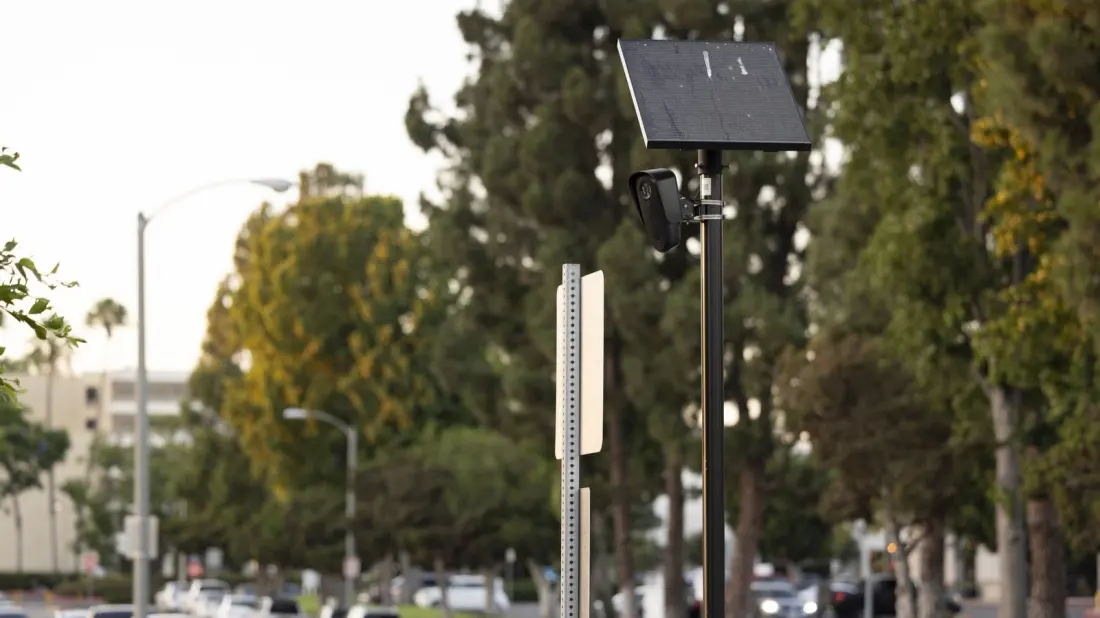
The technology isn't new in principle. The first speed camera was built in the late 1950s by race car driver Maurice Gatsonides, who wanted to measure his own lap speeds, and his company rolled out the first red-light enforcement camera in 1966. Modern Flock cameras go well beyond snapping a plate: they record your car's make, model, colour, exterior damage and stickers, and log every passing vehicle — not just speeders — into Amazon Web Services' GovCloud.
There's a genuine safety case. Research from the Insurance Institute for Highway Safety found drivers were 62% less likely to exceed the speed limit by 10 mph or more where cameras operate, and that cameras cut fatal red-light crashes in big cities by 21%. Police in California credit the system with catching an arsonist and locating a kidnapping victim in under five minutes. San Diego leads the state with 732 cameras, with San Jose, Oakland and San Francisco averaging one camera per three to ten square miles.
But the backlash is loud and growing. Critics, including the ACLU, call it a nationwide mass surveillance system that tracks movements without a warrant. A security researcher told his 1.4 million YouTube followers he breached Flock cameras in under 30 seconds and could view captured faces, despite the company denying it uses facial recognition. Documented abuses are serious: dozens of officers nationwide have been accused of using camera data to stalk women, a Texas deputy searched 83,000 cameras to track a woman he suspected of having an abortion, and in Colorado a family — including a six-year-old — was held at gunpoint after their car was misidentified as stolen, leading to a settlement of nearly $2 million. Los Angeles, Santa Barbara and Mountain View are pulling out of the system, yet state legislators rejected a bill to regulate the cameras in 2026.
For travellers, the practical upshot is simple: drive legally and you're unlikely to have any trouble, but know you're being logged far more thoroughly than in most other states — for the entire duration of your drive, not just when you slip over the limit. If privacy matters to you, crowd-sourced maps like Have I Been Flocked and Flockhopper show where cameras are located across the country. Given that California's roads are among the more hazardous in the US, per the National Highway Traffic Safety Administration, the cameras may well make your trip safer — they just come with a data trail attached.
Either way, this debate isn't going away. Expect more cities to drop or expand the cameras depending on how the privacy fight shakes out.