Bangkok already has one of Asia's most visible LGBTI communities and a booming gender-affirming medical tourism trade. Now a new report argues the city could become a global hub for the LGBTI economy — a 'pink valley' to rival Silicon Valley — by 2030.
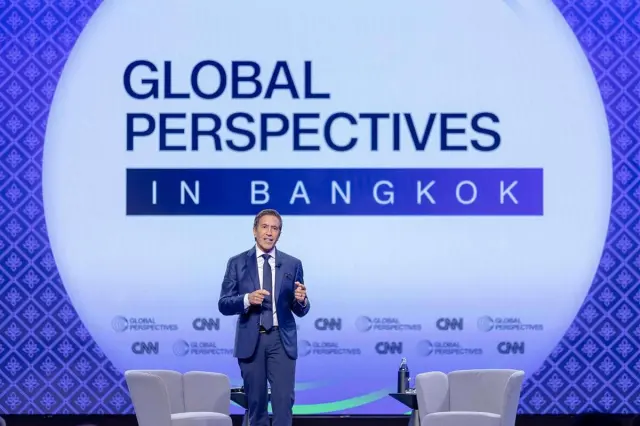
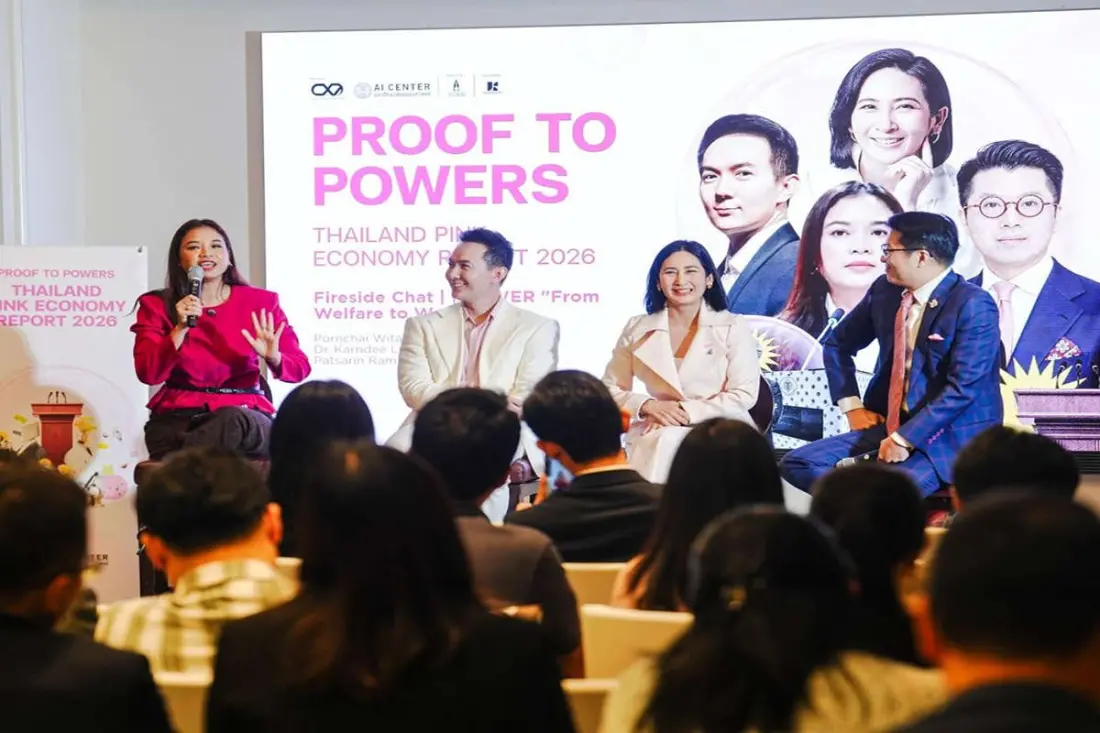
The ambition got a formal launch last month at the Grand Hyatt Erawan Bangkok, where Arj-Charia Punnatara, chairperson and co-founder of venture capital firm Canaves Ventures International, laid out the pitch. According to the 2026 Thai Pink Economy Report, the pink economy is projected to double from about US$13 billion (743.8 billion baht) in 2025 to US$20 billion by 2030. Demand and talent, the report argues, are already there — what's missing is ownership and investment money.
The gaps are striking. Only 12% of pink-sector startups have access to venture capital, and early-stage ideas struggle to find funding at all. In science, the report identified a thriving startup ecosystem and a strong pink market, but estimates three-quarters of Thai scientists are still in the closet — often because they have never changed jobs, so there's little data on whether coming out would cost them.
Medicine may be the quickest commercial win. Dr Thahanan Numnion, director of medical operations at Phayathai Hospital, said 90% of patients seeking gender-affirming treatment there are foreigners, many travelling every three to four months because care isn't available at home. As gender-affirming patients live longer, he sees a huge knowledge gap: medical expertise is mostly derived from the West, while the patients are here. His prescription is comprehensive health services plus tourism tie-ins to encourage repeat visits — and opportunities like screening packages for transgender men and women at risk of prostate and cervical cancer.
Politics is the wildcard. Some 79% of politicians support anti-discrimination bills, and 46% back an LGBTI prime minister, yet many LGBTI people stay out of public life for fear of career repercussions. Pairoh Watiyalaypan, who chairs the report's working group, believes the public would accept an LGBTI leader — and notes that being openly gay or a heir of a political dynasty is an easier route to the top job. Rules complicate things further: an LGBTI candidate must be among three candidates for a party's leadership, and the party must finish in the top three at an election. Others, like Democrat deputy leader Kareena Lepoiyai and Pheu Thai MP Prasittna Romnark, point to patriarchal decision-making and say the job is ensuring the next generation gets equal opportunities.
Why should travellers care? Because the pink economy is already shaping what Bangkok offers: clinics and wellness services built for international LGBTI patients, a visible community scene, and events in a city that prides itself on openness. If the investment and policy gaps close, visitors could see even more tailored services, from healthcare packages to LGBTI-owned businesses. For now, Bangkok is a welcoming, affordable destination where that promise is visibly taking shape — even if the 'pink valley' title is still a few years off.
Report via Bangkok Post Life.