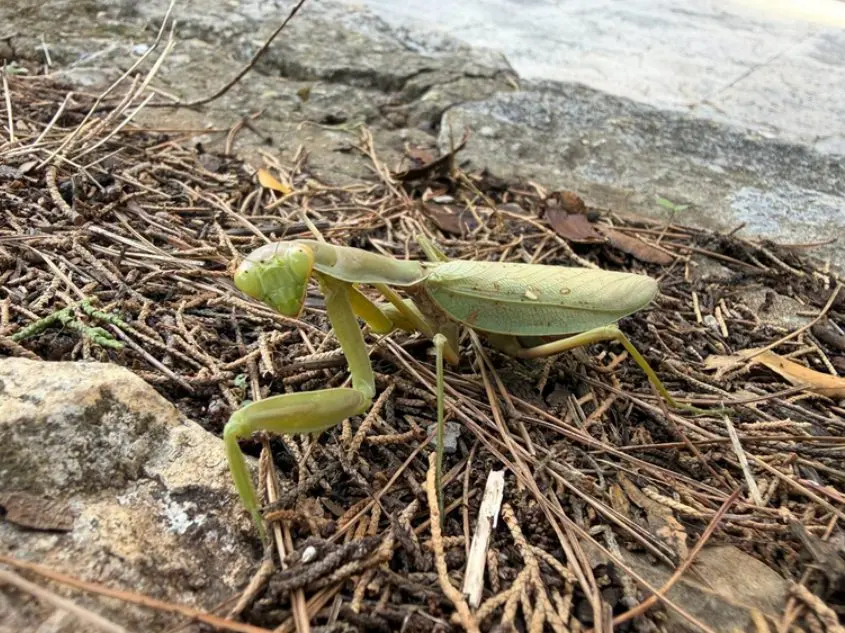
There's a new resident in one of Croatia's greenest corners, and it's bigger than the locals. The Asian giant mantis has been spotted inside Mljet National Park, the forested island national park in the southern Adriatic. Park authorities confirmed the sighting on 12 November 2026, noting that shifting weather patterns are making conditions more comfortable for the species, which has quietly spread across the eastern Mediterranean in recent years before turning up in Croatia.
So what is it? The Asian giant mantis belongs to Mantidae, one of the biggest families in the praying mantis order - the insects famous for holding their front legs folded like hands in prayer. As the name suggests, this one is a heavyweight. Compared to Croatia's native common praying mantis (Mantis religiosa), the newcomer has a noticeably larger body, mostly green but sometimes with brown or yellow tones, and a white or yellowish spot on its front wings. Another giveaway: while the native species hangs out lower down, the giant version prefers life up in the tree canopies - so you'd have to look up to spot one.
Before anyone panics, this is an insect-eater, not a threat to humans. Park staff confirmed it feeds on other insects. The open question is what it eats, exactly, and how that shakes out for local species. The park has been upfront that the long-term impact on the island's ecosystem isn't yet known - only time and monitoring will tell whether the mantis is a harmless immigrant or a disruptive one.
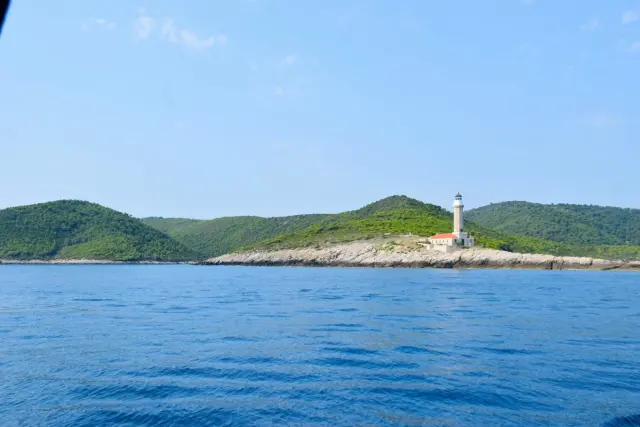
For travellers, the news is worth knowing but shouldn't change any plans. Mljet remains one of the Adriatic's most rewarding island escapes: a national park covering roughly a third of the island, saltwater lakes you can swim and kayak in, and cycling trails threading through pine forest. If anything, a walk in the park now comes with a small wildlife-watching bonus - keep an eye on the canopy and you might catch a glimpse of one of Europe's newest insect arrivals. Just don't confuse it with the familiar common mantis you'll see on dry stone walls across Dalmatia.
The sighting is also a small, tangible marker of a bigger trend: as Mediterranean summers warm, species that once stayed further east are finding southern Europe increasingly liveable. Park authorities across the region are watching similar movements closely, and Mljet's team will be tracking how this one settles in.
Who should care? Nature lovers, hikers and anyone heading to Croatia's islands who enjoys knowing what they're looking at. It's a curiosity, not a warning - and a reminder that even a quiet island national park is an ecosystem in motion.