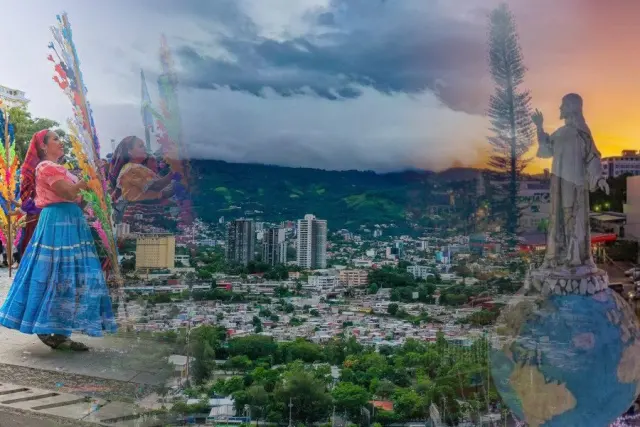
El Salvador has spent the last few years selling itself as Central America's comeback story: safer streets, a tourism push, Bitcoin headlines. But the latest household data tells a more complicated story about what daily life costs — and earns — for ordinary Salvadorans.
The Central Reserve Bank's 2025 Multipurpose Household Survey (EHPM) puts average household income at $763.81 a month nationally. That figure includes wages from multiple earners plus any support from relatives, so it stretches further than it sounds. Urban households average $887.77, while rural ones bring in just $556.38 — a gap of roughly $331 a month that shapes everything from diet to school choices.
More than one in five Salvadoran households (22.5%) live below the national poverty line. Rural areas fare worse at 24.8%, and 10.1% of rural households sit in extreme poverty — meaning their per-person income can't even cover basic food. Nationally, 7.7% are in extreme poverty and 14.8% in relative poverty.
Here's the part that surprises outsiders: having a job often isn't enough. Unemployment is low at 4.7%, but the average employed person earns just $437.39 a month. The gender gap is stark — men average $485.30, women $377.60. Education matters enormously: workers with no schooling average $252.11 a month, while those with 13+ years of education reach $747.33. Even then, nothing is guaranteed; nearly two-thirds of households lack access to social security, and 65.6% face subemployment or job instability. The survey flags 20.1% of households as multidimensionally poor — a measure that includes overcrowded housing (31%), poor sanitation (34.6%), and food insecurity (15.9%).
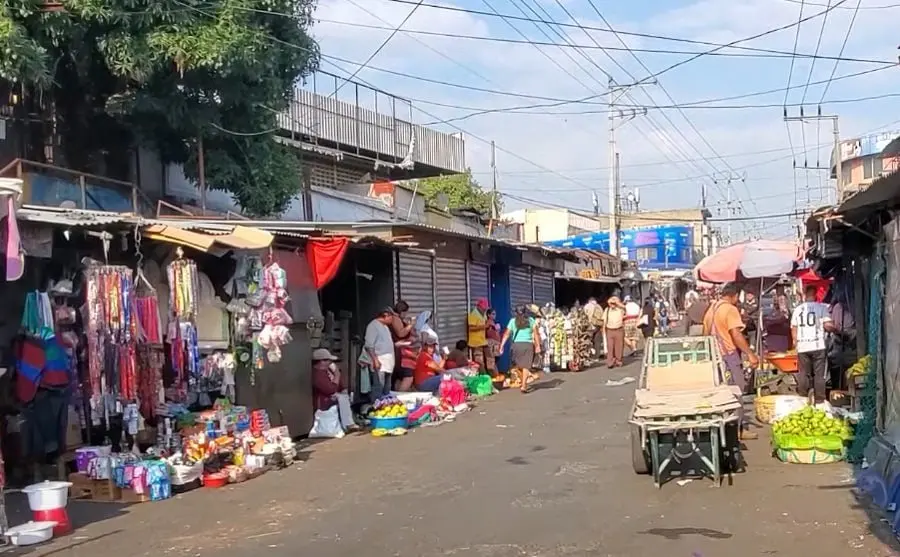
Why should a traveller care? Because this is the economy you move through when you visit. The prices you pay for coffee, shuttles and surf lessons feed into households where the average wage wouldn't cover a single night in many tourist hotels. Booking local guides, eating at family-run pupuserías, and paying fair rates without aggressive haggling has a genuinely outsized impact here. It also explains the remittance economy — money sent home from Salvadorans abroad is a lifeline baked into these income figures, and why family networks pool resources in multigenerational households.
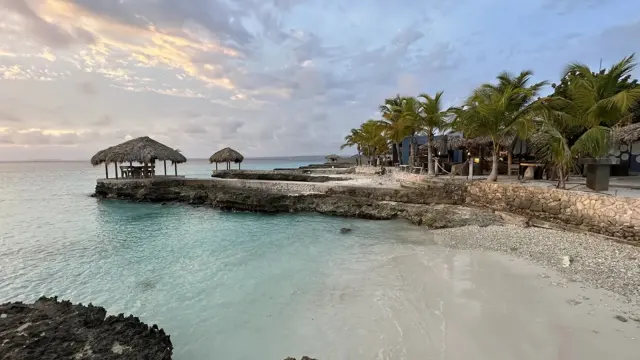
The broader picture: El Salvador is genuinely safer and more visited than it was five years ago, and tourism is one of the few sectors bringing fresh money into rural towns like El Zonte, Ataco and Suchitoto. Travelling there thoughtfully — spreading spending beyond the capital, choosing locally owned stays — puts cash where the survey shows it's most needed. Just go informed: the postcard version of the country and the statistical one are both true at once.