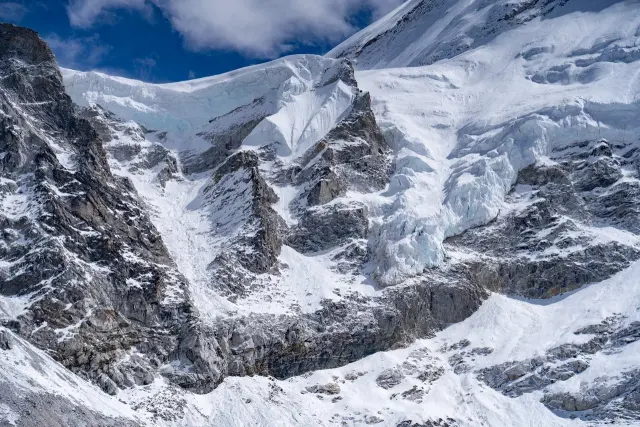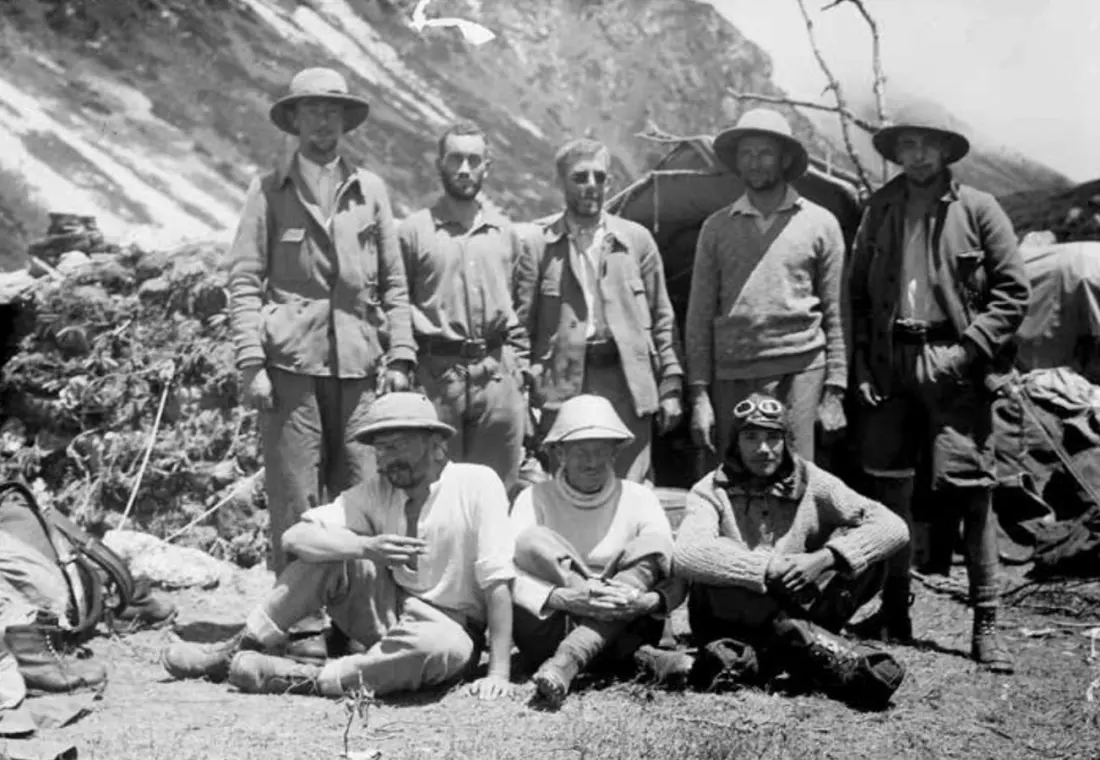
A curious piece of number-crunching has thrown new light on who really reached the 'death zone' first. Mountaineering historian Edward Morgan, researching his new book, worked out that 35 climbers had been above 8,000m before the French expedition that first summited Annapurna in 1950 — and that 20 of them were Sherpa or Tibetan porters. None of the 20 used bottled oxygen, and all were hauling heavy loads on Everest, Kangchenjunga or Nanga Parbat.
Morgan's book, 'Chasing Mallory's Dream: The Race Between Britain and Germany to Climb the Himalayan Peaks', argues these porters deserve far more credit than history has given them. While George Mallory remains a household name, the Nepali and Tibetan climbers who carried expeditions through the interwar years have stayed largely footnotes.
The book also tells a stranger story: Britain and Germany, barely two decades after the trenches of WWI and heading back to war, kept their Himalayan climbers talking. Newspapers in each country praised the other's expeditions, and disasters were met with sympathy across national lines. When the 1934 and 1937 German Nanga Parbat expeditions killed 26 climbers — nine of them Nepali — the losses were mourned on both sides. As late as 1938, British and German mountaineers were still exchanging notes, and a year before war was declared, the British in India lent an RAF plane to fly a German team to Gilgit to recover bodies buried at Camp IV.
That spirit was captured at a 1930 dinner of the Himalayan Club in Calcutta, when British surveyor Kenneth Mason toasted 'room for all climbers for all nations', and German expedition leader Paul Bauer answered that Mallory and Irvine, lost on Everest in 1924, would 'always live in the memory' of those who followed — the exchange that gave Morgan his title.
The cast is a roll call of Himalayan legend: Britons Eric Shipton, Bill Tilman, Frank Smythe, Noel Odell and Edward Norton; Germans Günter Oskar Dyhrenfurth and his wife Hettie, Peter Aufschnaiter and Heinrich Harrer, who would later cross paths in Tibet during the war itself.
For travellers, the book is a reason to look past the summit statistics that dominate Everest talk. The mountains of Nepal were mapped, named and attempted through the labour of porters whose feats matched — and often outlasted — those of the celebrated names they carried. If you're trekking in the Khumbu or the Annapurna region, the Sherpa heritage Morgan documents is not background colour; it is the story of these routes.