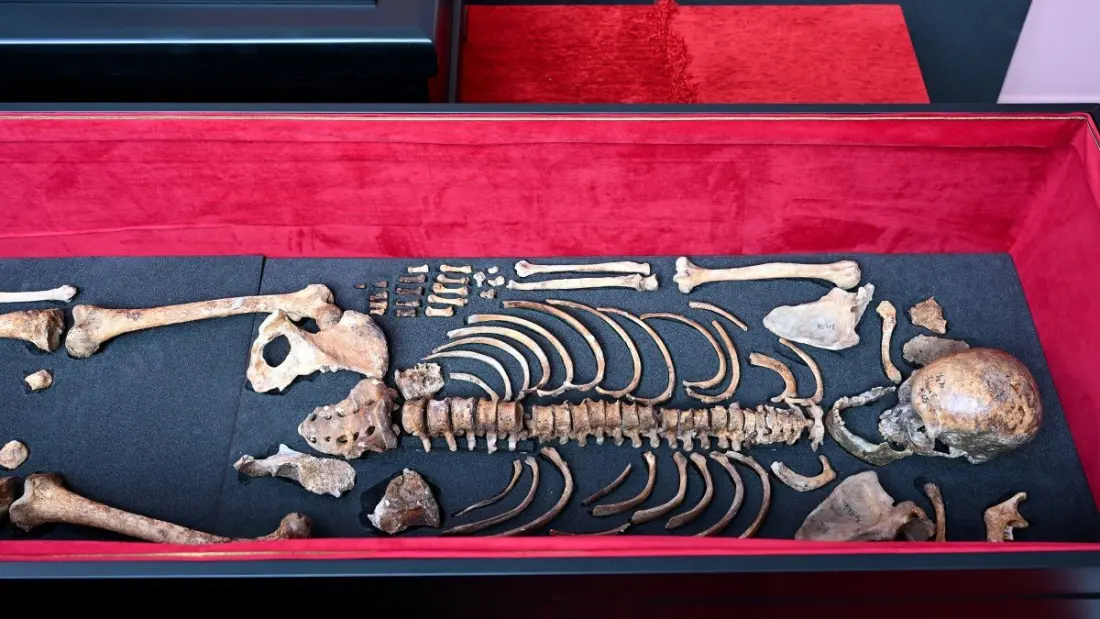
Sofia's central square was packed on a Saturday in early October as a military aircraft touched down escorted by Bulgarian fighter jets. Inside the coffin: the remains of Czar Samuel, the medieval warrior emperor who fought the Byzantine Empire, was defeated in 1014 and died shortly after. His remains had spent six decades in Greece, near the border where they were unearthed, and their return took decades of negotiation.
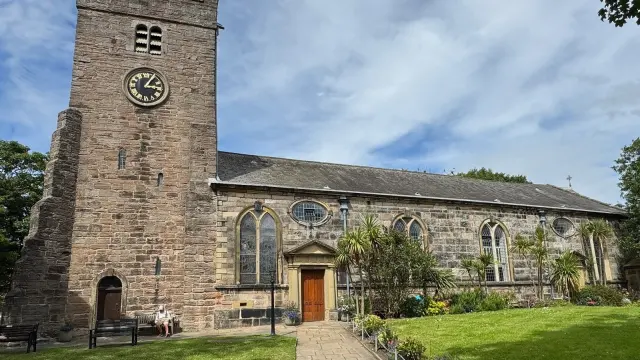
The ceremony carried real weight in a country where Samuel is a cornerstone of national identity. Politicians from Bulgaria's notoriously fragmented political spectrum stood together for the national anthem and a 21-gun salute, while Patriarch Daniil led prayers at a white marble sarcophagus. The remains were then carried to the Church of Saint Sophia, a sixth-century basilica that gave the capital its name — and, according to church officials, the place where Samuel was baptised a millennium ago.
The handover followed a deal struck earlier that week between the two countries' culture ministers: Greece returns Samuel, Bulgaria hands back religious relics taken from Greek monasteries during World War I. Greek PM Kyriakos Mitsotakis attended the farewell ceremony at Thessaloniki's Museum of Byzantine Civilization, and used the moment to link the repatriation to Greece's campaign for the return of the Parthenon Marbles from the British Museum, saying the world is rethinking how cultural heritage is treated. Some Greek academics and religious figures, though, called the Bulgarian side of the bargain insufficient.
For travellers, this is a reminder that Sofia is one of Europe's most underrated capitals for layered history. The Church of Saint Sophia, now Samuel's resting place, sits next to the fourth-century Sveta Nedelya Cathedral and above Roman ruins you can still walk through. The National Museum of History and the Boyana Church, a UNESCO-listed medieval treasure on the city's edge, make natural companions to any Samuel-themed visit. Thessaloniki, where the remains were kept for 60 years, is a short drive or train ride away and pairs beautifully with northern Greece's Byzantine heritage.
Repatriation stories like this one matter beyond politics. They tell you which sites a country treasures, and Samuel's return gives visitors a rare chance to see medieval history being actively reclaimed — not just preserved in glass cases. Go now and you'll see the sarcophagus freshly installed in a basilica older than the country around it.
With thanks to Daily Sabah Travel for the original report.