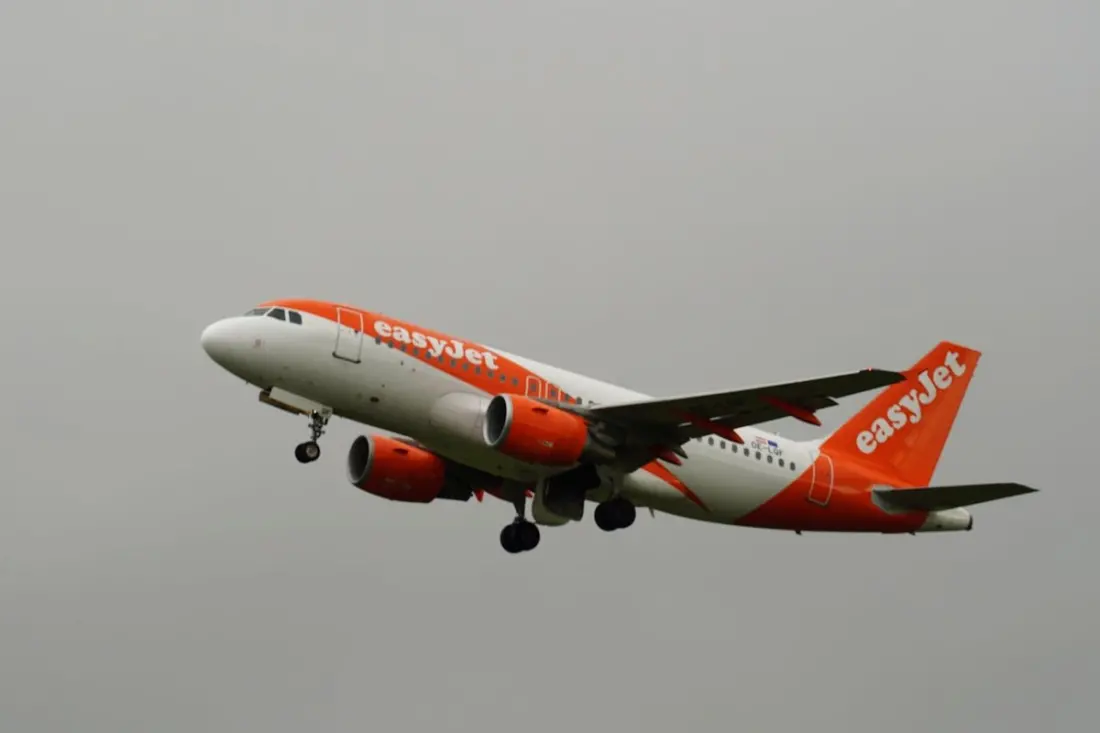
After three decades of keeping its passengers offline, easyJet is joining the connected skies club. The budget airline has signed a deal with SpaceX to fit Starlink satellite wifi across its fleet, with installations beginning on the A320 and A321 aircraft in the first half of 2027 and the rollout finished by early 2028. Once done, travellers will be able to get online from take-off to landing.
The about-face is striking. Only months earlier, easyJet's chief executive Kenton Jarvis had publicly dismissed Starlink, saying the economics didn't stack up. Now he's framing the deal as an essential upgrade, pointing to holidaymakers who want streaming entertainment and business passengers who need to stay on top of things on the ground. What he didn't say is whether passengers will pay for it — pricing, or indeed free access, remains unannounced.
The scale matters. EasyJet launched in 1995 and carried 100 million passengers in 2025, making it one of Europe's biggest airlines. Adding wifi across a fleet that size changes the default experience for a huge share of intra-European flights, especially short hops where the flight is barely long enough to watch a film in one sitting.
It also nudges easyJet ahead of its great budget rival. Ryanair still offers no wifi on its planes, and its path to Starlink collapsed in memorable fashion: boss Michael O'Leary rejected the hardware over weight and drag penalties, the disagreement with Elon Musk turned personal — both calling each other idiots, with Musk demanding O'Leary resign — and Musk then joked on X about buying Ryanair and installing a new CEO named Ryan. Whether that feud cost Ryanair a genuine capability or saved it from a costly retrofit is a matter of taste.
For travellers, the practical upshot is simple: from 2027, if you fly easyJet, you can reasonably expect to message, browse, stream or work in the air, likely on your own device. Anyone who has endured a four-hour delay on the tarmac with no signal will appreciate the appeal. The open question is cost — budget airlines rarely give anything away, so expect either a small fee or a bundle tied to fares. If pricing mirrors other Starlink-equipped carriers, it may well be free with premium tiers for faster speeds, but that's speculation until easyJet says more.
Who should care: frequent flyers choosing between European low-cost carriers, remote workers who treat the plane as an office, and families who rely on streaming to keep children calm at 35,000 feet. If wifi factors into your booking decisions, easyJet just became a more attractive option than Ryanair for 2027 onwards.