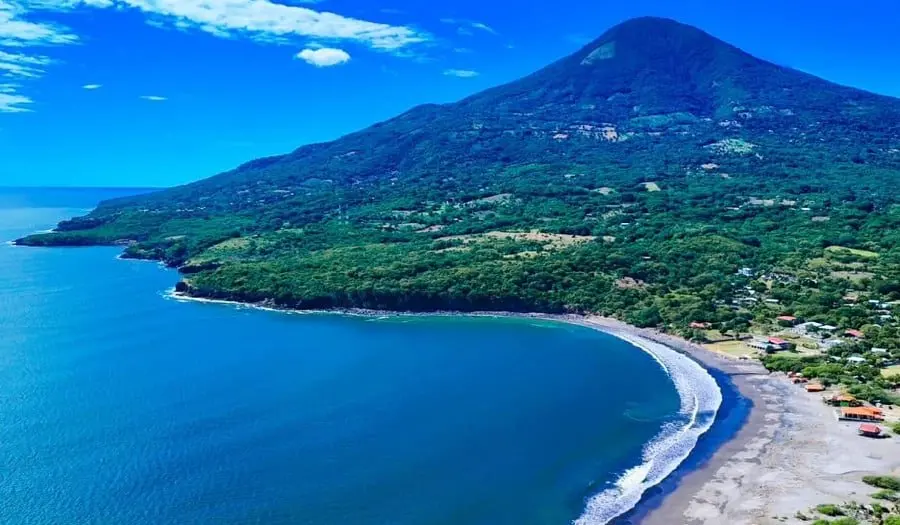
While most visitors to El Salvador chase its famous crater lakes and active peaks, the country's far east holds a different kind of volcano. Conchagua, rising about 1,225 metres (4,019 feet) above the Pacific coast in La Unión Department, hasn't erupted in recorded history — no eruptions are known across the last 11,700 years. What it offers instead is arguably the best viewpoint in the country.
From its upper slopes, you look down on the Gulf of Fonseca, the shared waters of El Salvador, Honduras and Nicaragua. On a clear morning you can pick out islands like Meanguera, Zacatillo and Conchagüita scattered across the gulf, and see coastline belonging to two neighbouring countries. The mountain itself is made up of two overlapping stratovolcanoes, with twin peaks called Ocotal and Banderas giving it a distinctive profile visible from around the gulf.
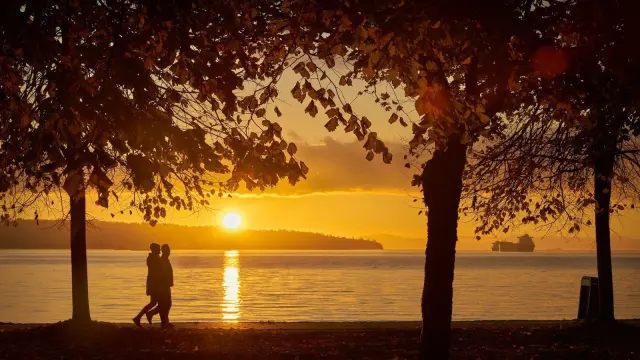
Hiking here is low-key compared to El Salvador's headline volcanoes. Trails wind through forested slopes where birdlife is the main wildlife draw, and conditions vary enough that checking with local guides before setting out is a smart move. Camping is possible too — nights are noticeably cooler than the sticky coast below, and clear skies make for good stargazing over the gulf. Sunrise tends to deliver the clearest views; sunset turns the islands and distant mountains into silhouettes, though you'll want to arrange transport in advance if you're staying until dark.
Getting there is part of the adventure. Most travellers base themselves in La Unión, the coastal port city on the gulf, or the small town of Conchagua with its colonial-era church. From San Salvador, it's a long drive east along the Pan-American Highway and through the eastern road network — budget a full day. The roads up the mountain are steep and uneven in places, so a 4x4 is often the practical choice for reaching the higher viewpoints, especially after rain. Local drivers and tour operators can sort transport and current road conditions.
Timing matters. El Salvador's dry season (roughly November to April) means firmer trails and easier driving, though haze can occasionally soften the views. The rainy season, May to October, makes the mountain noticeably greener but leaves trails muddy and roads trickier — and thunderstorms make exposed viewpoints a bad idea.
The volcano also works as a base for exploring the region. Boat trips run out onto the Gulf of Fonseca from authorised departure points, La Unión's waterfront has seafood restaurants worth your time, and the town of Conchagua makes a pleasant stop on the way up.
Who is this for? Travellers who've done Santa Ana or Izalco and want something quieter, hikers who care more about panoramas than volcanic drama, and anyone road-tripping El Salvador's underrated east. Bring walking shoes, water, sun protection, a warm layer for the cooler heights, and a torch if you're camping overnight. Stick to marked trails and designated campsites, and check the weather — fog can roll in fast and erase those famous three-country views.