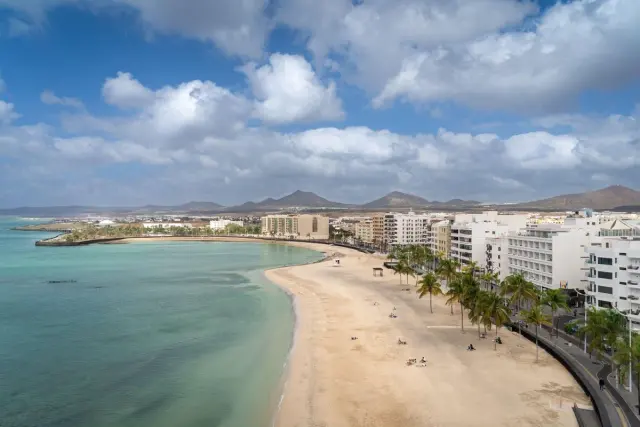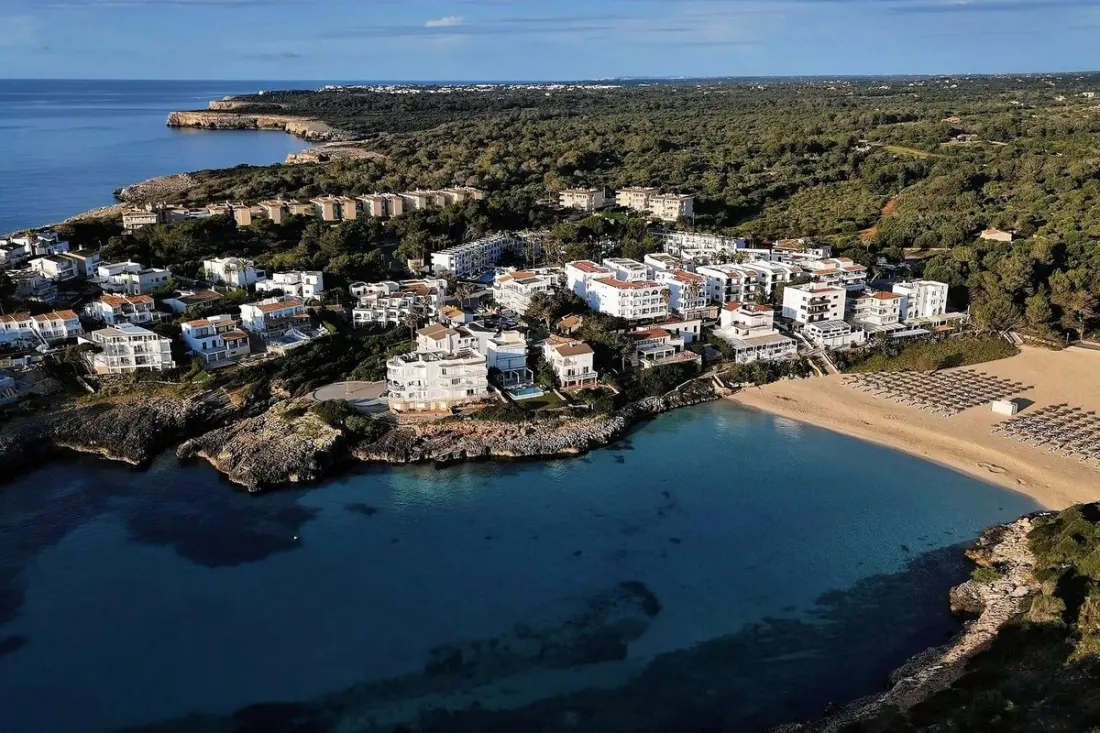
Mallorca pulls in more than 13 million visitors a year, and most of them come in summer. That's exactly why the shoulder season is worth a second look: the island still gets over 300 days of sunshine annually, with September averages around 27°C and temperatures that can hold at 18°C well into November. The beaches stay, the crowds thin out, and the island's slower side comes into focus.
The capital, Palma, is the best starting point. Home to nearly half of the island's roughly one million residents, its old town mixes centuries-old buildings with boutiques, galleries and restaurants. Local guides point out how the grand old houses were once strictly divided by social class, with nobility occupying the first floors. The city's star attraction is La Seu, the Gothic Cathedral of Santa Maria, which took 372 years to build from the 13th century onwards on the site of a former mosque — its design carries Christian, Jewish and Islamic influences, and its vast stained-glass rose window features in a friendly architectural rivalry with France over whose is bigger. Time a visit with Nit de l'Art, an annual gallery open-house celebration that marked its 30th anniversary, when exhibitions and performances spill onto the streets.
For lunch, Celler Sa Premsa is a local institution with a reputation for excellent paella.
East of the capital, near the coastal town of Porto Cristo, the Cuevas del Drach are one of the island's best-known natural sights. The limestone cave system winds through chambers of stalactites and stalagmites and ends at Lake Martel, an underground lake where musicians perform classical concerts from illuminated boats while visitors sit in the dark. It sounds kitschy; it's actually memorable.
On the south-east coast, Portocolom shows the quiet version of Mallorca — a traditional fishing village with a picturesque harbour, waterfront restaurants and coastal walking paths, with viewpoints leading to a sunset dinner at spots like Kaikuana Beach Restaurant. The newly refurbished Wyndham Portocolom resort reopened in April 2026, sitting 150 metres from Cala Marçal Beach with self-catering rooms plus a pool and gym, and the harbour a 20-minute walk away. Seven-night stays start from €720 (£625) for up to six people, which works out remarkably cheap per head for a group.
If your only image of Mallorca ismega-resorts and lager louts, the off-season is the corrective. Warm autumn sun, Roman, Gothic and Baroque architecture, caves, fishing villages and proper food — all without peak-season prices or queues. It suits couples, culture-focused travellers and families who want a slower pace, especially in September and October when the sea is still swimmable. As one local guide puts it, visitors' heart rates reportedly slow down on arrival — a claim this trip did little to disprove.