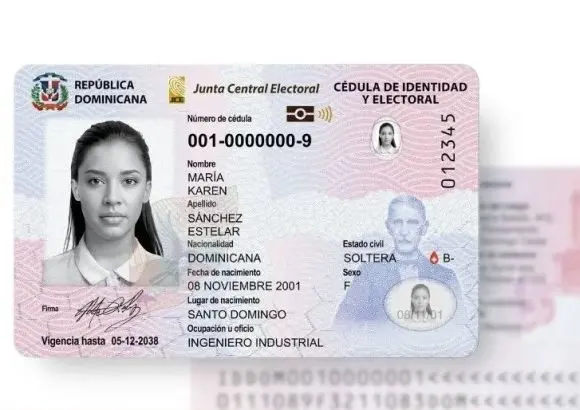
The Dominican Republic is rolling out a new identity card, and the clock is ticking. The Central Electoral Board (JCE) — the institution that runs the country's civil registry and electoral system — has set a hard cutoff of March 31, 2027, after which the old cédula will stop working for official procedures.
JCE president Román Andrés Jáquez Liranzo has been blunt about what happens if you miss it: problems with banking, employment, salary payments and a range of everyday administrative tasks. The renewal window opened on April 12, 2026 and runs until the March 2027 deadline at home. For Dominicans overseas — and relevantly for the diaspora community — the overseas process started in May 2026 and runs much longer, to January 2028.
The new card is a serious upgrade. It packs in more than 100 security features, including a cryptographic chip and biometric verification. Officials have been quick to reassure the public that it carries no geolocation or tracking capability, a rumour that clearly needed squashing.
Scale-wise, the JCE expects to issue the document to roughly nine million people. That covers voters, minors, members of the Armed Forces and National Police, and — the bit that matters to foreigners — anyone with legal residence status in the country. There are 204 registration centres across the country plus 27 offices abroad, and authorities are nudging people to get it done in November and December rather than joining the inevitable last-minute crush in early 2027.
Jáquez Liranzo also used the announcement to flag the JCE's broader Civil Registry role: more than 17 million digitised records, over 13 million of them birth certificates, and nearly 13 million civil status transactions — births, marriages, divorces, deaths — processed between April 2021 and early November 2026.
Why should a traveller care? If you're a tourist passing through Punta Cana for a week, this doesn't touch you. But if you're an expat, digital nomad with residency, retiree with a second home in the Dominican Republic, or a frequent visitor who banks, works or owns property there, your cédula is the key that unlocks almost everything — from signing contracts to collecting a salary. An expired card after March 2027 means frozen bureaucracy until you renew, and the slots at 204 centres will be scarce once the deadline panic starts. The practical advice matches what the JCE itself is saying: book your renewal early, ideally before the end of the year, and if you're abroad, note that you have until January 2028 through the overseas offices — but there's little upside in waiting.
Pair the paperwork with something pleasant: Santo Domingo's Zona Colonial makes a good base for a combined errand-and-long-weekend trip, with the registration process bookable around some of the Caribbean's most atmospheric colonial streets.