Lonely Planet's new guide, 'Dream Trips of Europe', rounds up 100 journeys across the continent, and a handful of them feel tailor-made for a 2027 getaway. The picks span fairy-tale architecture, prehistoric stone circles, slow rail travel and the birthplace of wine itself.
Start with Bavaria, where King Ludwig II — the so-called Swan King — spent his reign from 1864 to 1886 building extravagant private retreats. Neuschwanstein gets the crowds, but the Versailles-inspired island palace of Herrenchiemsee, the theatrical gardens of Schloss Linderhof and the Alpine hideaway Königshaus am Schachen, which hides a Moorish-style hall inside, reward those who wander further.
In Scotland, Orkney offers more than 5,000 years of history that most visitors never reach. The Heart of Neolithic Orkney UNESCO site takes in the stone-age village of Skara Brae, the Ring of Brodgar and the Standing Stones of Stenness, while Maeshowe tomb contains Viking-era runic graffiti carved centuries later.
Iceland's Snæfellsnes Peninsula gets a Jules Verne-inspired road trip treatment: the black wooden Búðakirkja church, the Vatnshellir lava tubes, the photogenic Kirkjufell mountain and the harbour town of Stykkishólmur all pack into a short drive.
Slovenia's 168-mile Juliana Trail loops around the Julian Alps through valleys, forests and villages, with Lake Bled — island church, clifftop castle, emerald water — as its star stop.
Slow travel fans could instead ride the rails through the Baltics: Tallinn to cultural Tartu, on to Riga's Art Nouveau streets and Central Market, then finishing in Vilnius, with its UNESCO-listed Old Town and café culture.
Georgia lays claim to being where wine was first made, some 8,000 years ago. In the Kakheti region beneath the Caucasus, family vineyards still use the ancient Qvevri method, and Tbilisi's bathhouses, churches and herb-and-walnut-heavy cuisine make a fine base.
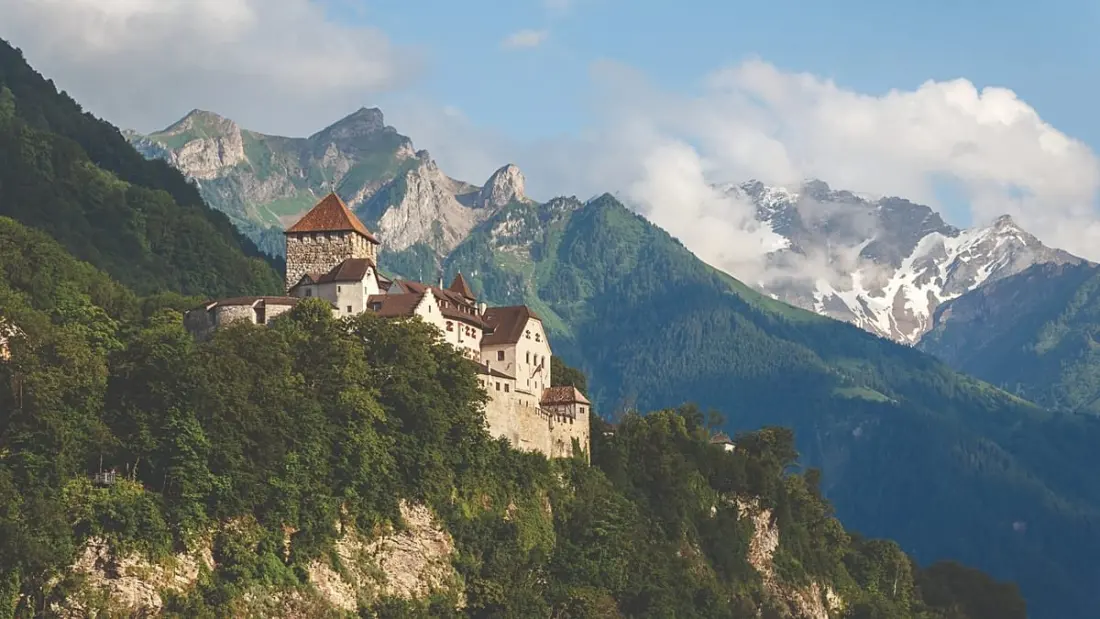
Then there's Liechtenstein, which you can cross entirely on foot. The 47-mile Liechtenstein Trail runs from the Swiss border to Austria via vineyards, the Walser village of Triesenberg and Vaduz with its 12th-century castle.
Finally, Sicily: base yourself in the southeast for Syracuse and Ortygia's Greek ruins, the baroque towns of Noto, Modica and Ragusa, and a day out among the craters and lava caves of Mount Etna.
The appeal here is variety — one list covers hikers, rail lovers, wine drinkers and history buffs. Several of these trips work well as two-week itineraries or, in Liechtenstein's and Bavaria's case, short breaks. For 2027 planning, the book's message is simple: skip the obvious city-and-back trip and pick one region to do properly.