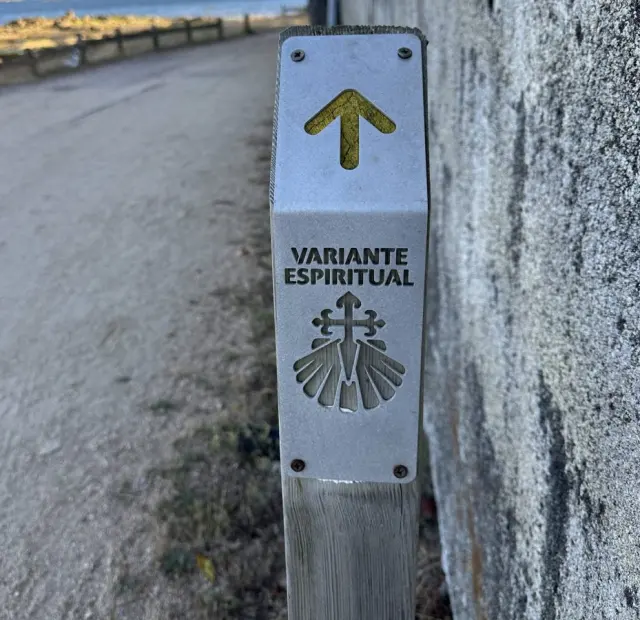
A walking holiday blog entry from day 37 of the Camino de Santiago captures what makes this pilgrimage special long before anyone reaches Santiago de Compostela: the people, the food and the strange slowdown that happens as the finish line approaches.
The writer, hiking under the trail name "Chill Out", starts the day well-rested after nine hours in a curtained bunk, then falls in with two friends she calls her Italian and Argentinian brothers — walkers met days earlier who now feel like family. A conversation with an Italian actress-in-training about balance and happiness sets the tone: on the Camino, strangers talk about how to live, not just where to eat.
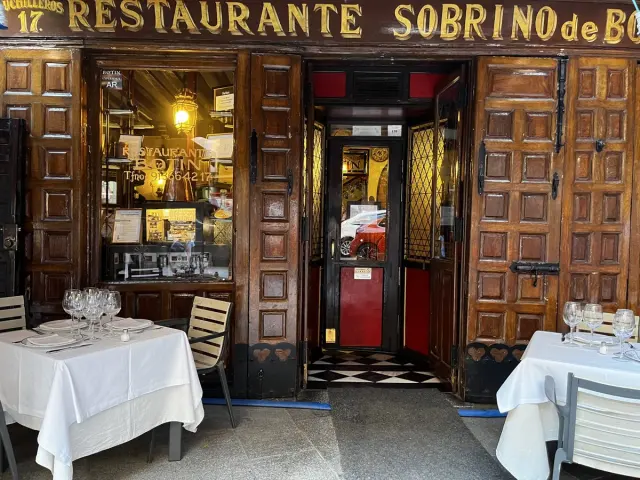
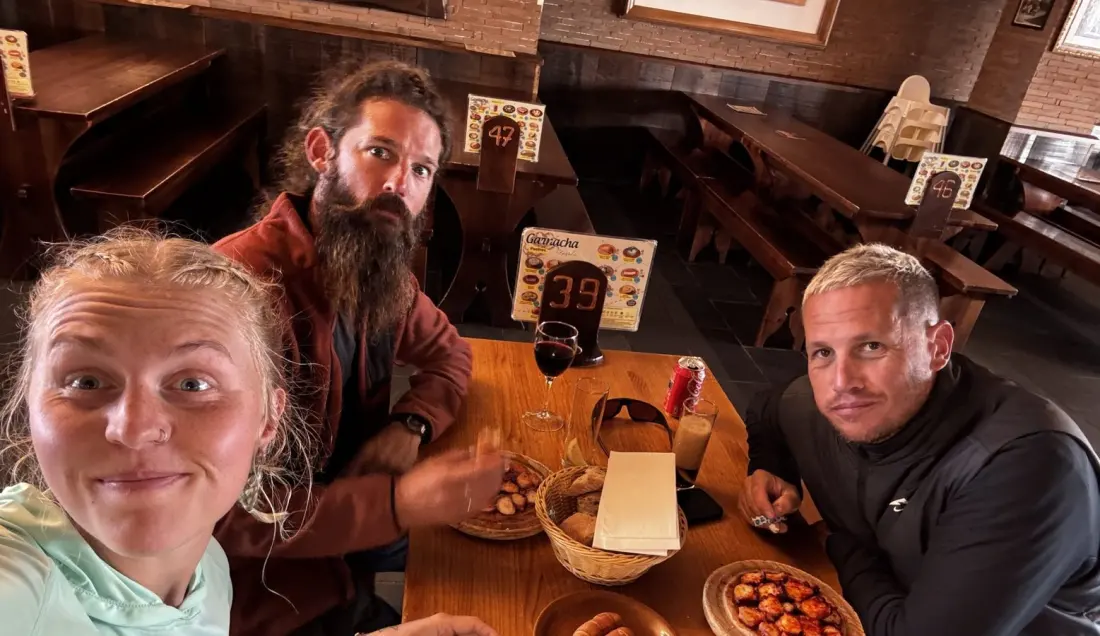
Food is the other constant. The trio stops at A Garnacha for Galician pulpo, the region's famous octopus served with toothpicks as utensils. Later, in the town of Arzúa, they check into the Xunta de Galicia municipal pilgrims' hostel, shower, and then order nearly an entire menu when the Galician barbecue they wanted runs out — homemade croquettes, pimientos de Padrón (the small blistered peppers where one in ten is fiery hot), mixed salad, raxo and milanesa de pollo, followed by cheesecake and flan. Gelato in the street closes the night.
The emotional beat of the entry is the end-of-trail drift. One of the brothers has just bought his plane ticket home and suddenly wants to slow down, comparing the final days to the last slice of pizza — you want to make each bite last. The three spend over an hour at a pilgrim rest area, dancing and singing for walkers passing through, then finish the day's stage independently. Along the way the writer stops at a stone bridge over a stream, skips acorns at a rock, and reflects on how much she loves the simplicity of pilgrimage life.
For anyone considering the Camino, this is a useful window into the rhythm of the final week. The last stretch into Santiago runs through Galicia's green, gentle countryside, with towns like Arzúa serving as classic overnight stops — small, walkable, and full of inexpensive pilgrim menus and municipal albergues costing only a few euros a night. Distances are short by this point, which is exactly why the walking gets emotional: the routine of packing, walking, eating and sleeping together ends abruptly when everyone arrives.
The takeaway for travellers? Build slack into your itinerary. Pilgrims who rush the final days miss what makes the Camino memorable — spontaneous music sessions at rest stops, long lunches with people you met a week ago, and the willingness to sit still for an hour. The trail itself is only half the experience; the friendships and the food are the other half, and both deserve more than one bite.
Reported by The Trek.