Colombia's weather agency IDEAM has officially confirmed that El Niño is active, and it's no weak one. As of October 8, the phenomenon — driven by warming in the Pacific Ocean — is rated between strong and very strong, with effects forecast to last through the first half of 2027. For anyone planning a trip to Colombia in the coming months, that means hotter temperatures, less rain than usual and a handful of practical considerations.
The timing is a little counterintuitive. Colombia is currently in its second rainy season of the year, which runs from late September and peaks in October and November, especially in the Andean and Caribbean regions. So travellers may still encounter heavy downpours, thunderstorms and lightning, plus localised risks like flash floods and landslides. But the broader picture is a drying one: below-average rainfall is expected across the Caribbean, Andean, Pacific and much of the Orinoquia regions through October, and December is shaping up as the most critical month, when the rainfall deficit is forecast to intensify.
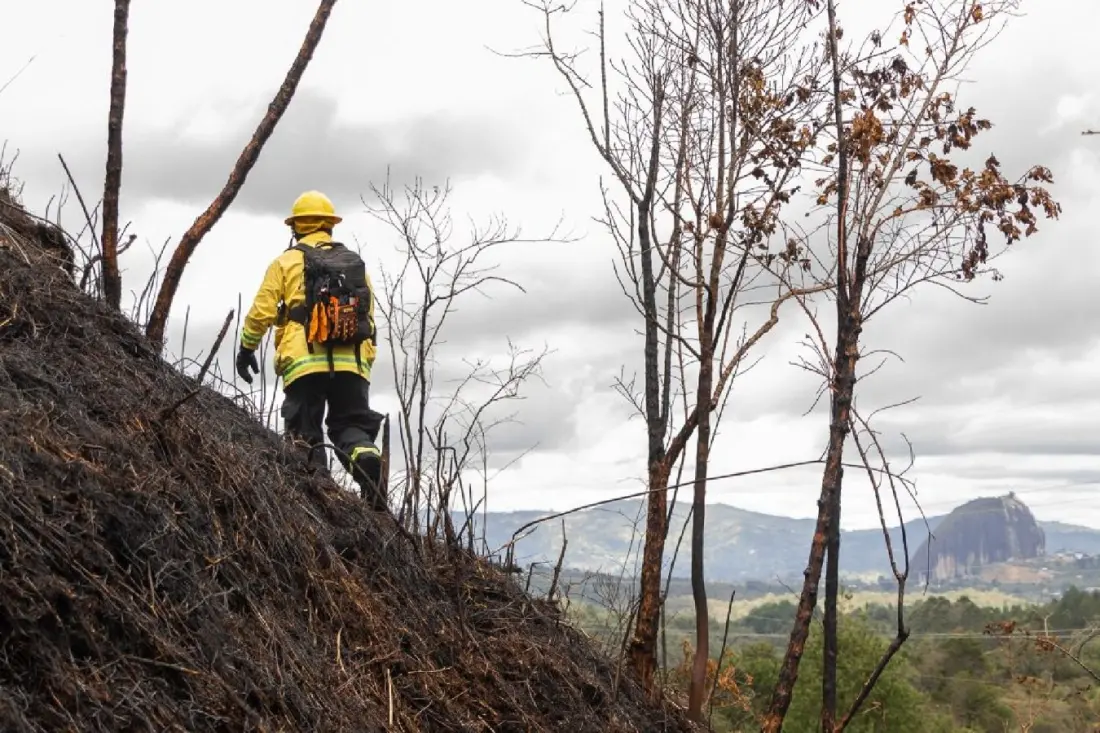
The Colombian government has already mobilised. Under Presidential Directive 03 and Law 1523 of 2012, agencies must have contingency plans active by November 30. The disaster risk agency UNGRD is coordinating regional responses and using satellite monitoring to track forest fires — a real concern once the dry spell takes hold. The Environment Ministry is protecting water sources and vulnerable ecosystems, while the Mines and Energy Ministry has an emergency plan to secure power supply, boosting thermal generation and fuel reserves under its Plan Energía YA.
So what does this mean for your holiday? If you're headed to Cartagena, Medellín, Bogotá or the coffee region between December 2026 and mid-2027, expect warmer, drier conditions — which many travellers will actually welcome, since the usual rainiest months could be more forgiving than normal. Hiking and city sightseeing are less likely to be washed out. On the flip side, water shortages are possible in some areas, so book accommodation with reliable infrastructure, pack for strong sun, and keep an eye on local news if you're travelling to rural or forested areas where fire risk rises. And don't ditch the rain jacket entirely: isolated intense storms can still hit even in a dry overall pattern, particularly during the current transition months.
The key takeaway is flexibility. El Niño doesn't mean Colombia shuts down — it means the usual seasonal rhythm is skewed, with December the month to watch most closely. Check conditions close to your travel dates, build some slack into itineraries involving remote regions, and you'll likely find this is a manageable, even favourable, window to visit.