Cape Verde's beaches are not one thing but ten — that's roughly how many standout stretches of sand this Atlantic archipelago spreads across its islands, each with its own personality. Bradt Guides has pulled together the pick of them, and the list makes a strong case for hopping between islands rather than settling for a single resort.
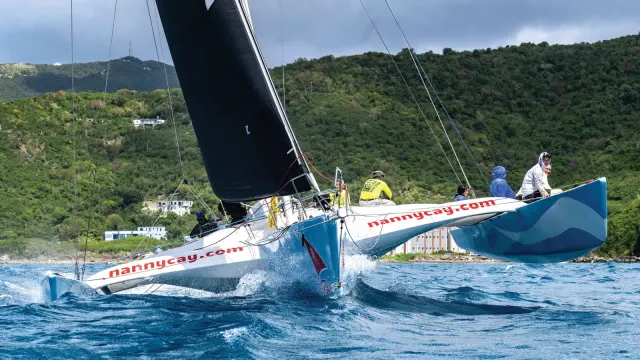
Sal is the watersports heartland. Santa Maria Beach runs about 3km of soft, rock-free white sand, with windsurfing schools by the pier for beginners, the mid-bay for intermediates and kitesurfers at the Ponta Sino end. Kite Beach, a 2km nature reserve once known as Shark Bay, is shallow for hundreds of metres out and has a small reef suited to learners; a taxi from Santa Maria costs around €15 return, and there's a turtle hatchery on site in nesting season. Ponta Preta, reachable on a long coastal walk from town, is the surf-and-windsurf favourite with just two restaurants. Quieter still is Serra Negra on the east coast, where black rocks and cliffs meet the sea — a 4x4 or quad-bike mission, and watch the tide, which can cut off the northern end.
Boavista goes for drama. Praia de Santa Mónica and neighbouring Curralinho demand commitment: hours of walking or a bumpy 4x4 track from Povoação Velha, plus your own water, food and shade. The reward is a magnificent, near-empty strand — the locals cheekily named it after the Californian original, though this version is arguably finer. Rustic Boca Beach bar serves grilled fish and cold Strela beer, feet in the sand. Praia de Chaves stretches endlessly south of Sal Rei, its dunes bordering Rabil Lagoon, a Ramsar wetland and one of 12 Important Bird Areas in the country. Remote Curral Velho, 15km from anywhere, overlooks an islet that was one of just two eastern Atlantic breeding sites for the magnificent frigatebird — though the last male died in 2015 and only a couple of ageing females remain.
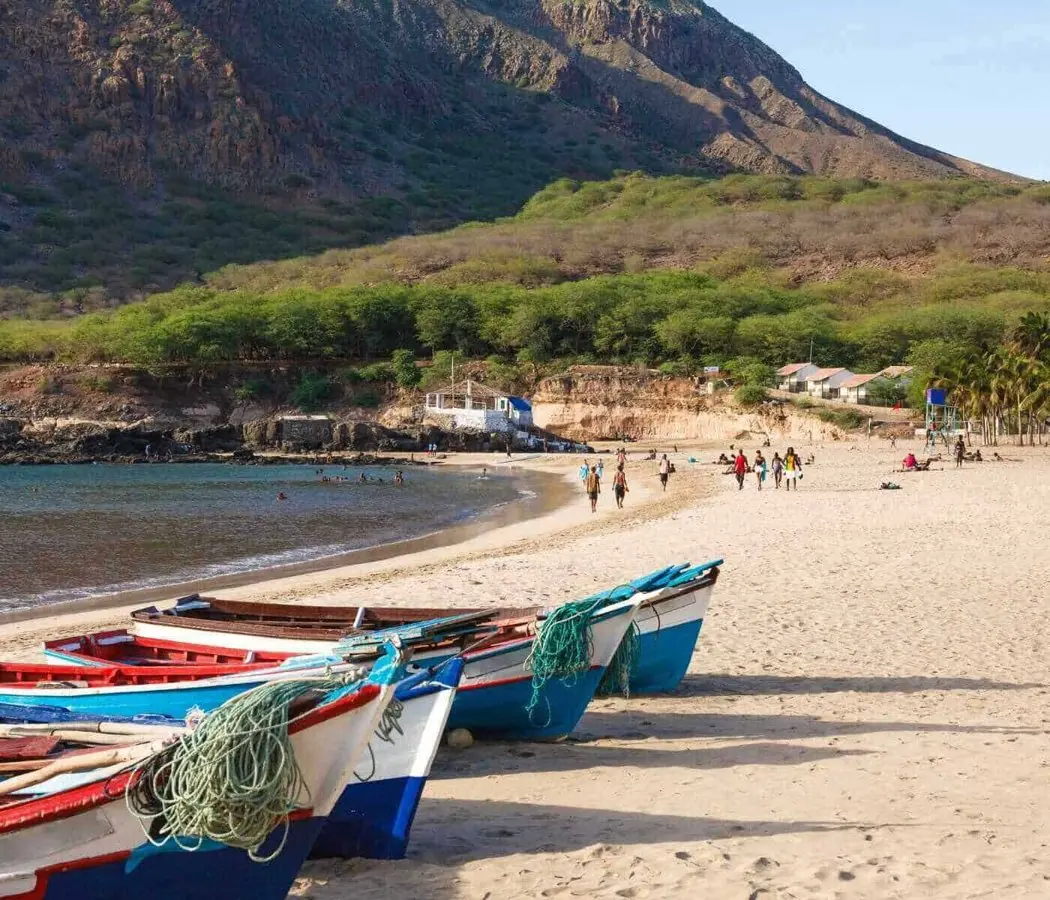
Elsewhere, the variety deepens. Tarrafal on Santiago pairs soft sand with a lived-in local buzz; the smaller Mar di Baxu next door is nearly always safe for swimming. Fogo's Ponta da Salina is a black-rock cove with ladders into clear water, festive on Sundays, and a simple new pensão — Hotel Salinas São Jorge — opened nearby in late 2024. And Tarrafal de Monte Trigo on Santo Antão, a hairy mountain-road drive from Porto Novo, is the archipelago's escape artist: the longest black-sand beach on the island, sea eagles overhead, and little to do but snorkel and unwind after a hiking trip.
One honest caveat from the guide: ocean swimming here can mean rough surf and rips, so pool-equipped accommodation is worth considering if you're a keen swimmer. Who's this for? Watersports fans in search of reliable wind, hikers wanting a post-trek cool-down, and anyone tired of packed Mediterranean sand — with a tolerance for getting there by 4x4, aluguer or quad bike.
Story via Bradt Guides.