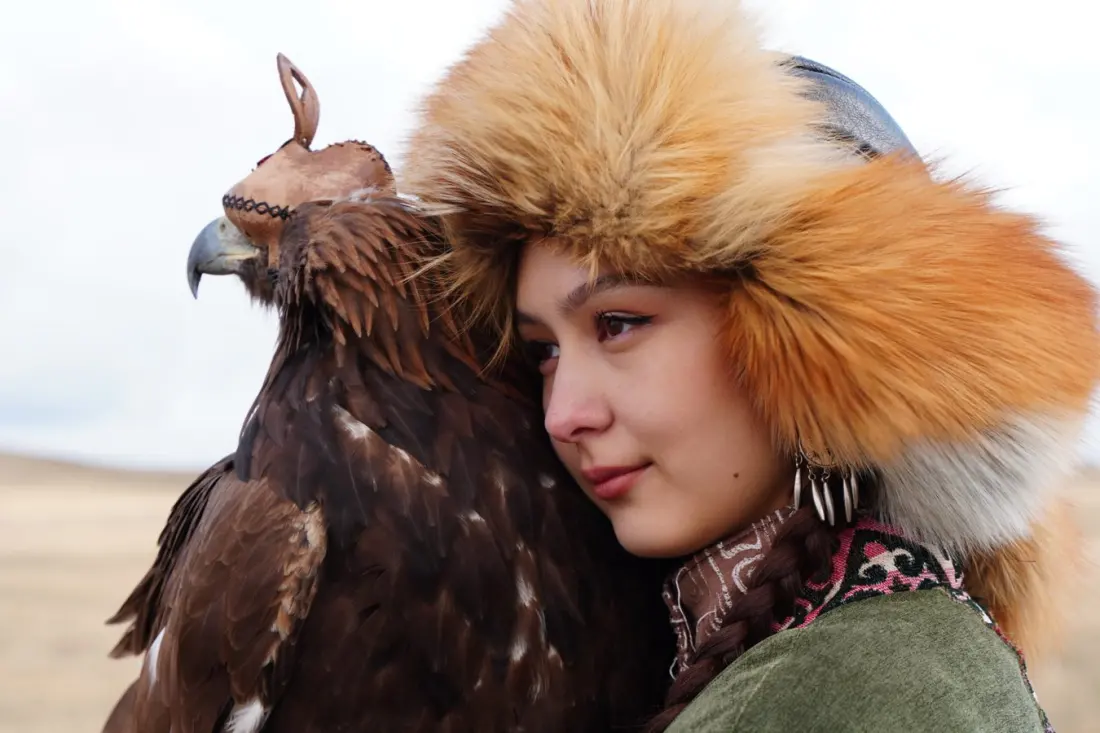
A village in East Kazakhstan just hosted the country's biggest celebration of eagle hunting, and for the first time it came with international stakes. Shygys Salburyny, held at the Burkit Tobe ethnocultural complex in Bozanbai village from October 8-10, drew 176 falconers from 10 countries to compete in the first Open Asian Cup in traditional falconry, alongside nearly 15,000 visitors.
The competition tested golden eagles, hawks and falcons on responsiveness, flight control and hunting skill. Birds were recalled from distances of up to 700 metres, judged on the shyrga lure exercise, and set to live-prey hunts involving foxes, hares and pigeons. Judges warned that a single point could decide a winner. The festival itself only dates back to 2021, when it began as Qansonar - a Kazakh word for the moment fresh snow makes animal tracks visible - before going international a year later.
Timing matters beyond the sport. Kazakhstan joined UNESCO's multinational falconry inscription in 2016 and now has a separate nomination under consideration for 2026: Salburyn, covering golden eagle hunting, tazy dogs and horsemanship. Ministry and UNESCO representatives were in Bozanbai during the festival, so the gathering doubled as a showcase for that bid.
The human stories were as compelling as the scores. Turkish researcher Dr Nedim Mutlu Kızılbuga, on his fourth visit since starting doctoral fieldwork here, argues the training runs both ways - falconers become more disciplined and patient because the eagle demands it. Among the newcomers was Aisulu Bekniyazova from Almaty, who found falconry through an Instagram casting call a year ago and debuted in Bozanbai with her young golden eagle Mangaz. Her mentor, Ayazhan Daniyarkyzy, trains girls as young as 14, starting simply with teaching a bird to land on the hand.
International visitors noted what makes the Kazakh version distinct. Spaniard Julen Bara Lanas hunt on foot with manufactured gloves; here it's horseback and handmade kit. Hungarian Bence Fábos called Kazakhstan the motherland of falconry and praised its horses and birds.
Birds weren't the only athletes. Tazy sighthounds - a Kazakh national treasure so revered that tradition avoids even calling them dogs - raced across open terrain, won this year by a two-year-old from Asubulak whose owner runs it 20-30 kilometres daily. Add horse taming, mounted archery, tenge ilu (grabbing coins at a gallop), tug-of-war, concerts and 50 yurts of crafts, and you have one of Central Asia's more atmospheric autumn events.
For travellers, this is a rare chance to watch a living hunting tradition rather than a staged performance, in a region most visitors skip on their way to Almaty's mountains.