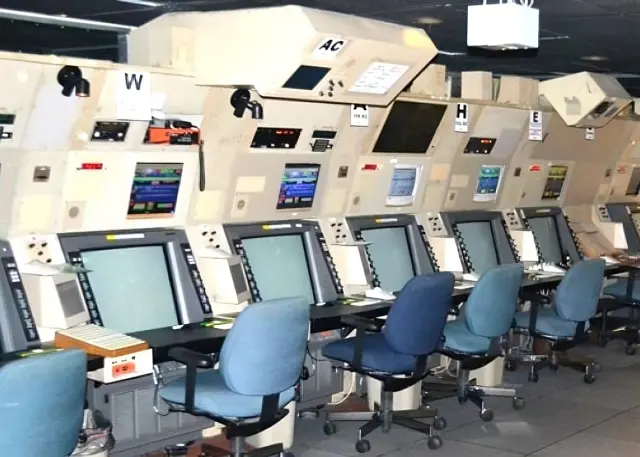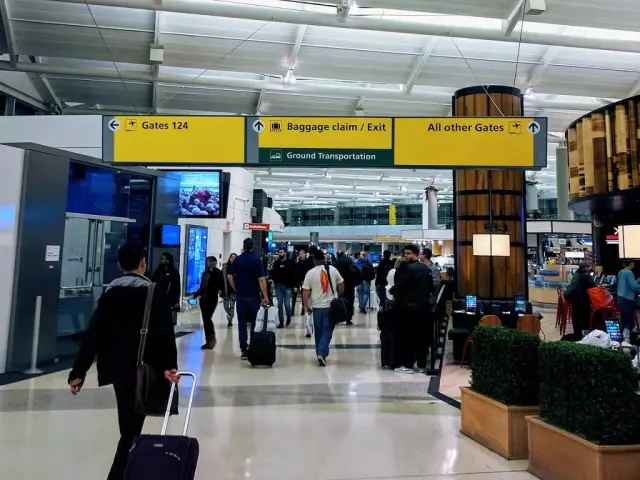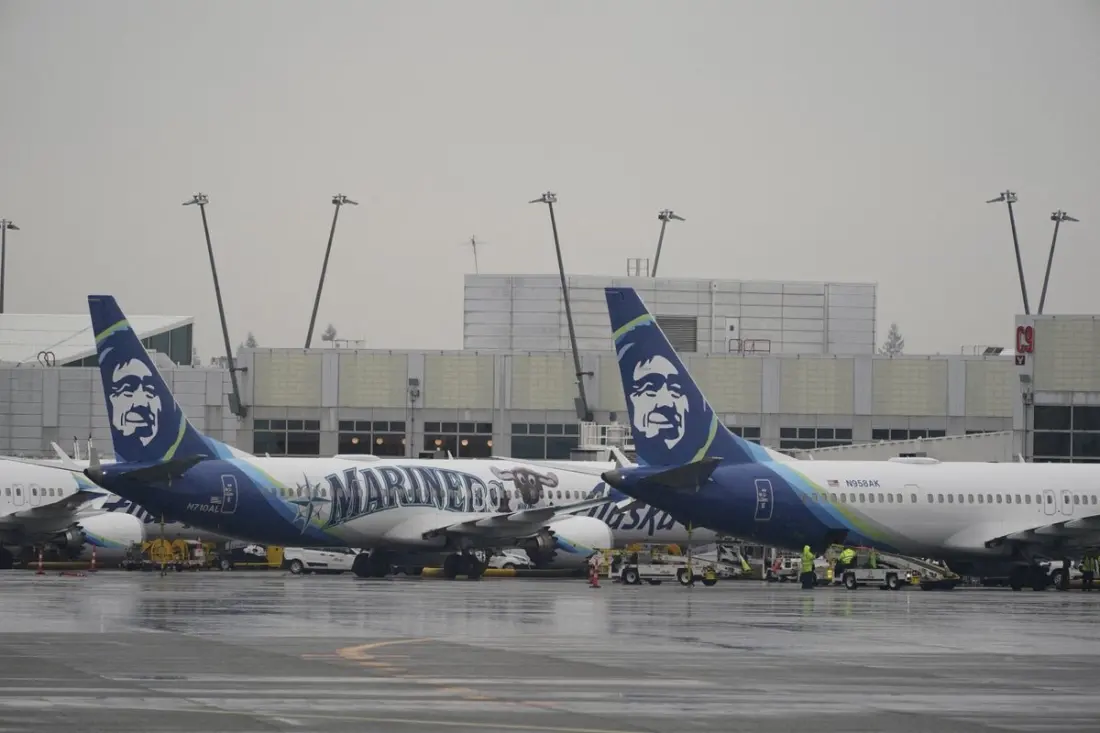
Travellers across the United States faced major disruption on Friday after the Federal Aviation Administration ordered a nationwide ground stop, halting all departing flights. The agency cited 'extraordinary circumstances and safety issues', with Transportation Secretary Sean Duffy explaining that a communication problem had hit every Air Route Traffic Control Center in the country. FAA technicians were investigating, with no timeline given for a fix.
The scale is significant: more than 30,000 flights were scheduled for that Friday alone, according to reporting by The New York Times. Before the nationwide order came down, the FAA had already paused departures in Chicago over air traffic control communication problems. International flights were being assessed case by case, while aircraft already airborne were expected to continue and adjust as needed — veteran pilot and analyst John Nance told ABC News that pilots would simply work to find a working frequency and amend their flight plans where necessary.
This was only the second nationwide ground stop of all departures since the September 11, 2001 attacks. The other came in January 2023, when the FAA paused domestic departures for under two hours due to a technical fault — so a repeat so soon points to a deeper problem with the US air traffic system.
Money is clearly part of the story. Congress approved $12.5 billion last year to overhaul the FAA's ageing communications infrastructure, but on Friday the FAA and the White House went back to Congress asking for a further $30.1 billion to tackle other deficiencies. Governors were also scrambling for information — New York's Kathy Hochul said she had been briefed by the Port Authority and was pressing federal officials for answers.
For anyone flying to, from or within the US, the takeaway is practical rather than alarming: ground stops of this kind are rare, but when a system as centralised as American air traffic control goes down, the effects ripple through every hub at once. If you were booked on a US flight that day, expect delays or cancellations and check directly with your airline for rebooking options. And given that this is the second system-wide failure in under two years, it is worth building some buffer into any tight US itinerary — especially for connections through big control centres like Chicago, New York and Atlanta. Airlines typically rebook affected passengers on the next available service at no extra cost when the disruption originates with the FAA rather than the carrier, so keep your booking reference handy and monitor your airline's app.
The bigger question for travellers is whether the funding request will translate into a genuinely modernised control system. Until it does, an ageing communications network remains the single point of failure on which tens of thousands of daily flights depend.