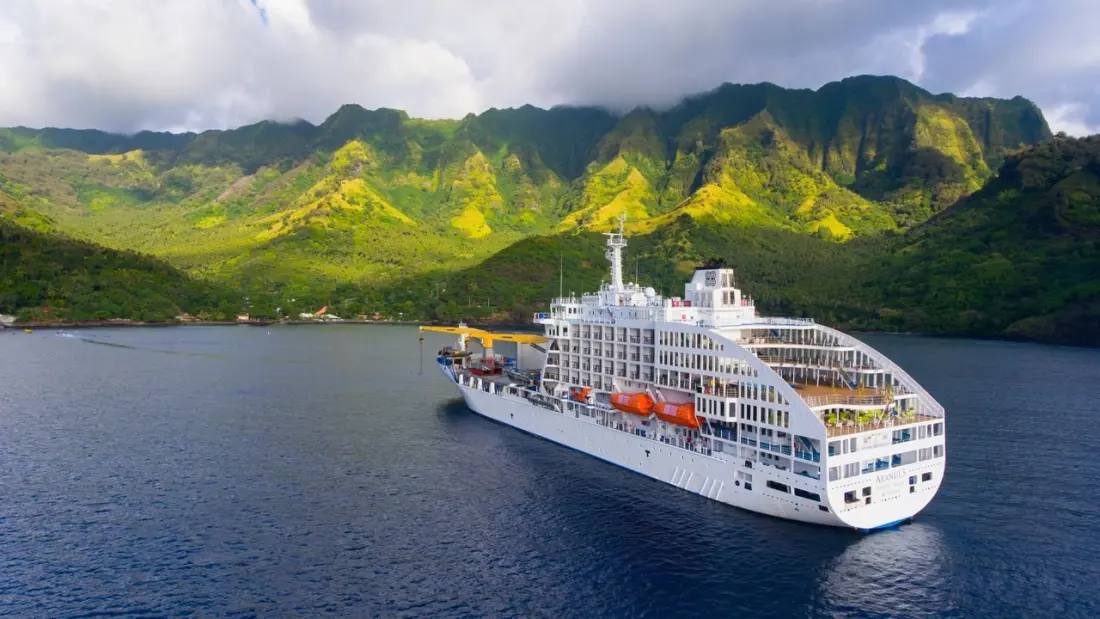
Sailing to the Marquesas Islands usually means one thing: a long voyage with no easy way back. Two of the islands, Fatu Hiva and Tahuata, have no airport at all, which is why the supply line matters. For more than 40 years, locally owned Aranui Cruises has run a ship that carries groceries, building supplies and even racing canoes out from Papeete, Tahiti — and carries passengers along for the ride.
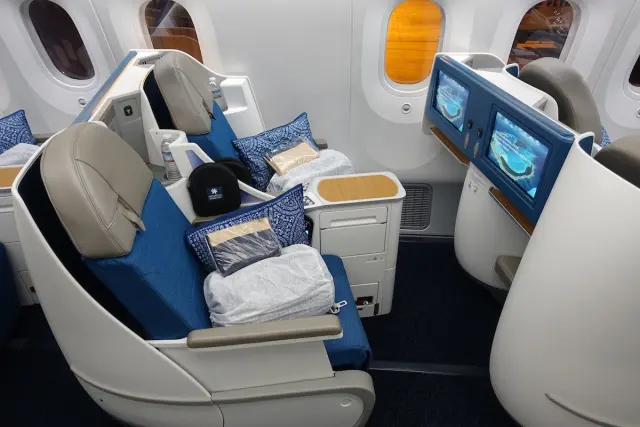
Travel writer for Condé Nast Traveler joined the purpose-built Aranui V in March 2026 for the 12-night, roughly thousand-mile round trip to the Marquesas, and describes the vessel as the 'mullet ship': cargo up front, cruise at the back. Behind the freight decks there's a pool, a bar, and lectures from academics specialising in Marquesan art and culture. When the pallets come off at each island — and get refilled with grapefruits, dried coconut husks and flowers bound for Tahiti — passengers head ashore on excursions.
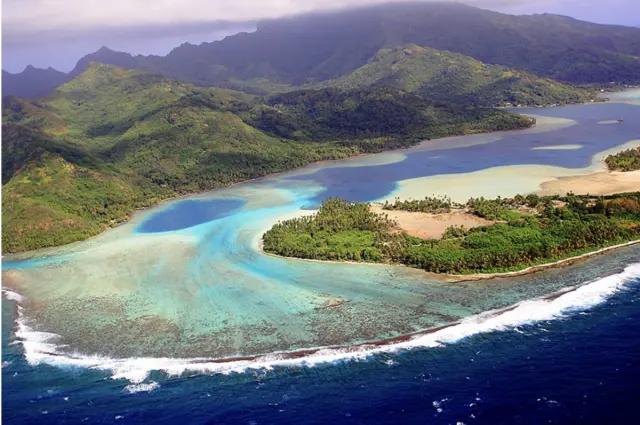
The included tours cover archaeological sites and volcanic peaks, such as a drive across Nuku Hiva, plus hikes on several islands. Optional extras are worth considering: on Fatu Hiva, a paid excursion follows a narrow mountain road between villages with sea-cliff views, ending with a sunset barge ride back to the ship. Because there are no buses on these tiny islands, local residents guide visitors in their own cars — on Ua Huka, that meant a day spent with a mahu driver (a third-gender person, common in Polynesia) who shared baguette sandwiches, chow mein at a botanical garden snack bar, and a buffet piled with coconut milk-roasted goat, poisson cru, steamed taro and magenta mashed banana in sweet condensed coconut milk.
Each island welcome features local musicians and artisans. The Marquesas are known for wood and bone carvers, and on Ua Pou for work in a polished volcanic rock called te ke'a pua, or flower stone, which looks naturally covered in crystalline flowers — carved into fish hooks, birds, whales and taro-smashing pestles.
What really sets Aranui apart from mainstream cruising is the crew. This is a local cargo service that happens to carry tourists, so the entire onboard team is Polynesian, many from the Marquesas themselves. There's no strict divide between passengers and crew: officers and staff join guests in the bar after dinner, and card games break out in unlikely corners of the ship. The tone is informal enough that the ship's French doctor will tape up a broken sandal from his medical bag, and the infirmary door carries a cheerful warning about the laxative effects of local fruit.
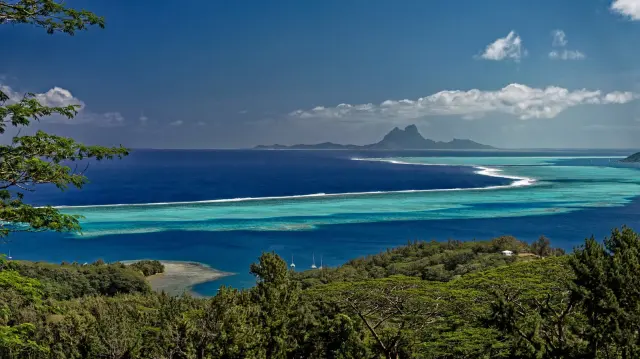
The sailing ends with calls at Rangiroa and Bora Bora, but the Marquesas farewell is the memory that sticks — a prayer of thanks, then armfuls of flowers cast onto the sea to drift ashore. For travellers who find big-ship cruising too polished and want genuine contact with remote island communities, this hybrid voyage is one of the few ways to reach islands most visitors never see.