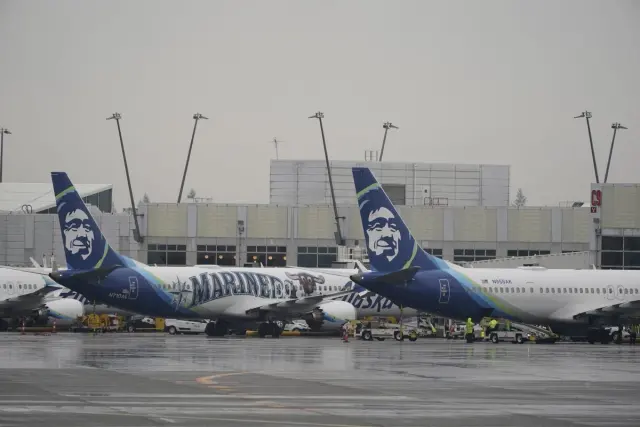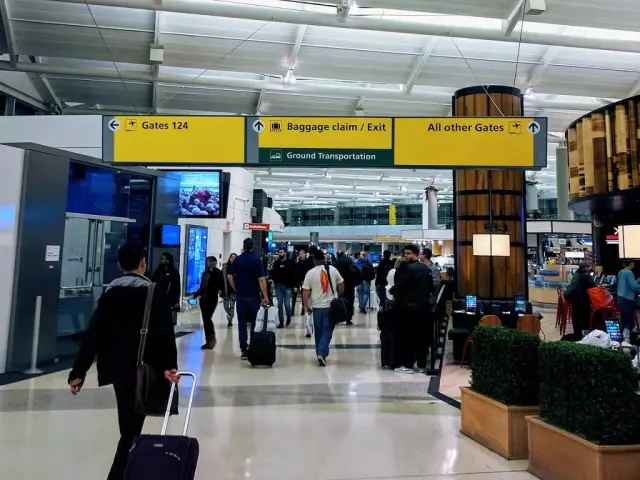
Travellers across the United States are facing mass disruption after the Federal Aviation Administration ordered a nationwide ground stop, holding every departing flight at every US airport while it deals with a communications failure in the air traffic control system.
The order went out at 3:54 p.m. Eastern on Friday, November 13, citing "extraordinary circumstances" for safety. Aircraft already airborne are being allowed to complete their flights and land normally — this is not a 9/11-style order to divert everything — while inbound international flights are being managed case by case. The FAA's status board lists the cause simply as "equipment / outage," with no announced time for departures to resume.
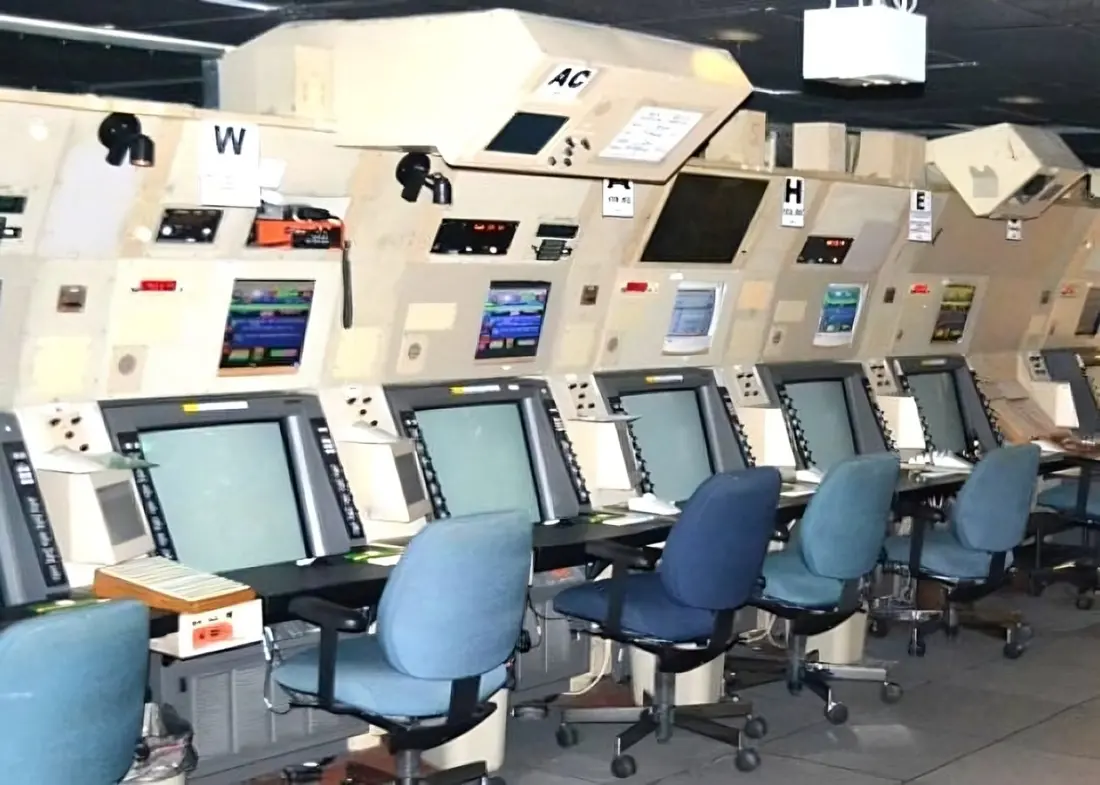
Transportation Secretary Sean Duffy confirmed a communications issue affecting all Air Route Traffic Control Centers, the facilities that manage aircraft between airports. Problems appeared first at Boston, New York and Chicago centers plus New York and Boston Approach, with some New York sectors unable to accept traffic at all. Chicago O'Hare and Midway were ground-stopped before the halt went nationwide. Unverified reports from controller forums suggest backup emergency radio systems on the East Coast may have failed simultaneously, and there are accounts of frequencies and landlines in the Houston area activating on their own. The New York Post, citing an unnamed source, reports a possible software upgrade as the trigger — something the FAA has not confirmed.
If this feels familiar, that's because it is. The only previous nationwide ground stops were on 9/11 and in January 2023, when the pilot notice system (NOTAM) failed after contractors accidentally deleted files during a database sync fix. Earlier this year, an overheated circuit board in a 25-year-old voice switch knocked out five Washington-area airports. The FAA's modernization plan calls for replacing 25,000 analog radios and 800 voice switches, and the administration has just asked Congress for another $30.1 billion in aviation funding, including $10.1 billion for air traffic control modernization.
For travellers, the practical reality is that disruption will outlast the outage itself. Even if the system is fixed quickly, planes and crews will be out of position for days — held aircraft miss their next flights, connecting passengers miss departures, and crews can exceed their permitted duty hours. If you're flying in, out of or within the US this weekend, check your airline's app before heading to the airport, expect knock-on cancellations even after departures resume, and know your rebooking options. Passengers on US domestic itineraries are typically entitled to a refund if the airline cancels and you choose not to travel, so keep documentation of delays and cancellations as they happen.