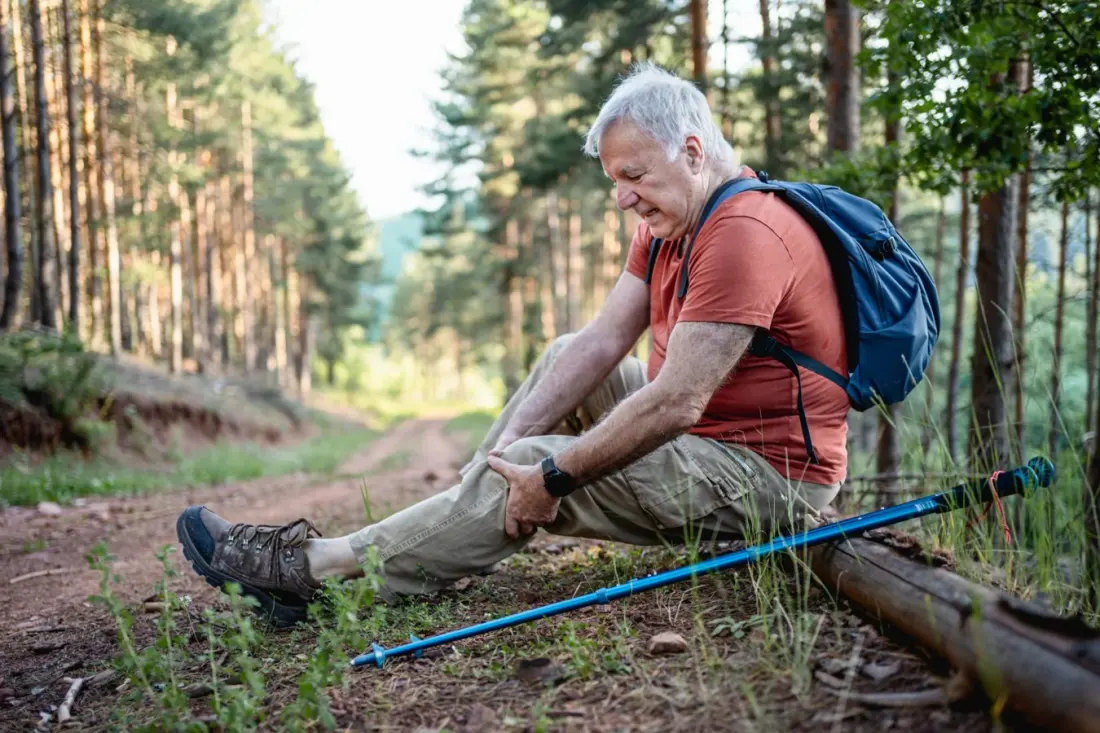
Trail falls send more hikers to hospital than any other mishap. A 2020 study cited by Explore Magazine found that falls account for nearly half of all hiking injuries, and the numbers behind that statistic are striking: annual visits to trails above 2,000 metres worldwide have climbed from 40 million to over 100 million people. The average age of injured hikers in that research was 56 — well above the general hiking population's median of 42 — and older hikers tended to come away with more serious damage.
The writer knows this first-hand. Now in his 60s, he cracked ribs a decade ago tumbling head over heels down a hill while walking his dog — an injury that sidelined him from helping build a summer home in rural Finland during a trip that also included Iceland. A more recent spill got him thinking about the mechanics of falling, and how most of us get it wrong.
The core advice is counterintuitive: don't fight the fall. If you're going forward, crouch and tuck, lower your centre of gravity, and abandon whatever you're holding — trekking poles included. Keep your arms in rather than reaching out; catching yourself with one hand concentrates all your body weight on a single wrist or collarbone, a classic break. On steep slopes where momentum takes over, accept the rolls, stay loose, and go with it — tensing up raises the risk of muscle tears.
Falling backwards while climbing? Turn and drop straight onto your backpack and let it absorb the impact. As the writer puts it: better to break something in your pack than in your body.
Prevention is mostly about habits. Leave swing room when putting on a loaded pack, keep hands free with camera and GPS on straps, unlock your knees on descents, and treat loose gravel, wet boardwalks and selfie stops with respect. He flags the West Coast Trail on Vancouver Island as a case study — its ladders and boardwalks are treacherously slick in any season, and injuries in remote backcountry can mean a long wait for air or marine rescue. Carry provisions and an emergency kit every time.
Why should a holiday hiker care? Because most of us hike on trips where we're fit-ish, carrying a camera, distracted by views, and a long way from quick medical help. Falling well is a learnable skill, and it ages better than almost any other outdoor technique — worth practising before your next mountain trail, whether that's the Alps, Iceland or closer to home.
Story via Explore Magazine Canada