Fish chat more than most of us give them credit for. A new quiz from Dive Magazine asks how much you actually know about the way marine animals send messages underwater — and the answers reveal a world most swimmers and divers float straight past.
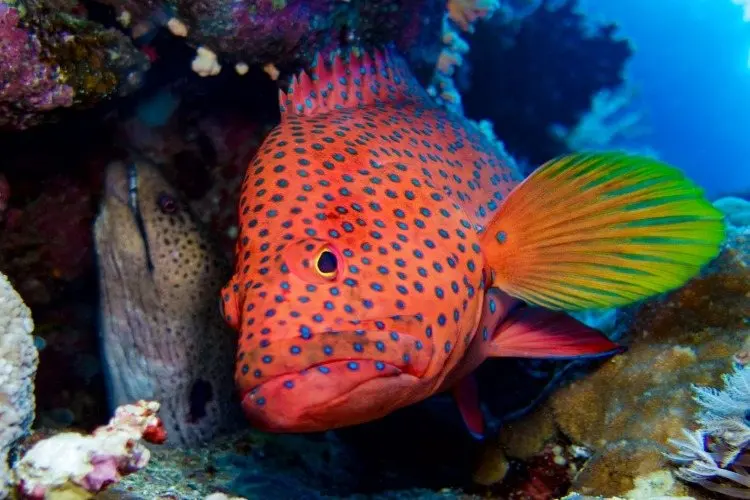
The premise is simple: fish aren't the mute creatures of popular imagination. They produce sound using swim bladders, grinding teeth and muscle vibrations, and some species are genuinely chatty. Groupers grunt, toadfish hum, and damselfish snap and pop to defend their patch of reef. Hydrophones dropped onto a healthy reef at dusk pick up a surprising racket.
Sound is only one channel. Many fish rely on colour shifts, postures and fin displays — think of the dramatic pattern changes when a cuttlefish signals to a rival or a mate. Others use electrical pulses (elephantfish and rays), chemical cues, or even urine. Yes, urine: some research suggests fish release chemical signals in their waste to communicate during fights and courtship. Mantas and other rays, meanwhile, appear to communicate through body language during social groupings that divers sometimes witness at cleaning stations.
Why should a holiday diver care? Because once you know fish communicate visually and acoustically, you dive differently. Move slowly and a territorial damselfish will display to you rather than flee. Stay quiet near a coral head at sunset and you may hear crackles, grunts and pops with your own ears on some reefs. Noise pollution from boat engines also matters: it can mask the sounds fish use to find mates and suitable habitat, which is one more reason marine protected areas are worth seeking out and supporting.
The quiz itself is a one-minute diversion, but it's a useful prompt ahead of a dive trip. If you're booking somewhere reef-focused — Indonesia, the Red Sea, the Caribbean — brushing up on fish behaviour genuinely improves what you get out of each dive. Guides love passengers who can spot a cleaning station or recognise a courtship display, and fish are far more visible when you understand what they're doing.
For divers, snorkellers and even interested beach-goers, this is light, fun and free: a short test of your underwater knowledge with a few genuinely surprising facts. If you score badly, consider it motivation to pay closer attention on your next trip beneath the surface.