Two deals signed at the end of October will shape how the Algarve handles two of its biggest environmental headaches: Faro's recurring flood problem and a mountain of rubbish that's fast running out of places to go.
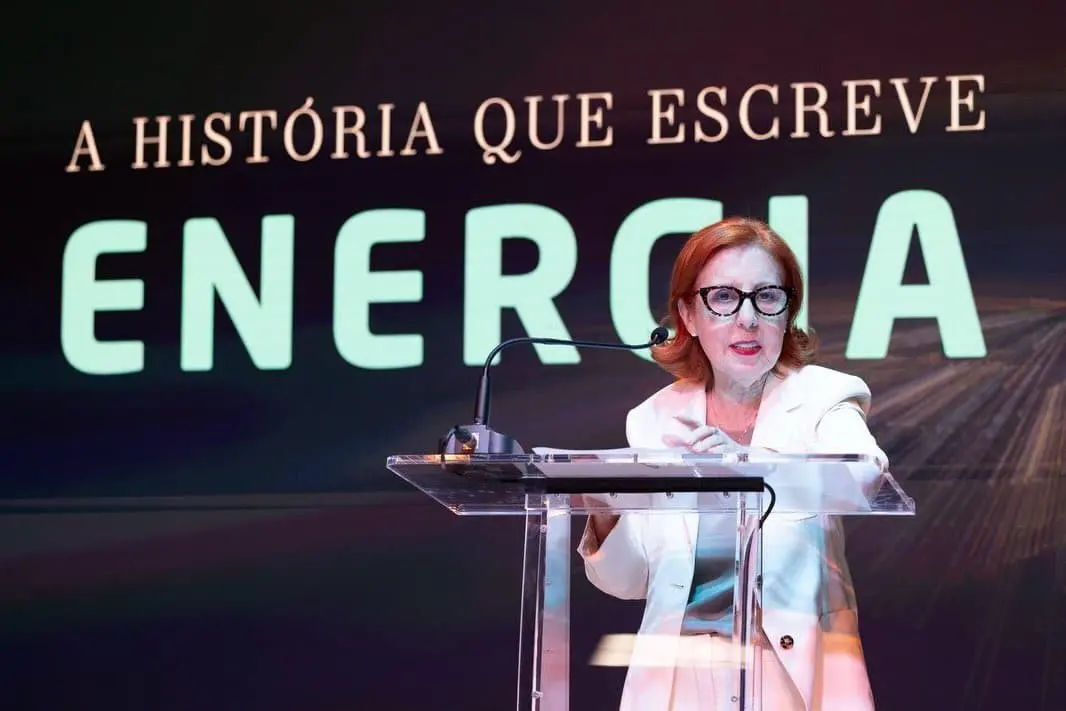
Environment and Energy Minister Maria da Graça Carvalho travelled to the region on Friday, October 30 to formalise both agreements. The first tasks the Portuguese Environment Agency (APA) with helping Faro Council build a flood-prevention plan — working out exactly which engineering works are needed, then applying for EU money through the Sustentável 2030 programme. Faro and Albufeira have been flagged as priority zones as Portugal braces for increasingly extreme weather, and the goal is straightforward: better protection for homes, businesses and residents in one of the region's most flood-prone spots.
The second agreement is bigger and messier. The Algarve produces roughly 436,000 tonnes of urban waste a year, and about 85% of it still ends up buried in landfill. Each inhabitant generates an average of 2.4kg of waste per day — well above the national average of 1.4kg — and tourism is a big reason why. Millions of visitors add to the pile without appearing in the resident population figures, making the Algarve Portugal's worst per-person waste producer.
The maths is getting uncomfortable. The region's two landfills, in Portimão and Loulé, are close to full; earlier this year the minister said one had roughly 18 months of space left and the other about two years, with extensions planned as a stopgap. The new deal pairs the APA with AMAL, the body representing the Algarve's 16 municipalities, plus universities and research institutions, to study treatment technologies, costs, environmental impacts and possible sites. Energy recovery — essentially generating power from residual waste — has been floated as the frontrunner, but no decision has been made.
That's where the controversy sits. Environmental groups including Almargem, ZERO and Quercus want all alternatives properly weighed first, pushing instead for stronger waste reduction, recycling, separation and composting of organic material. The Algarve branch of the CDS-PP has also come out against jumping straight to an incinerator, tabling its own plan built around organic waste treatment.
Why should travellers care? Because both issues touch the holiday experience directly. Faro is the Algarve's gateway city — most visitors pass through its airport, and its old town and waterfront sit on low-lying ground that has flooded before. Long-term flood protection should make the city more resilient and pleasant to visit. And the region's waste problem is a reminder that tourism carries real environmental weight; the choices made now about incineration versus recycling will shape the Algarve's coastline and countryside for decades. Expect the study to take time, but the direction of travel is clear: less landfill, more infrastructure, and a region trying to make mass tourism sustainable rather than just profitable.