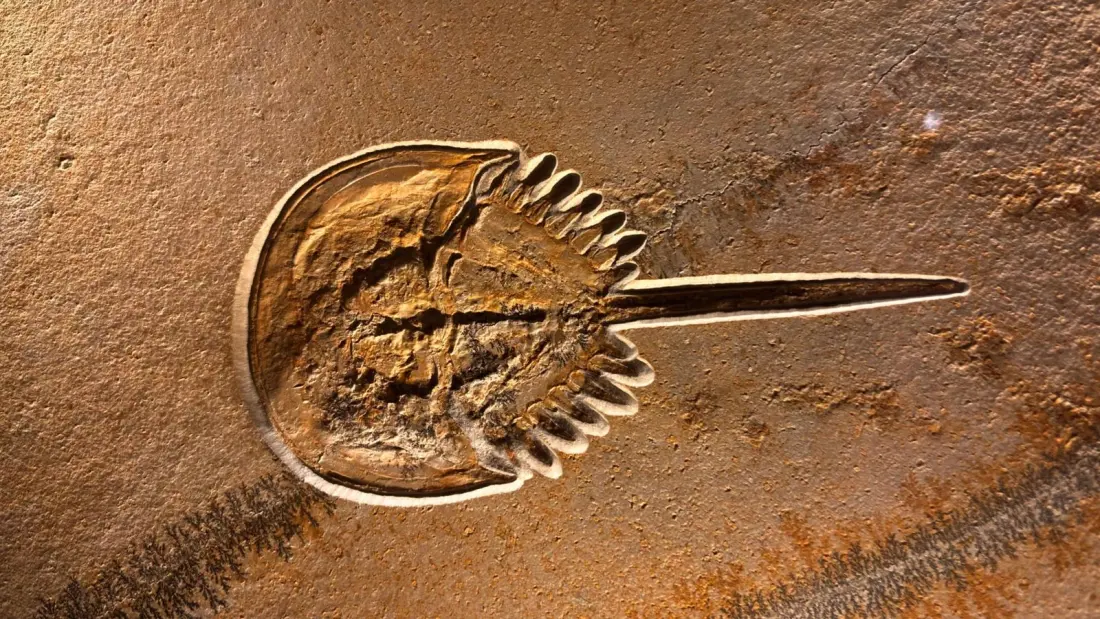
South Africa's rocks hold a 250-million-year story, and a surprising amount of it is open to families. From sabre-toothed cats on the West Coast to the famous Taung Child skull, the country's fossil sites make for road-trip stops that keep children genuinely engaged — and teach them that not everything prehistoric was a dinosaur.
Closest to Cape Town, the West Coast Fossil Park at Langebaanweg preserves remains from about 5.2 million years ago, when short-necked giraffes, ancient bears and sabre-toothed cats roamed a very different coastline. It's roughly 150km north of the city, so it works as a day trip, with guided tours, a museum, and walking and cycling trails on site.
Dinosaur-mad kids get their fix in the Free State at the Kgodumodumo Dinosaur Interpretation Centre in Golden Gate Highlands National Park. It pairs life-sized models and interactive exhibits with Triassic and Jurassic discoveries from the surrounding area — and the sandstone scenery alone justifies the drive.
The Karoo packs in two stops. Karoo National Park near Beaufort West has a 400m paved Fossil Trail lined with genuine fossils and petrified wood — wheelchair-accessible and ideal for younger children or a quick leg-stretch on a long drive. Further along, at Nieu-Bethesda in the Eastern Cape, the Kitching Fossil Exploration Centre covers the Permian Period, around 253 million years ago, when mammal ancestors called therapsids dominated. Guided excursions take visitors to fossil-bearing rocks where a guide teaches you to tell a fossil from an ordinary stone; there's a fossil sandpit for little ones. The town's famous Owl House makes it worth an overnight.
For the human story, head to Gauteng. Maropeng, the official visitor centre of the Cradle of Humankind World Heritage Site about 50km northwest of Johannesburg, uses a boat ride through geological time and hands-on exhibits to cover everything from the Big Bang to human evolution — fossils like Mrs Ples and Little Foot were found nearby. Families with older children can go further with specialist-guided visits to the Greater Cradle Nature Reserve, including Gladysvale and Malapa, where Australopithecus sediba was discovered in 2008; the Malapa Museum displays life-size casts of the skeletons. Advance booking is essential as these are guided experiences, not open excavations.
Rounding out the list is the Taung Skull Fossil Site in North West province, where the 2.8-million-year-old Taung Child was found in a limestone quarry in 1924 — the discovery that placed Africa at the centre of human origins. It's rural and harder to reach than a city museum, so check local access arrangements first.
A few practical tips apply across the board: match the site to your children's ages (interactive centres for little ones, guided digs for teens), bring hats, water and sun protection, and never remove fossils — they're protected by South African law. Check SANParks or each site's website for current hours and fees before setting off.
Whether you build a whole Karoo palaeo road trip or slot one stop into an existing holiday, these sites turn geology into something kids can touch, question and argue about over dinner.
Story via Getaway South Africa.