A virus that scientists thought only infected animals has now shown up in a human — and the case has public health agencies on both sides of the Atlantic paying close attention. In August, France recorded the first documented human infection with the Shamonda virus (SHAV). The patient, who was already being treated for a serious illness and had a severely weakened immune system, later developed neurological symptoms and died in early October. It's still unclear how they caught the virus, and whether it actually caused the death.
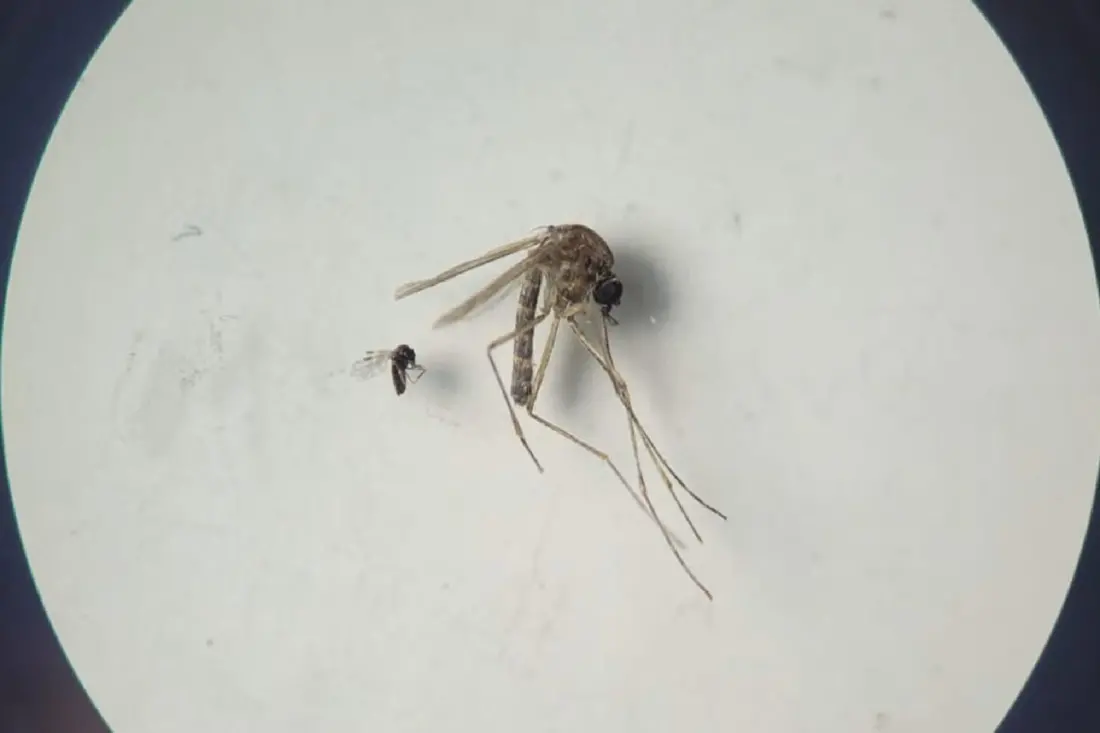
Shamonda has long been known as an animal disease, circulating in cattle, sheep, goats and horses. It spreads between animals through the bites of Culicoides biting midges — tiny insects smaller than mosquitoes. Beyond that, almost nothing is confirmed about how it behaves in people. With exactly one human case on record worldwide, according to the WHO, doctors can't yet define what the illness even looks like.
So could it reach the Americas? That's the question the Pan American Health Organization put to Jairo Mendez Rico, its regional advisor on viral diseases. His answer, in short: probably not anytime soon. There's no evidence the virus is circulating anywhere in the Americas — no human cases, no detections in animals. The risk of introduction is considered very low, though not zero, since emerging insect-borne viruses can sometimes find new routes.
One wrinkle is that Culicoides midges are common across the Americas, and some species matter for public health there. But Mendez Rico draws a clear line: the presence of a possible vector doesn't mean transmission can happen. Local midges would need to be capable of picking up and spreading the virus efficiently, and there's currently no evidence that the species in the Americas can do that. Researchers are still working out exactly which insects transmit Shamonda even in the regions where it exists.
The region isn't starting from scratch, either. Surveillance teams have built strong experience tracking Culicoides during recent responses to the Oropouche virus, another midge-borne infection. PAHO is urging countries to keep integrated monitoring under a "One Health" approach — watching humans, animals and insects together — partly because there's no specific diagnostic protocol yet for Shamonda in the region.
For travellers, the bottom line is reassuring: PAHO says there are no indications Shamonda poses a public health threat in the Americas right now, and the single known case involved someone with a pre-existing condition, so it can't be extrapolated to the general population. There's no travel advisory attached to this, no outbreak, and no reason to change holiday plans. It's a watch-and-learn story for health agencies rather than a warning for visitors — though anyone curious about emerging diseases will want to follow how this unusual case develops.