
Crowds are descending on the Greek islands and the Amalfi Coast at eye-watering prices, while a swathe of southeastern Europe quietly offers mountains, turquoise coves and design-forward cities for a fraction of the cost. The Balkans – specifically Albania, Bosnia, Kosovo, Montenegro, North Macedonia and Serbia – are having a moment, and the smart money says go before everyone else does.
Part of the appeal is practical. These six countries sit outside the Schengen zone, so travellers dodging the EU's new EES entry and exit queues find arrivals refreshingly painless. The region also resists big-box tourism: no sprawling resort complexes, just small hotels, family-run eateries and a genuine push toward ecotourism. Montenegro has had an official Eco Fund since 2020, and eco-retreats like Oblun trade mass tourism for glamping, kayaking and yoga among orange and pomegranate trees.
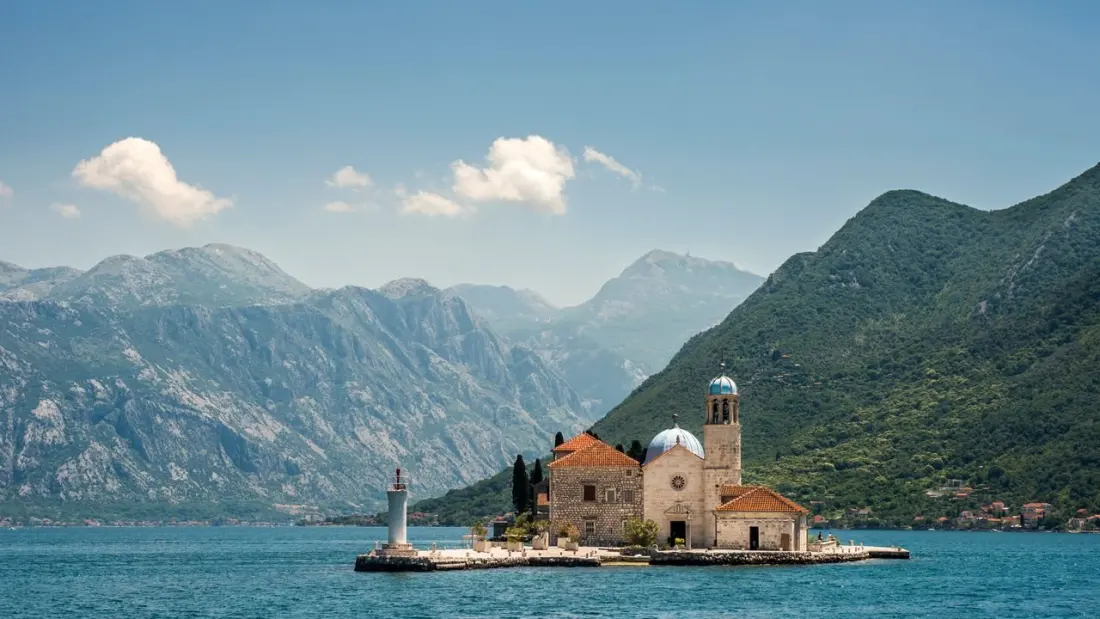
So where to start? Montenegro is the name on everyone's lips – Kotor Bay may be flashy, but the capital Podgorica is drawing design lovers, thanks partly to the late Yugoslav architect Svetlana Kana Radević, whose Hotel Podgorica steps down into the Morača river valley clad in riverbed stone. North Macedonia's Lake Ohrid delivers the region's most photographed view: the 13th-century Church of St John at Kaneo, perched above the water. Divers can explore ancient submerged remains, and the lake's 17 native fish species dominate local menus – think lake trout and clear fish soup.
Albania's coast makes an increasingly obvious case against Greece's rising prices. Hike to Gjipe Beach for wild camping under cliffs, or swim at Mirror Beach, where the water is improbably turquoise. Inland, Tirana is being revitalised with pedestrianised streets and outdoor art, including the newly restored Pyramid cultural centre, while the beach hub of Durrës is on the up with hotels like the seafront Aragosta, serving qofte meatballs and trileçe caramel milk cake.
Bosnia rewards the curious. The countryside is dotted with Spomeniks – the monumental concrete memorials Tito built to partisan fighters – and Kozara National Park has a two-and-a-half-hour forest trail leading to one of the most striking. Add Mostar's celebrated old bridge, a livelier-than-ever Sarajevo and even a small stretch of coast at Neum, and the country covers a lot of ground. Serbia, meanwhile, is gearing up for Expo 2027 in Belgrade (theme: "Play for Humanity"), with a long-awaited metro finally due the same year and a new Mama Shelter hotel in the pipeline. Novi Sad offers Hungarian-flavoured architecture, riverside city beaches and cheap ski options in the nearby mountains.
If you want one active trip, the Peaks of the Balkans is a 124-mile hiking loop linking Kosovo, Albania and Montenegro – widely considered one of Europe's finest walks. Meanwhile Pristina, Kosovo's friendly capital, rewards architecture fans with socialist murals and the wonderfully eccentric 1982 National Library, its design inspired by mosque domes and books.
Wellness travellers, hikers, budget beach-seekers and architecture nerds all have a case for booking now – before the secret spreads any further.