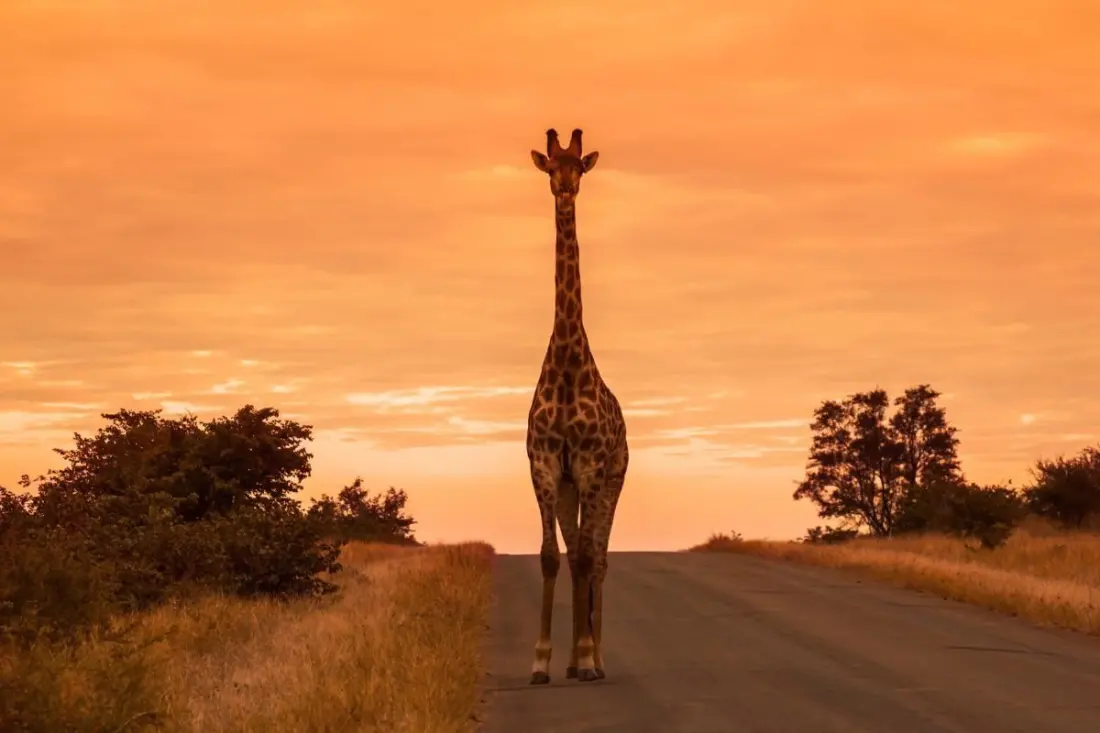
December safaris in South Africa get a mixed reputation. Winter is the classic game-viewing season — sparse bush, animals clustering at waterholes — so summer's green, leafy landscapes are often written off. That's a shame, because the warmer months bring their own rewards: migratory birds arriving in huge numbers, newborn animals everywhere, and parks at their most photogenic after the first rains.
Kruger National Park is the obvious starting point and still delivers year-round. The dry bushveld turns lush once seasonal rains fill the rivers and waterholes, migratory birds arrive from across Africa, and predators stay active regardless of season. The trade-off is thicker vegetation and afternoon thunderstorms, which can make animals harder to find — but that's part of what keeps a summer visit feeling like a real adventure rather than a tick-box exercise.
Near Gqeberha in the Eastern Cape, Addo Elephant National Park is a strong pick for families and self-drivers. Elephants are the headline act, but the park also holds lions, buffalo, leopards and rhinos, plus hundreds of bird species across its varied habitats. Summer heat is the main consideration here; aim your drives at dawn and late afternoon.
Marakele National Park, in Limpopo's Waterberg region, swaps the flat Lowveld for mountains, grasslands and bushveld. It hosts elephants, rhinos, buffalo and antelope, and its bird list tops 270 species — including an impressive Cape vulture colony that's worth the trip on its own.
Mapungubwe National Park, near the Botswana and Zimbabwe borders, mixes wildlife with history. Riverine forests, rocky terrain and the confluence of the Limpopo and Shashe rivers set the scene, with elephants and leopards among the residents. One serious caveat: summer temperatures here can push past 40°C, so plan around the cooler hours.
Finally, Mokala National Park south-west of Kimberley in the Northern Cape suits anyone after a quieter, less conventional safari. Camelthorn trees, open plains and rocky hills shelter black and white rhinos, buffalo, giraffes, and rare roan and sable antelope. Its compact size makes it easy to cover in a short visit, and water is non-negotiable in the summer heat.
Who is a summer safari actually for? Birders, above all — the migratory season between October and March is when South Africa's parks are at their richest. Photographers who want green backdrops rather than dusty ones, and travellers hoping to see young animals, will also love it. The practical formula applies everywhere: early morning and late-afternoon drives, sunscreen, a hat, insect repellent and lots of drinking water packed before you set out.