Lebanon's jewelry tradition runs deeper than most visitors realise. Some of the country's most respected houses have been crafting pieces since the 1800s, and Beirut remains a place where you can buy directly from the ateliers that made them.
The heavyweight names start with Maison Tabbah, founded in 1862 in Zahlé before moving to Beirut — a house famous enough that Nagib Tabbah created pieces for Princess Charlene of Monaco's 2011 royal wedding. The Mouzannar family goes back even further, to the 18th century, with today's designers Alia and Dori Mouzannar blending inherited technique with modern design. George Hakim dates to 1875 and still runs its own Beirut workshop, while Mouawad traces its origins to David Mouawad, who left Lebanon in 1890, trained abroad and opened his first Beirut workshop in 1908 — five generations later, it's an international diamond and watchmaking name.
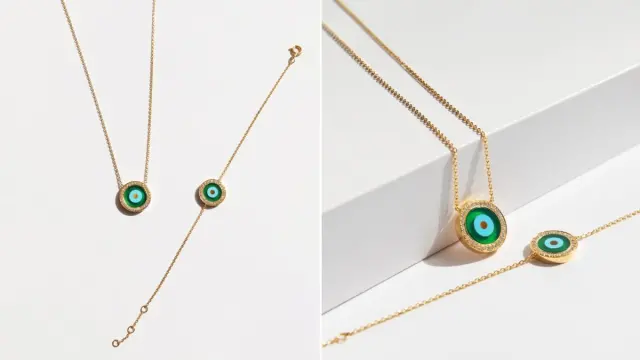
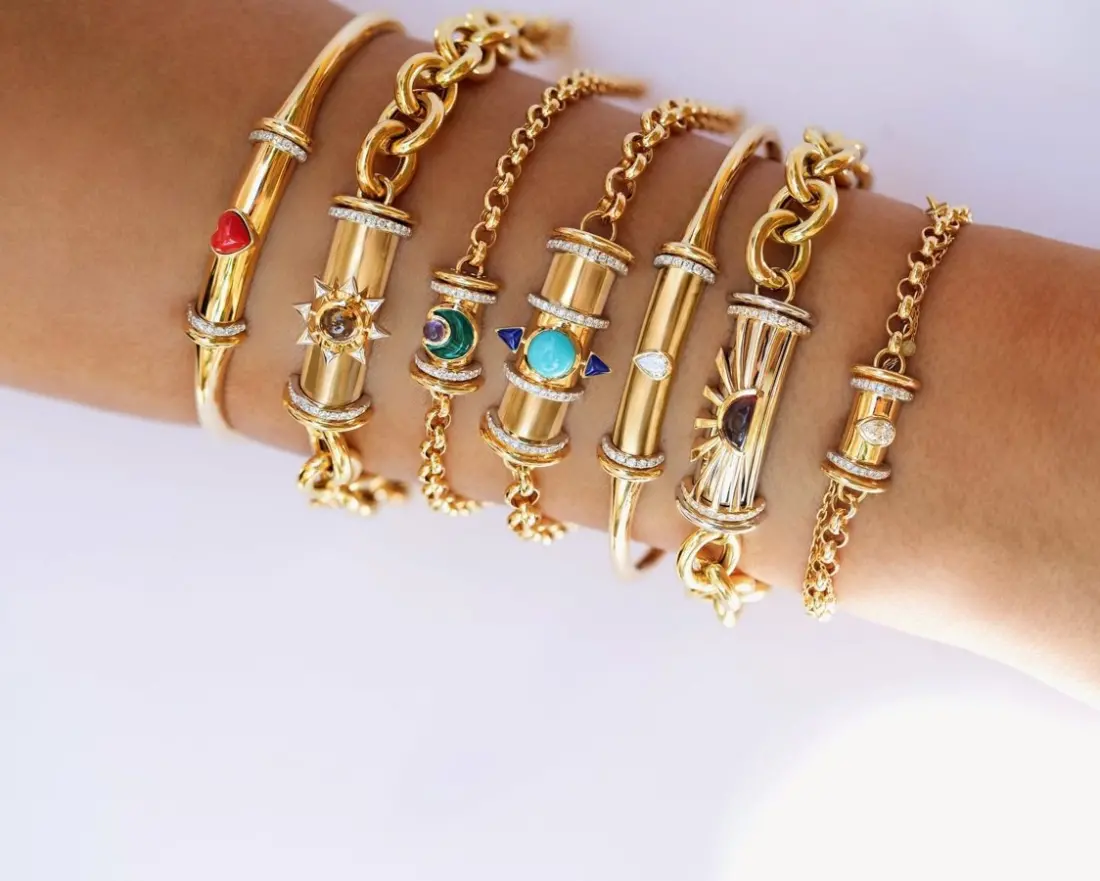
A newer wave balances out the old guard. L'Atelier Nawbar, with roots in 1891, is now led by sisters Dima and Tania Nawbar, whose collections lean on colour and symbolism — hearts, eyes, pomegranates. Selim Mouzannar, who opened his Ashrafieh workshop in 1993, is known for gold paired with coloured stones, and is a separate house from Aziz & Walid Mouzannar. Nada Ghazal makes sculptural 18K gold pieces built around emotion and memory, while Falamank by Tarfa Itani, founded in 2006, handcrafts story-driven collections rooted in regional heritage.
Then there are the independent ateliers shaping Beirut's contemporary scene: Mukhi Sisters (three siblings, one house), Cynthia Raffoul and Jahel Joaillier both offering bespoke work, Joanna Dahdah's playful enamel designs, and Joelle Kharrat, who launched her fine jewelry line only in 2022, working in diamonds, opals, mother of pearl and even natural wood.
Why should a traveller care? Because few cities let you trace a craft across five generations in a single afternoon. Whether you want a serious investment stone from a historic house or a lightweight everyday piece from a young designer, Beirut's jewellery district delivers both — and buying from the maker's own atelier means pieces with real provenance. Just keep the names straight: Maison Tabbah and Randa Tabbah are distinct businesses, as are the two Mouzannar houses and the two Salamoon brands. Credit: Lebanon Traveler