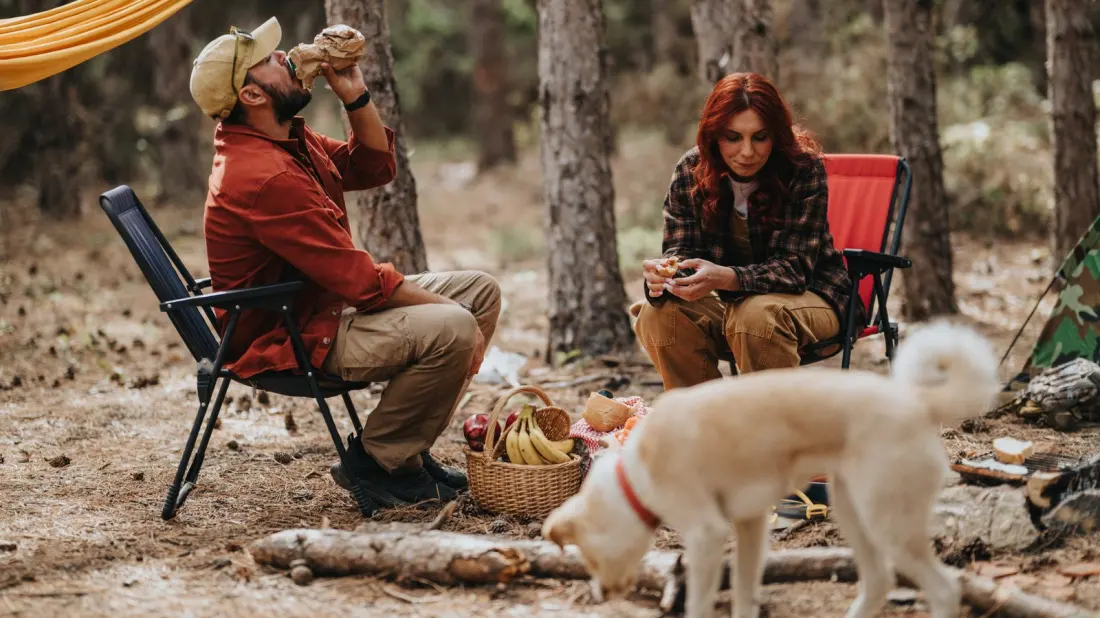
A quiet shift is happening at campsites: instead of pitching canvas, more campers are stringing up a hammock between two trees and calling it a night. The idea sounds adventurous, maybe a little gimmicky, but sleeping a few feet off the ground has real advantages over a tent — and it's catching on.
The comfort argument is stronger than you'd expect. A hammock flexes to your body's natural shape, so there's no waking up sore from a night on frozen, lumpy ground. Rocks, roots and spiky plants simply stop being a problem. Weight and bulk are the other big wins: even the lightest tents are heavier and clumsier than a hammock, which packs down small enough to barely register in a backpack. Setup is faster too — you don't need flat ground at all, just two solid anchor points. Trees are the classic choice, but posts, vehicles or a purpose-built stand all work. One rule worth following: check what's above you before you hang, since dead branches are the genuine hazard here.
Hammocks do have weak spots. You're more exposed to wind and cold without walls around you, and there's nowhere to stash your gear. Both are fixable. An under-quilt adds insulation underneath (the airflow below a hammock is what actually makes you cold), a sleeping pad adds structure if the fabric feels too shapeless, a rainfly handles dodgy weather, and a mosquito net is non-negotiable in buggy areas.
On kit: a basic single-nest hammock can cost under $100, while double-nest systems and upgraded setups cost more. Kammok is widely seen as the original camping hammock brand, with options across price points, and The North Face, Enø Camping and Lawson also make solid hammocks and accessories.
Who is this actually for? Hikers and bikepackers get the most obvious benefit, since every gram counts. Car campers gain trunk space and a faster setup. And anyone who has ever abandoned a trip because the only flat patch of ground was a swamp will appreciate being freed from that constraint entirely. It's a cheap experiment, too — for the price of a mid-range tent you could try hammocking on several trips before deciding whether to commit.
Worth flagging: some campsites and national parks have rules about attaching anything to trees, so check before you go, and practise the hang at home first. A lopsided first-night setup in the dark is how most people get put off.