The famous UNESCO World Heritage List has more than 1,248 inscribed sites, but it's only the tip of the iceberg. First, every candidate must sit on UNESCO's tentative list — currently a pool of 1,875 sites across 181 countries and territories, spanning ancient forts, rock art galleries, rainforests and reefs. There's no set timeline: some sites are nominated within a few years, others wait decades. That limbo status is a quiet opportunity for travellers, because it flags remarkable places that haven't yet drawn the tour buses.
UNESCO's imprint cuts both ways. Inscription brings visibility and a surge of visitors — Macau tourism researcher Jun Wen notes it boosts a site's prestige and perceived reliability — but not every destination is ready. Machu Picchu now caps visitors at 5,600 a day, and residents of Vlkolinec, a pretty 19th-century village in central Slovakia, have reportedly said they'd rather do without the crowds their listing attracted. UNESCO keeps a separate 'in danger' register for 53 sites damaged by overtourism, pollution, conflict or bad development. Which makes the tentative list, arguably, the sweet spot: recognised importance, manageable footfall.
Take the five nominees highlighted by Smithsonian Travel. In County Sligo, Ireland — about 125 miles northwest of Dublin — more than 100 megalithic passage tombs, some 5,000 years old, are scattered across six square miles, linked by underground passages that tie into Celtic myths of Tir Na Nog, the otherworld. Queen Maeve's tomb crowns 1,073-foot Knocknarea mountain, while the tombs at Keshcorran and Carrowkeel are free to visit after a 10-to-20-minute walk, with sweeping views of Sligo farmland.
In far north Queensland, Australia, Cape York Peninsula is a 45,000-square-mile expanse of rainforest, wetlands and savanna, home to barely 17,000 people — over half of them Indigenous Australians — and rock art galleries up to 20,000 years old, especially in Quinkan Country. It joined the tentative list in 2024, a step behind Murujuga in Western Australia, which won full status last year. Travellers can rent a car in Cairns, about 100 miles to the south, or fly to tiny communities like Bamaga at the peninsula's tip.
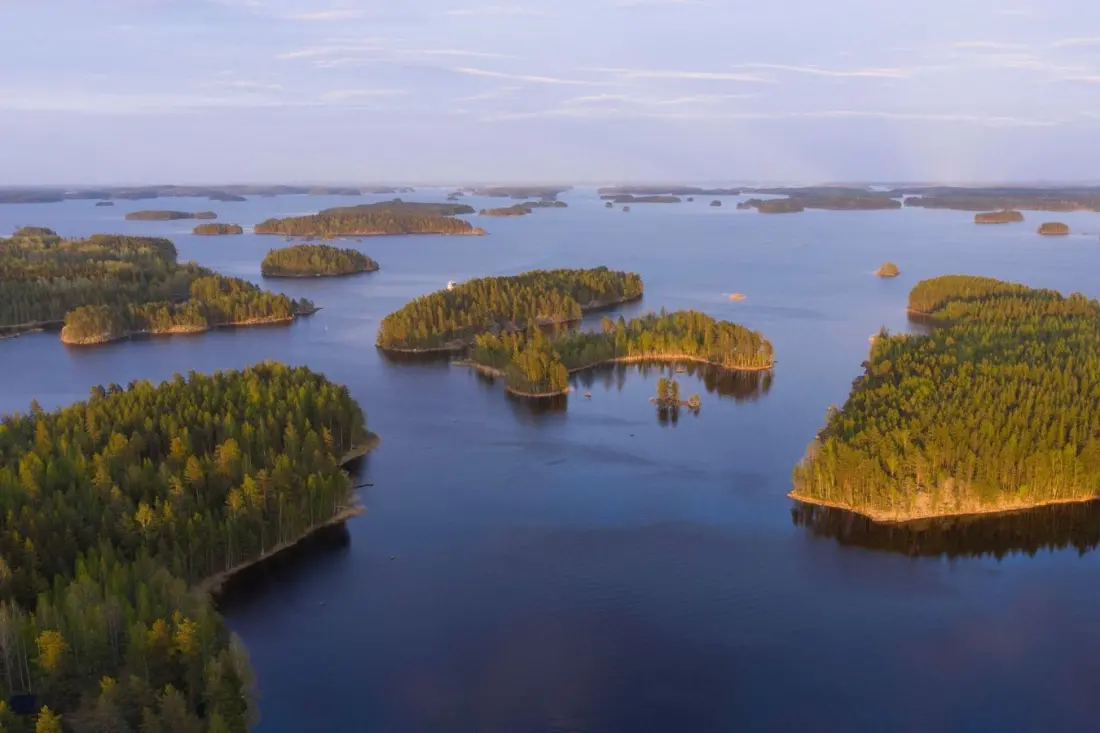
Finland's Lake Saimaa offers a wildlife draw: the Saimaa ringed seal, a landlocked subspecies left isolated from the Baltic some 9,500 years ago. Fewer than 550 remain, all in this 112-mile lake dotted with around 14,000 islands. Boat tours spot them basking in May and June, and the hub town of Savonlinna — reachable in about four hours from Helsinki — has a 15th-century castle to boot.
Closer to cities, Peru's Real Felipe Fortress in Callao, ten miles west of Lima, began as a Spanish stronghold in 1542, was flattened by the 1746 earthquake and tsunami, and rebuilt in the 1770s as a vast pentagonal fort with five bastions and a nearly mile-long outer wall. Spain's regional rule effectively ended here in 1826, and two museums now tell the story.
Most remote of all are the Gcwihaba Caves in Botswana's Kalahari, near the Namibian border: six cave systems over two million years old, tucked into the Aha Hills and barely known until the 1990s.
Go before the certificates arrive — these places won't stay quiet forever.