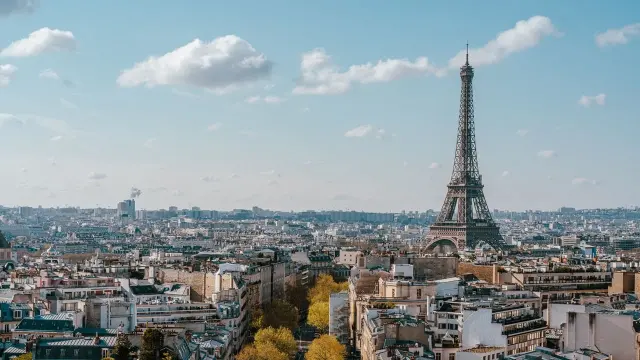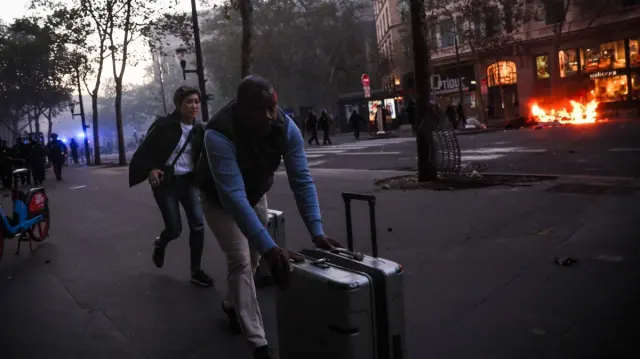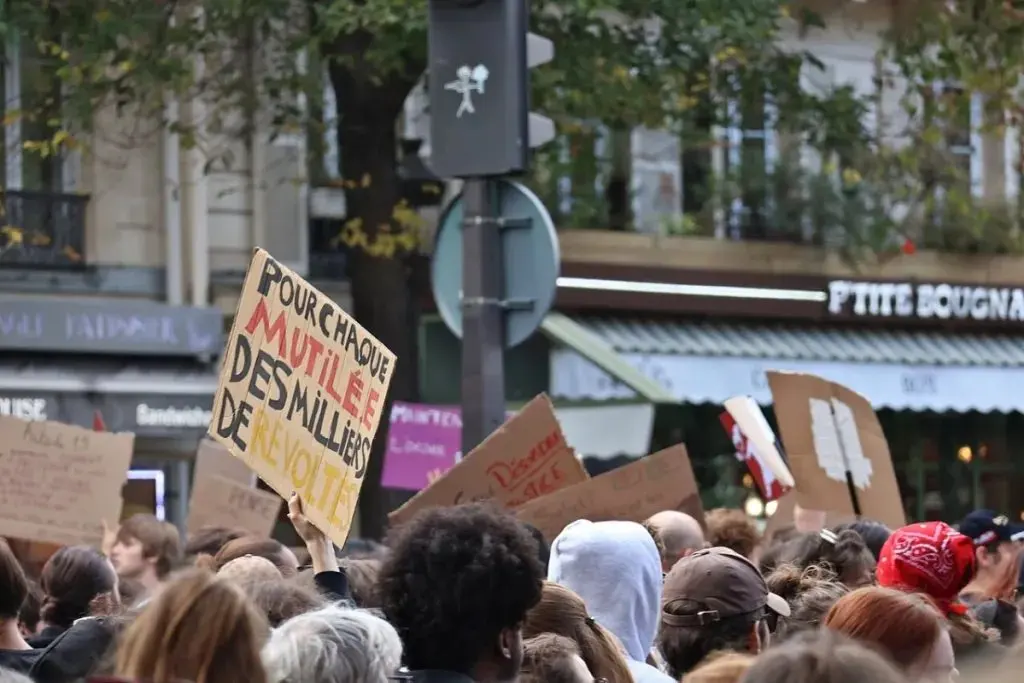
The Louvre has shut its doors and several countries have issued fresh travel advisories as mass protests sweep France — and the unrest is spilling across borders.
Hundreds of thousands of people marched in French cities over the weekend, driven by anger over the cost of living and school conditions. The government says more than 2,000 people have been arrested and over 600 police officers and firefighters injured, with some demonstrations turning violent. Interior Minister Laurent Nuñez confirmed the figures on Sunday.
For visitors, the most visible impact so far is the closure of the Louvre, one of Paris's biggest draws — though it is far from the only thing affected. Demonstrations, road blockages and a heavy security presence can disrupt transport, museum access and city-centre plans at short notice.
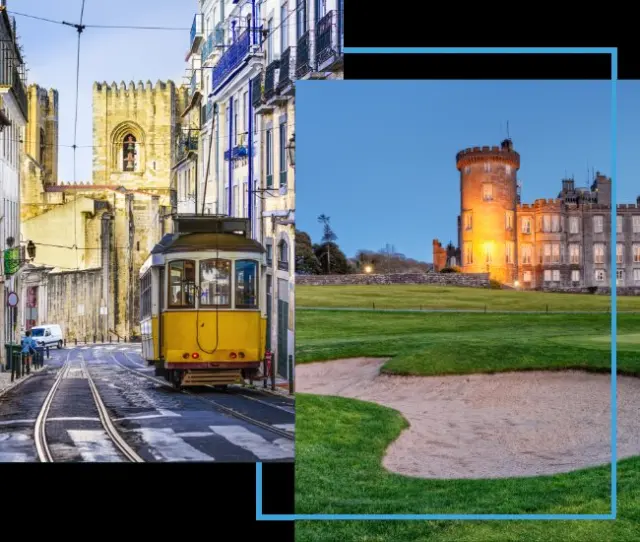
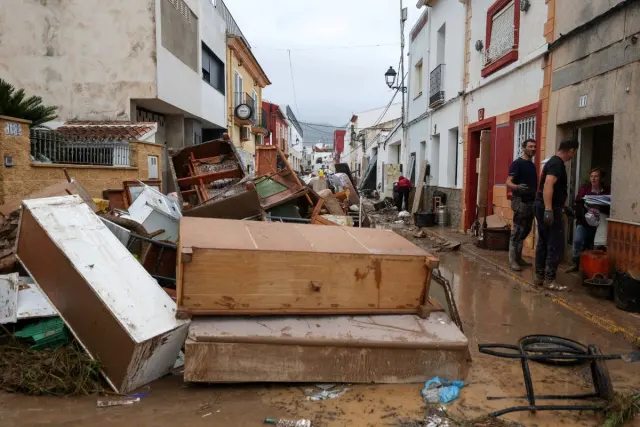
The movement isn't staying within French borders either. Protests have broken out in Portugal, Italy and Belgium, while Spain has seen ongoing demonstrations over housing. Albania has faced continuing protests over corruption and living standards. That means travellers to Western Europe generally — not just Paris — should keep an eye on local news before and during their trip.
More disruption looks likely. Organisers have called further protests in France for October 24 and November 5. President Emmanuel Macron said authorities could ban future demonstrations if necessary, and the government has signalled a firmer line on the streets.
Why it matters: if you have a trip booked to Paris or anywhere else in France this month, there's no need to cancel outright, but flexibility is key. Check opening status for major museums the night before, build extra time into travel days, and steer clear of large crowds — which is standard advice in any protest situation. Travellers in Belgium, Italy, Portugal and Spain should follow the same playbook, since the wave of demonstrations has spread. Anyone heading to France specifically for an attraction like the Louvre should confirm it has reopened before planning their day around it.
The practical takeaway is simple: France remains open for business, but October and early November 2026 require a bit more homework than usual. Keep bookings changeable where possible, monitor official travel advisories from your home country, and have a rainy-day plan for days when central Paris gets clogged with marches.
Skift