France is in the middle of one of its biggest protest waves in years, and anyone with a Paris trip booked is probably wondering whether to press pause. Short answer, based on reporting from a long-time Paris resident: no. The city is open for business — but it pays to plan differently for a few weeks.
What's happening: since September, French high-school students have been demonstrating for better conditions, particularly in suburban areas long overlooked by the state. The movement has snowballed, drawing in other sectors angered by the cost-of-living crisis, rising fuel prices and cuts to social welfare. Most of it is peaceful, though some gatherings have been marred by vandalism and looting — a distinction the reporting stresses. Demonstrations have also occasionally turned destructive in the past, whether after football wins or student marches, so this is a familiar French pattern even if the current scale is unusual.
The practical reality is that disruption is street-by-street, not city-wide. Certain squares and symbolic locations may see demonstrations, police operations or temporary closures, but the rest of Paris carries on. The advice is to come, stay informed, and be ready to shuffle your plans.
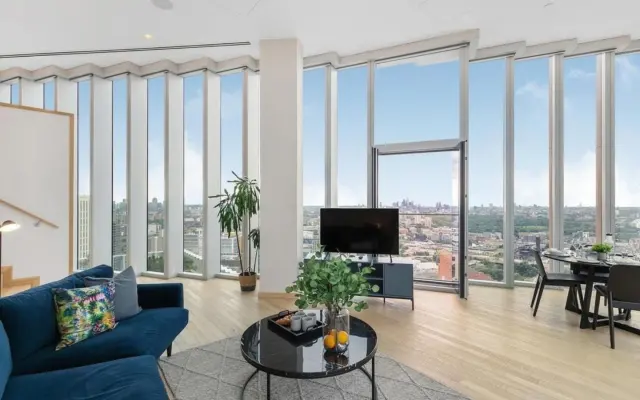
Where to stay: skip the classic protest hotspots. Hotels near République, Bastille, Nation and Place de Clichy sit right where crowds gather, so quieter residential districts are a smarter base. The 15th arrondissement gets a specific nod — it's packed with small boutique hotels and handy for sights like the Musée Bourdelle — while the 14th and 13th on the Left Bank are solid alternatives too.
How to stay informed: authorised marches are announced in advance, but troublemakers don't send a calendar invite. Follow the Préfecture de Police on X for security measures and traffic restrictions, check Bonjour RATP for metro and public transport closures, and keep an eye on Franceinfo and Le Monde — the French-language versions often carry faster local updates than their English editions.
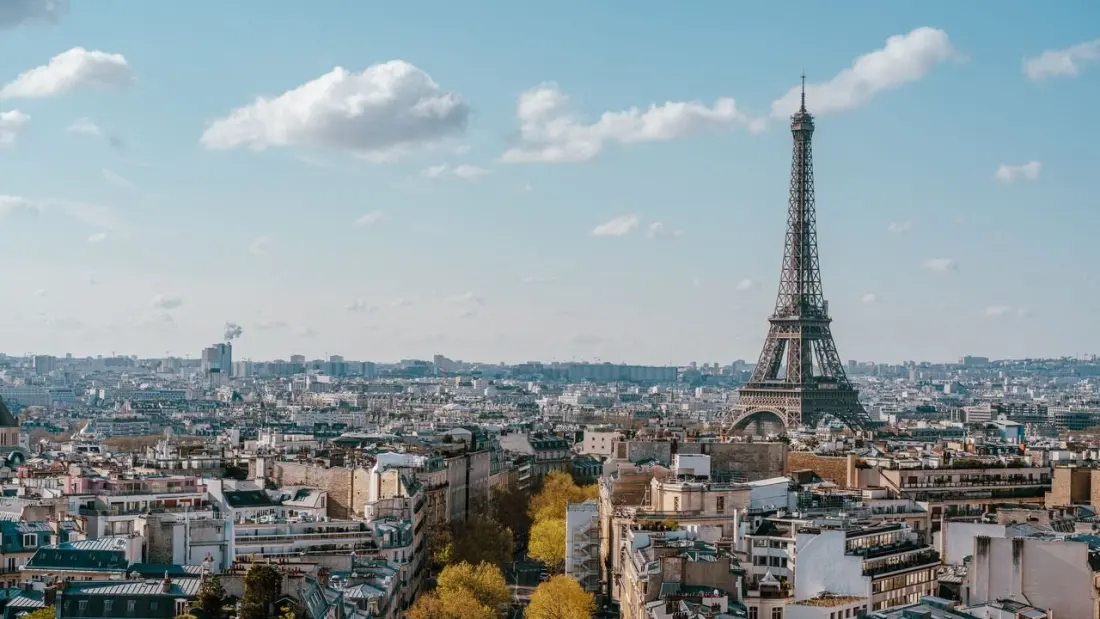
Rethinking the itinerary: big symbolic buildings such as the Louvre and the Élysée Palace are better avoided while marches are live. The upside? Paris has an absurd number of underrated museums to swap in. The Musée Gustave Moreau in the 9th — the symbolist painter's atmospheric former home and studio — or the Musée Zadkine, the sculptor's garden studio in the 6th, make excellent Louvre substitutes. Even the Eiffel Tower area remains open and busy; if crowds feel uncomfortable, Île aux Cygnes in the west offers a view of the tower plus its own miniature Statue of Liberty, from a calmer distance.
Why it matters: a protest wave doesn't have to mean cancelling a trip. It means shifting your hotel choice a few metro stops, bookmarking a couple of official information sources, and trading the biggest-ticket sights for the smaller ones — which, in Paris, are often the more memorable anyway. Flexible travellers will be rewarded; anyone who must tick off the Louvre this week might want to rebook.