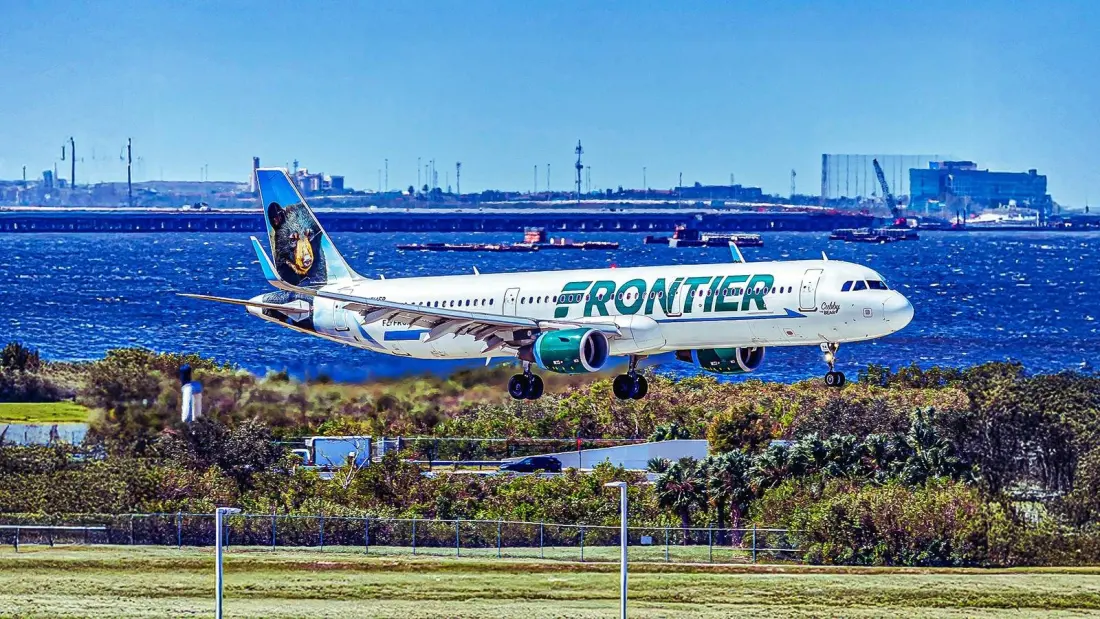
If you've flown Frontier recently and an email lands in your inbox promising a refund for duplicate ticketing, stop before you type anything. The US ultra-low-cost carrier has confirmed an active phishing campaign targeting its customers, and the emails are fooling people who really should know better.
The setup is simple but effective. The messages claim Frontier needs your bank or card details to process a refund tied to a duplicate booking, insisting that "the settlement batch for this reservation has already closed" to create urgency. Worryingly, the emails include genuine confirmation numbers matching the recipient's actual bookings — a strong sign that the airline has suffered a significant data breach, though Frontier hasn't confirmed one. Some recipients have handed over card details; others came uncomfortably close. On Reddit's Frontier forums, one commenter who works in cyber defence called it the most convincing phishing email they'd seen in eight years. Spam filters, several users reported, didn't flag it at all.
Frontier has posted a warning on its website stating clearly that it never emails customers asking for flight, reservation, payment or contact details. If you get one of these messages, don't click links or reply. If you've already entered card details, contact your bank or card issuer immediately. Any legitimate changes to a booking should be made through the Frontier app or website directly.
The fallout is being felt beyond the victims themselves. Message boards are full of cautious travellers locking their cards after merely clicking the link, and hold times are ballooning — one person reported waiting two hours on the phone to their bank and three hours to get through to Frontier. If you think you've been affected, brace for a slow process.
This isn't the first time a major US carrier has been caught in this kind of mess. American Airlines dealt with a breach in July 2022, though that one played out differently: hackers compromised employee email accounts and accessed passenger data — names, addresses and phone numbers, not financial details — affecting what the airline described as a very small number of customers, with no evidence of misuse.
The takeaway for any flyer, not just Frontier's: treat unsolicited emails about refunds, payment issues or booking changes with suspicion, especially when they reference real details from your trip. Data breaches happen, and scammers increasingly have the information to make their messages look authentic. Go directly to the airline's app or website instead of following email links, and never let urgency rush you into typing card numbers into a form you didn't go looking for. Slow travel wisdom applies to your inbox, too.