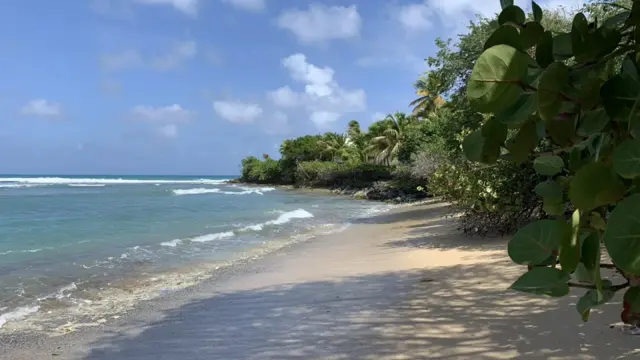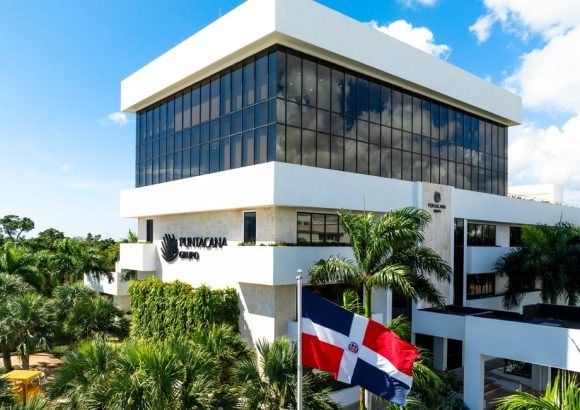
Punta Cana wasn't always a byword for Caribbean beach holidays. On 1 November, Grupo Puntacana marked 57 years since its founding in 1969, when Frank R. Rainieri started developing a remote stretch of the Dominican Republic's eastern coast that was home to roughly 52 families. Today, that same coastline is served by Punta Cana International Airport, which handles over 11 million passengers a year — a scale that makes it one of the busiest gateways in the Caribbean.
The anniversary is a good moment to take stock of what's changing on the ground for travellers. The company is pushing hard into sports and luxury tourism. Its Corales Puntacana Championship is now an official PGA TOUR event, and there's a growing lineup of tennis, padel and polo facilities alongside the golf.
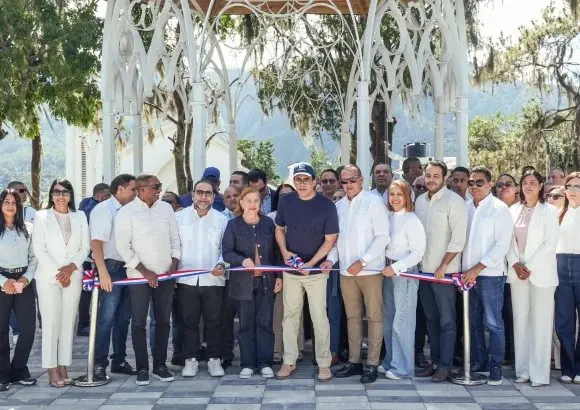
On the hotel front, two big openings are on the calendar: Serena, a Luxury Collection property, is due in 2027, followed by Rosewood Punta Cana in 2029. Culture is getting more attention too — the recently inaugurated Rainieri Cultural Center puts Dominican history and heritage on display, a welcome counterpoint to a region better known for all-inclusive pools than museums.
The environmental and community numbers from the past year are notable, since reef health directly affects the diving and snorkelling visitors come for. The Grupo Puntacana Foundation produced 303,000 corals for reef restoration, ran 900 environmental education visits, and processed 65 tons of organic waste. Its community programmes gave free medical care to more than 1,500 patients, supported over 870 students and awarded 60 scholarships.
Recognition has followed: Grupo Puntacana was ranked the leading tourism company by MERCO 2025, and Rainieri received the WTTC Icon Award 2026 for his role in building the country's tourism industry.
For holidaymakers, the takeaway is simple: Punta Cana keeps adding reasons to go beyond the beach. Golfers get a PGA TOUR-calibre course, luxury travellers have two high-end openings to watch over the next few years, and anyone curious about the Dominican Republic beyond the resort gates has a new cultural centre to explore — all backed by a company that, at least on paper, is putting real money into the reefs and communities that make the destination work.