Few Vietnamese provinces pack as much cultural variety into one place as Lâm Đồng in the country's centre-south. Home to 49 ethnic groups and stretching from the Central Highlands down to the coast, it has spent the past year deliberately reworking its traditional festivals into events travellers can actually join — not just watch from the sidelines.
The headline numbers tell the story. This year's Kate Festival, the Cham community's major annual celebration held each October, drew more than 7,000 visitors to the Po-Sah-Inu Tower complex in Phú Thủy Ward — double last year's attendance. Alongside the sacred rituals, organisers added craft workshops, textile weaving demonstrations and folk music featuring the Saranai trumpet and Ginang drum. The 10th-to-18th-century artefacts at the tower site have become a draw in their own right, keeping visitors coming long after the official programme ends.
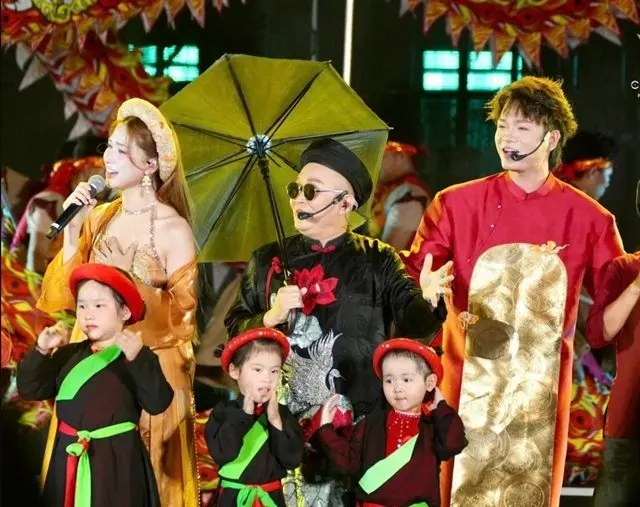
On the coast, the Cầu Ngư (Whale Worshiping) Festival — once a tradition known mainly to local fishing families — was staged for outsiders with a lantern floating ceremony, more than 300 exhibition stalls, and performances of bai choi chanting, hat boi singing and folk games. organisers see it as both a spiritual event and a living record of Vietnam's maritime history. September brought a provincial-scale Mid-Autumn Festival, where 27 giant lanterns and over 2,160 hand-held ones from 19 localities paraded through the streets.
There's a preservation story behind the expansion, too. State-backed restoration has revived the Po Nit, Po Klaong Manai and Po Dam temples, and the Chăm Cultural Exhibition Centre now displays more than 1,500 artefacts. The Po Nit temple complex has even been digitised on dulichbacbinh.vn, so you can preview sacred sites before you travel.
Local tourism officials are the first to admit there's work to do. The main gap is international awareness: experts want festival calendars published well ahead of time so tour operators can build itineraries, and they're pushing for hands-on products that pair relic site visits with folk arts, regional cooking and craft workshops. The provincial culture department is also funding folk tradition teaching and craft preservation, tying heritage protection directly to tourism income for local communities.
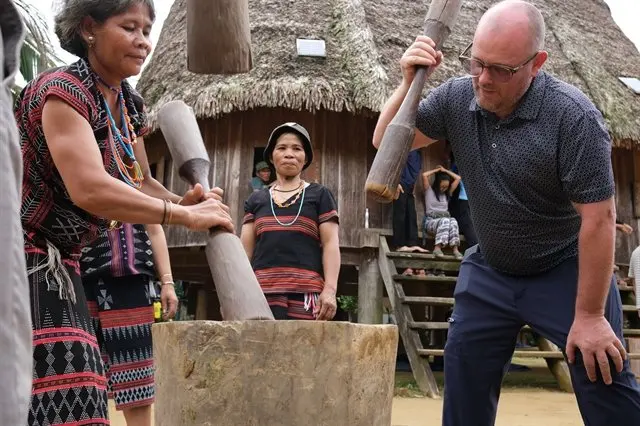
Why should this be on your radar? Because it's a rare moment when a destination is investing in authenticity before mass tourism arrives. Visiting Lâm Đồng's festivals now means experiencing Cham rituals, highland and coastal traditions in settings that still feel local — and your visit directly supports the communities keeping these practices alive. If you're the kind of traveller who'd rather drum and weave than queue, time a trip around a published festival date and you'll see a side of Vietnam most itineraries skip.