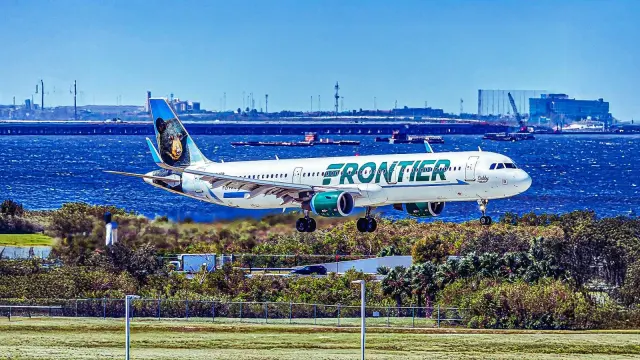
Imagine an email that knows your flight dates, your confirmation code, even how much you paid — then asks for your credit card to 'process a refund'. That's the phishing campaign Frontier Airlines has now confirmed, and it's catching real passengers out because the details in these messages are genuine.
The scam comes in two flavours. One version claims a ticketing error duplicated taxes and fees or failed to apply a promo credit, promising a refund if you confirm the original payment card. It even offers a technical-sounding excuse about a 'closed settlement batch' requiring re-verification — which security watchers point out is nonsense dressed up as payment jargon. The other version warns that payment for an upcoming booking never went through and asks you to complete the purchase. In online forums, including a discussion among Frontier GoWild! pass holders, travellers report that confirmation codes matched actual bookings — both past and future trips. Some people have handed over card details; one says the fake site only accepted the card originally used to book, and several tried multiple cards before giving up (which doesn't mean the rejected numbers weren't captured).
So where did scammers get real reservation data? Frontier disclosed an October security incident involving its customer care database and, earlier this year, a smaller breach affecting about 11,500 people. Security firm VenariX analysed leaked samples from a group claiming Frontier as a victim and found booking codes, flight numbers and dates, plus signs of overly broad access on the airline's customer service portals. Worryingly, a confirmation number plus surname can be enough to view and change a booking.
This playbook isn't unique to airlines. Hotel guests have been targeted the same way — messages that cite the correct property, dates and name to demand card verification — and Norwegian Cruise Line passengers reported a similar wave in October, prompting the company to issue its own warning.
The takeaway for any traveller: an email that knows your itinerary isn't automatically legitimate. Frontier says it will never ask you to re-enter card details, reconfirm a booking, or supply payment information to receive a refund. If a message rattles you, open the airline's app or type its website address yourself and check the trip there — never through links in the email. If you did enter card details, call the issuer immediately and replace the card, including any cards the page appeared to reject, and assume that web forms can log what you typed even if you abandoned the page. If you reused a password anywhere, change it. And after any scare, check that your booking's contact details haven't been tampered with, since a confirmation code and last name can give a fraudster access to changes and cancellations.
Who needs to care: basically anyone who flies budget airlines, books hotels, or takes cruises — which is to say, everyone. The same scam template is being recycled across travel brands, and the tell is always the same: a request for payment or card details tied to a booking you didn't initiate. Real refunds don't require you to 'confirm' anything.
Credit: View from the Wing