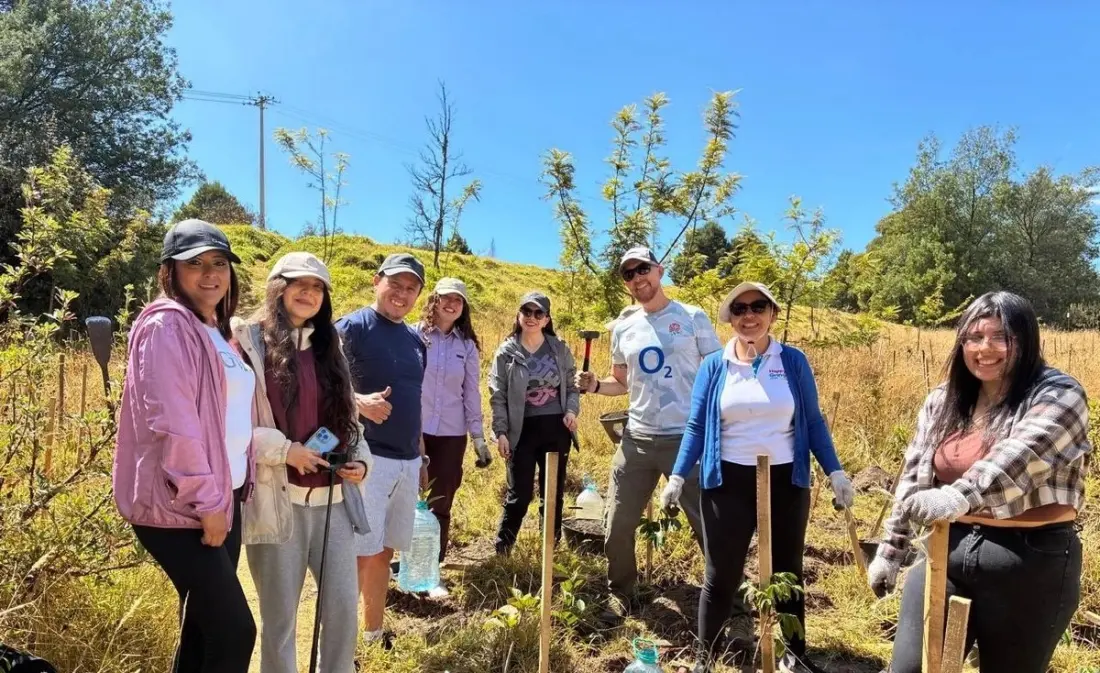
A new patch of native trees in Quito's Parque Metropolitano now comes with a digital paper trail. Happy Gringo Travel, a tour operator specialising in Ecuador and the Galapagos, finished planting the trees in late September 2026 alongside a local foundation, tagging each one with a QR code linked to an app that tracks growth, environmental conditions and — crucially — whether the saplings actually survive.
That last part matters. Tree-planting schemes are easy to announce and easy to inflate; a QR-tagged, app-monitored record makes the follow-through verifiable. The company says lessons from the Quito project will feed into future reforestation work elsewhere in Ecuador.
The planting is the visible piece of a longer internal overhaul. In July 2026, B Lab certified Happy Gringo Travel as a B Corporation, with a B Impact Score of 89.1 recorded in B Lab's public directory. The B Corp process scores companies on governance, workers, community and environmental impact rather than profit alone, and the operator's leadership says it reshaped how the business runs day to day — from recycling and carbon footprint measurement to decision-making and staff communication.
As an Ecuadorian-registered company, it also puts money where its staff are: mandatory 15 percent profit-sharing and enrolment in the national social security system, plus local tax compliance. Its Responsible Travel Promise spells out the broader commitments.
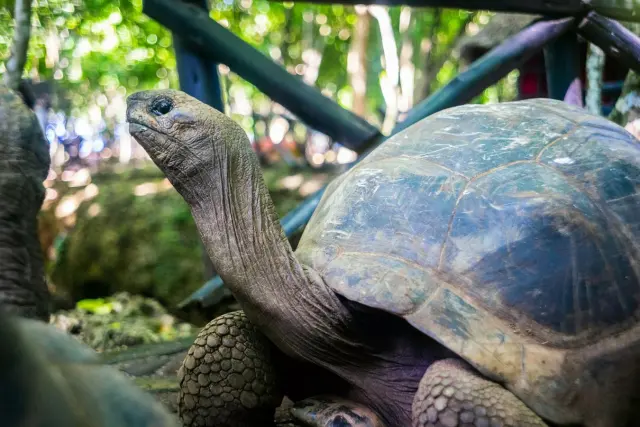
For travellers, the practical upshot is straightforward. Happy Gringo runs guided land tours and small-ship cruises across mainland Ecuador and the Galapagos Islands, so anyone booking a Galapagos itinerary with them is now travelling with an operator that can point to measurable, monitored local projects rather than vague green claims. General manager Eva Merkx and president John Potts both frame the shift as a question of helping visitors understand the impact of their own trips — a conversation more Galapagos-bound travellers should be having with any operator they choose, whichever company it is.
Tourism in Ecuador's most fragile ecosystems has long needed exactly this kind of accountability. A tree you can scan is a small thing, but it's a more honest promise than a brochure full of adjectives. The original report appeared on Adventure Travel News.