
A column in Daily Sabah by academic İhsan Aktaş argues that the Gaza war has opened a second front — not military or diplomatic, but cultural — and traces two years of artists, filmmakers and musicians putting Palestine at the centre of global cultural life.
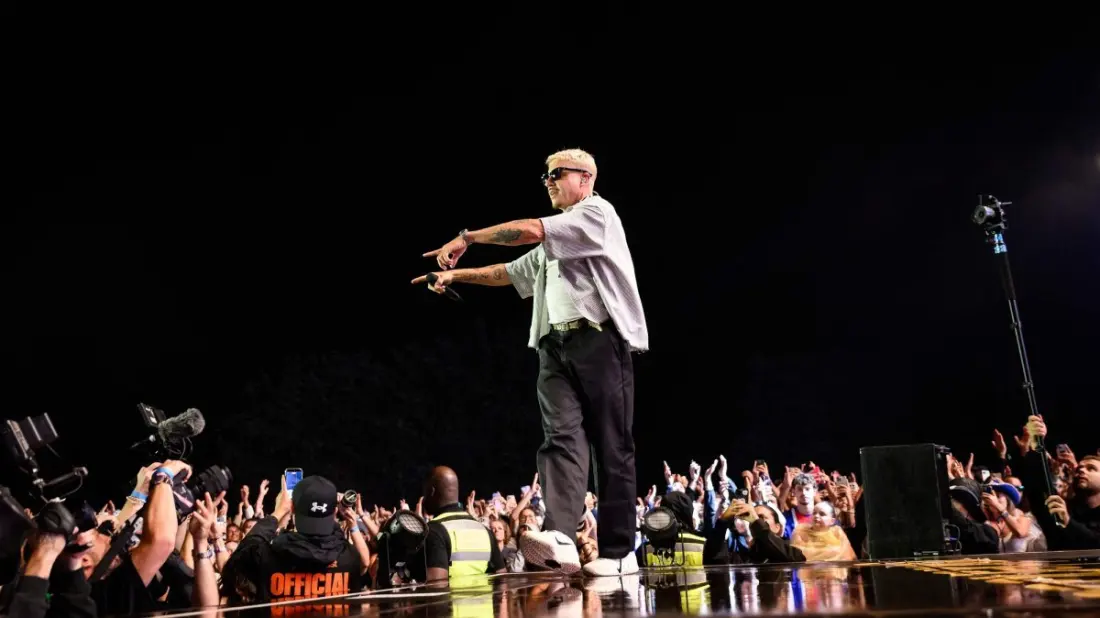
The examples pile up quickly. Macklemore's 2024 track "Hind's Hall" backed the pro-Palestinian student protests at Columbia University and channelled its earnings to UNRWA. That same year saw collective music projects including a 55-track release and "Musicians for a Free Palestine", which brought together more than 70 artists, with proceeds going to Gaza. Palestinian filmmakers including Elia Suleiman, Hany Abu-Assad and Farah Nabulsi published an open letter demanding the right to tell their own stories in Western cinema.
Film festivals became the most visible stage. At Cannes in 2025, an open letter signed by 380 figures — among them Pedro Almodóvar, Mark Ruffalo, Javier Bardem and Brian Cox — attacked the industry's silence on Gaza. Venice saw protests throughout the festival, with directors such as Yorgos Lanthimos displaying Palestinian symbols. More than 1,300 artists, including Olivia Colman, Tilda Swinton, Riz Ahmed and Ayo Edebiri, later signed a pledge not to work with Israeli film institutions.
Türkiye features heavily in the column. Istanbul hosted hundreds of related events, including a month-long "On Record" programme at the Rami Library — photographs from Gaza, cartoons, panels and testimonies, with visiting figures from writer Kenize Murat to government ministers recording one-minute messages. Al-Jazeera's documentary on Shifa Hospital was launched at the Lütfi Kırdar Congress Center in Istanbul with a panel discussion. The column also highlights "No Other Land", the documentary by two Israeli directors in which IDF officers describe building demolitions and civilian deaths — a film that prompted Israel's prime minister to effectively label its makers traitors.
Why does any of this matter to a traveller? Because the political mood you encounter on the road is increasingly shaped in galleries, cinemas and concert venues, not just parliaments. Visitors to Istanbul in particular will find the Palestinian issue woven into public exhibitions, panel discussions and library programming — a visible part of the city's cultural calendar. And anyone attending major festivals such as Cannes or Venice should expect red carpets to be political spaces now, with statements, symbolism and occasional protests part of the event itself.
The column's closing question is broader than travel, but it's the heart of the story: how will history judge what artists said during this period — and what they chose not to say? Whether you agree with Aktaş's framing or not, his account documents a genuine shift: a war once confined to news bulletins and negotiating tables is now argued over in song lyrics, festival letters and documentary premieres. For culturally curious travellers, that means the places you visit — a library in Istanbul, a festival in the south of France — may carry more political weight than you expect.
Daily Sabah Travel