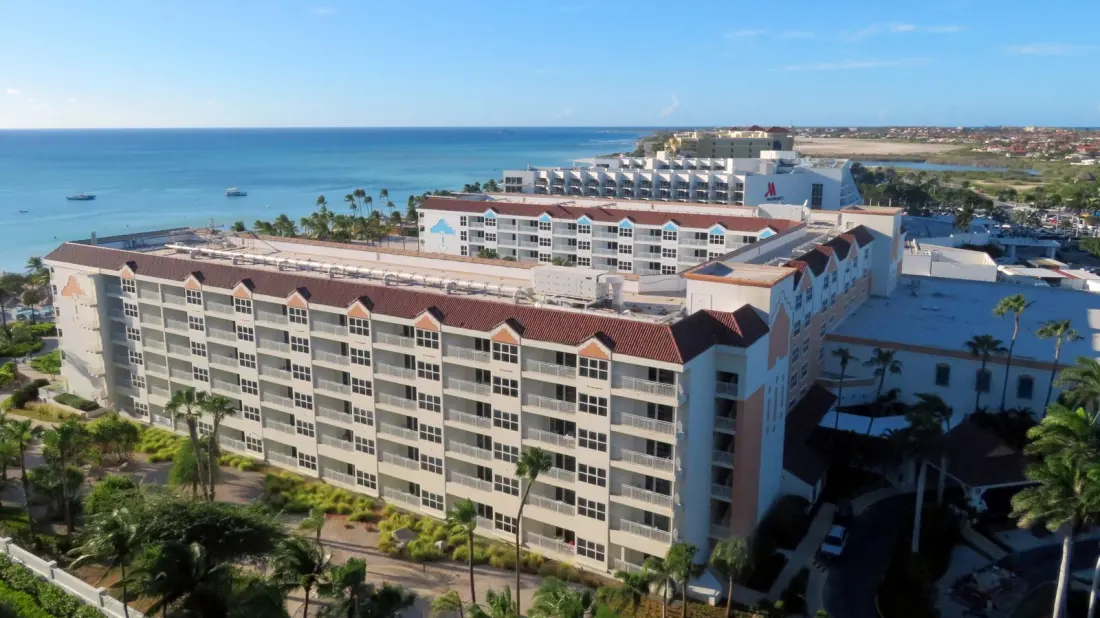
The timeshare was long a running joke: the dreaded sales pitch, the locked-in week, the fees forever. But the latest numbers from the American Resort Development Association's 2026 United States Owners Report tell a different story. Millennials and Gen Z now hold 58% of all US timeshares and account for a whopping 76% of recent purchases. Gen Z owners are the most enthusiastic of all — 92% describe their ownership experience as positive, and 94% say they'd buy again.
So what changed? The product itself. Timeshares began in 1960s Europe and landed in the US the following decade, originally as a big lump sum (plus maintenance fees) buying you fixed days in one specific condo or room. Today's versions increasingly run on points. Club Wyndham's tiered system gives owners a "home resort" plus access to the wider portfolio, and Marriott Vacation Club points can be spent at resorts worldwide. That flexibility suits younger travellers who prefer several short trips a year over one annual pilgrimage to the same beach.
Amenities seal the deal. Food and drink, resort pools, yoga classes, hula lessons in Hawai'i, sport fishing in Los Cabos — bundled experiences that appeal to a generation that says it travels to decompress from burnout. McKinsey research backs up the appetite: millennials and Gen Z took roughly five trips in 2023 and put nearly a third of their income toward travel.
Before you sign anything, though, the numbers deserve a hard look. Up-front costs average around $23,940, with annual maintenance fees of $1,000 or more that never go away — a real issue if your income dips, and one reason some older owners on fixed pensions walk away. And despite what some younger buyers hope, a timeshare is not a substitute for the housing ladder. Resale values tend to depreciate, so recouping what you paid is difficult. Nine in ten adults under 40 tell Pew Research that buying a home is harder than it was for their parents, but a timeshare won't fix that. Exceptions exist — Disney Vacation Club gets a pass thanks to the parks' endless demand — but they're rare.
What younger buyers do have on their side is usage. In 2023, 80% of timeshare owners took a vacation; two years later that hit 94%. Compare that to the dusty gym membership, and the maths starts looking less foolish. As one owner put it to USA Today, it comes down to priorities: memories on the road are worth cutting back elsewhere.
The upshot for travellers: the timeshare isn't dead, it's been redesigned. If you take several resort trips a year and value predictable accommodation and included activities, the points-based model might genuinely fit — just go in knowing it's a lifestyle purchase, not an investment, and budget for those fees long-term. And yes, the free-ticket timeshare presentation still exists if you're brave enough to sit through one.
Report via Explore.com.