Power cuts in Mexico are rarely a holiday problem — but they're a fact of life for anyone settling there. Mexico's electricity grid has improved a lot in recent years, yet localised outages still happen regularly, and knowing how they work is useful whether you're renting a villa for a month or planning a retirement south of the border.
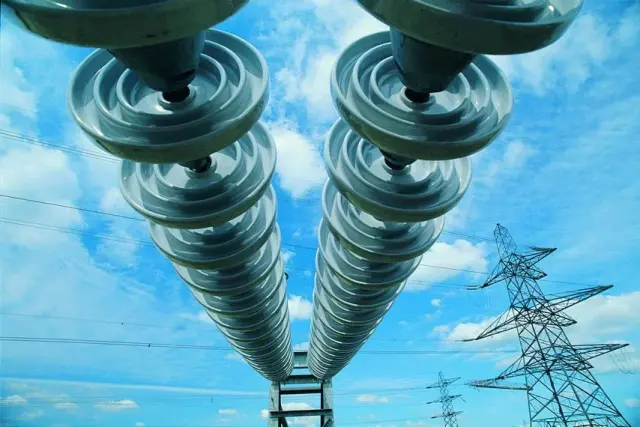
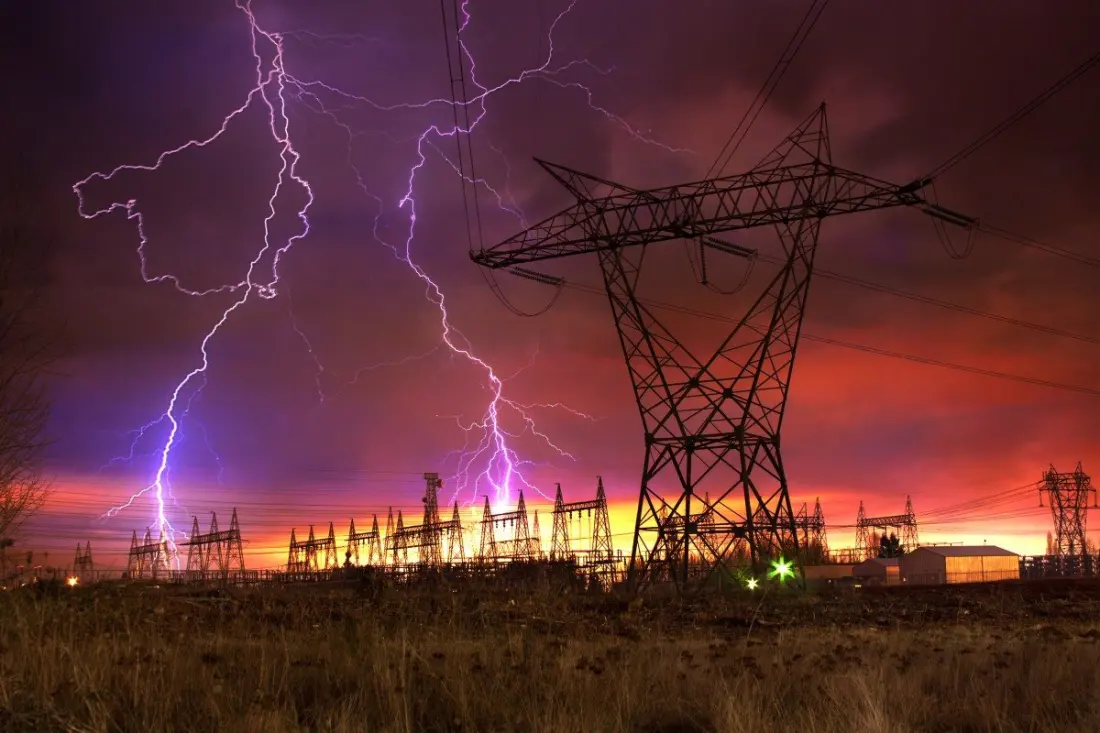
If you're on a package holiday, you'll probably never notice: large hotels and resorts run backup systems that paper over any interruptions. The picture changes if you live, work or work remotely in Mexico. Outages can strike at any time and last anywhere from a few minutes to several days, though they're most common in summer and during the rainy season, when torrential thunderstorms and high winds knock out pole-mounted transformers or sub-stations. A blown transformer usually darkens a street or two; a sub-station failure can silence an entire neighbourhood or small town. The good news: the national utility generally responds quickly, and most cuts are over within hours.
The inconveniences are varied and, in the moment, mildly surreal. Traffic lights die and city congestion worsens. Refrigerated food becomes a concern if an outage stretches past a day or two. Modern convenience stores with electronic tills can be forced to close. And for anyone working from home, the moment a film reaches its climax or a big file is mid-upload, the router goes dark — laptops with battery power can't help if the internet itself is down.
That last point is the big one for remote workers and the self-employed. The standard fix is an office-grade UPS — essentially a battery in a box that keeps computers, routers and printers running when the mains cut out. Readily available in Mexico from OfficeMax, Home Depot and Amazon Mexico, consumer models typically buy you 30 to 120 minutes of runtime; the longer the backup, the higher the price. Businesses that genuinely can't go dark can step up to industrial-grade UPS systems or diesel generators through specialist suppliers.
Two hidden dangers are worth understanding. First, brown-outs — noticeable when lights swing between normal brightness and a dim glow — drop the voltage, which raises amperes and can kill high-tech kit. If you see that flickering, unplug fridges, washing machines and computers straight away. Second, power surges often occur when electricity returns after a cut, and they can be just as destructive. A surge protector is a cheap insurance policy; some UPS units double as surge protectors or voltage regulators, and protection units can also be bought separately. Many long-term residents simply unplug sensitive equipment during prolonged outages and reconnect only after the supply has stabilised.
For travellers, the takeaway is mild: stick to established hotels and you'll barely register that Mexico's grid occasionally stumbles. For expats, digital nomads and anyone renting long-term, a UPS and surge protector should be on the starter-shopping list alongside the fan and the water filter. Power cuts here aren't a crisis — they're a routine to be managed, and a small upfront investment keeps your work, your food and your electronics safe through the stormy months.