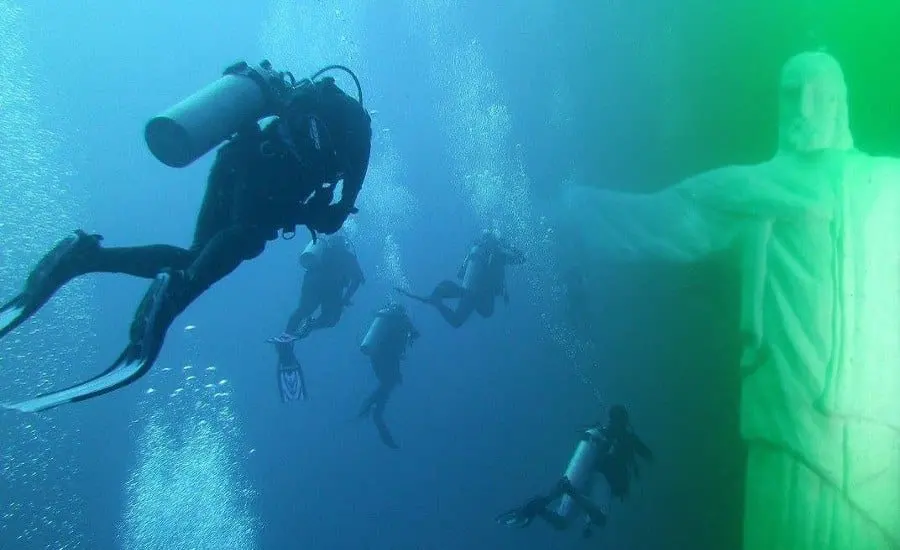
Most travellers book El Salvador for its surf breaks. Few realise you can also dive in a volcanic crater lake or drift over Pacific rocky reefs — often in the same week.
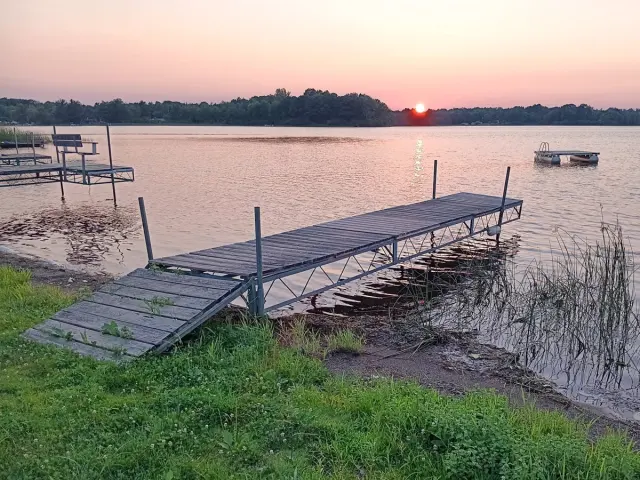
The freshwater options are genuinely unusual. Lake Ilopango, a short trip from San Salvador, fills an ancient volcanic caldera, so instead of coral you get steep rocky slopes and submerged volcanic formations, plus hardy freshwater fish. Local dive operators run trips to the good spots. No colourful reef life here — the draw is the geology and the novelty of descending inside a crater.
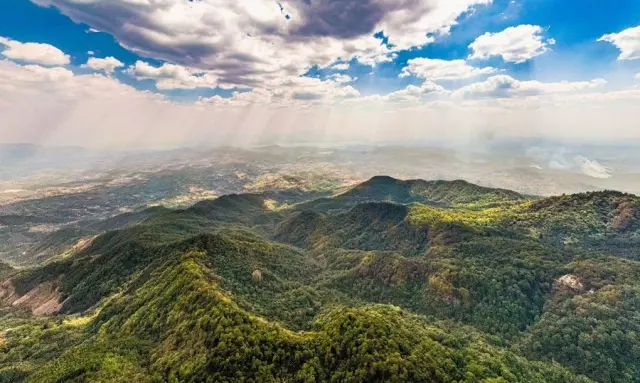
Lake Coatepeque, near Santa Ana, is the second freshwater option. Its blue water and mountain backdrop make it a popular weekend escape even for non-divers, and when conditions allow you can dive among rocky underwater formations. Visibility shifts with the weather and seasons, so check with a local instructor before committing. It pairs easily with kayaking, swimming or a long lakeside lunch.
For ocean diving, head to Los Cóbanos on the Pacific coast. This is El Salvador's standout marine environment: rocky reefs, coral communities and a protected marine area that shelters reef fish, crustaceans and other sea life. Sightings depend on season, conditions and location, and the protected status matters — no touching coral, no disturbing wildlife, nothing removed from the seabed.
Timing is straightforward. Freshwater diving works most of the year, though rain can cloud the water and operators adjust schedules accordingly. For the coast, aim for the dry season: November to February is considered the best window for Los Cóbanos' reefs and shipwrecks, per the country's official tourism site.
Beginners are welcome. You can dive with a trained instructor without certification, while qualified divers can join trips matched to their level. Operators such as WaterQuest and El Salvador Divers handle tours and training — contact them ahead of time to confirm destinations, equipment, certification requirements and schedules.
Standard safety rules apply, arguably more so given the mix of lake and coastal environments: check visibility, currents, weather and your kit; stick with experienced instructors; and follow PADI basics — dive with a buddy and stay within your training limits.
If you're the kind of traveller who's already ticked off the usual Central American highlights, adding a crater-lake dive or a Pacific reef session gives El Salvador a second act beyond its beaches. It's cheap by dive-travel standards, logistically simple, and still blissfully under-visited.