Storm Agneta has left parts of Rhodes dealing with the aftermath of serious flash flooding, prompting the UK Foreign Office to refresh its travel advice for Greece heading into the winter season. The Foreign, Commonwealth and Development Office now reminds British travellers that Greece can experience severe winter storms capable of producing sudden floods.
The situation on Rhodes got dramatic fast. Residents received an emergency alert at around 3.30am on Monday as torrential rain turned streets into fast-moving rivers. Some people ended up sheltering on rooftops overnight, at least 60 vehicles were swept away by the currents, and homes and shops were flooded. Rescue teams had to step in, and the island's Civil Protection Office told residents to stay put, avoid rivers, streams and coastal areas, and never attempt to drive through standing water. Schools closed in several areas, including Lindos, South Rhodes, Archangelos and Afantou.
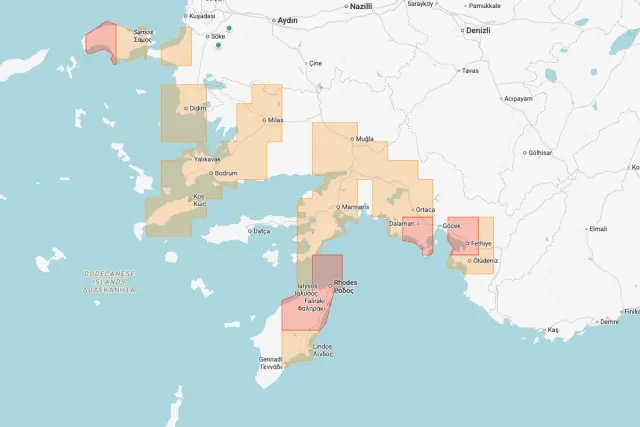
The Hellenic National Meteorological Service had issued an orange weather warning covering the Dodecanese islands (including parts of Rhodes), the Ionian islands and Epirus, though that alert has since been lifted. And this wasn't a one-off: just weeks earlier, mid-October floods in Greece and Turkey killed at least three people, including a 62-year-old man who died on Rhodes when floodwater swept his car onto a beach near a small seaside village roughly 30km from Rhodes town.
So should you cancel a trip? Not necessarily. The immediate warnings have eased, and Greece handles tens of millions of visitors a year with well-drilled emergency systems. But the advice does highlight one simple, practical step worth taking wherever you're staying: enable emergency alerts on your phone. That lets messages from Greece's Emergency Communications Service reach you directly, covering everything from flash floods to wildfires, earthquakes and extreme heat — all events Greece does genuinely experience. If a storm is forecast during your stay, take the same common-sense precautions locals were given: steer clear of rivers, coastal areas and flooded roads, and don't try to drive through water.
The bigger takeaway is seasonal. Winter in Greece is far quieter and cheaper than summer, but it comes with real weather risk, especially on islands like Rhodes that are built around a summer tourism calendar. If you're travelling between roughly November and March, keep an eye on forecasts from EMY, build some flexibility into ferry and flight plans, and know that an orange or red alert can mean school closures, road disruption and stay-indoors guidance at short notice.
For anyone booking a shoulder-season or winter escape to the Dodecanese, this is a nudge to pack for the unexpected rather than a reason to stay away. Rhodes remains open for business, its medieval old town and beaches aren't going anywhere, and with emergency alerts switched on and a little weather awareness, a winter trip can still go smoothly.
Story first reported by The Independent Travel.