Greece is busier than it has ever been. Arrivals jumped 38% in the early months of 2026 — the sharpest rise anywhere in Europe, well ahead of second-place Italy's 21% — and for a country of roughly 10 million people, that volume of visitors puts real strain on roads, ferries, hotels and water supplies. The Bank of Greece has flagged another complication: this record tourism is colliding with growing climate pressures, from wildfire seasons across the Mediterranean to warnings tied to El Niño. The result is a country that increasingly needs travellers to spread out across the calendar.
The pitch from locals is simple: summer is the most crowded, most expensive and least interesting time to be in Greece. Each season has its own rewards elsewhere in the year.
In early spring, Crete is a hiker's island — green slopes, empty trails and the odd ski opportunity in the mountains — and Chania hotelier Nikos Tsepetis, whose Ammos Hotel and Red Jane Bakery have made him a local hospitality fixture, counts spring as his favourite time in the city. On Paros, ceramicist Christiane Smit (who runs an atelier in Lefkes and the clifftop villa Moonhouse) champions the quieter shoulder months, when village life runs at its own pace. Santorini winemaker Michael Kouloglou, who produces small-batch Assyrtiko under his Orycton label near Monolithos, makes the case for autumn: the tourist boats have thinned out, but the vineyards and the island's famous white wines are in their element.
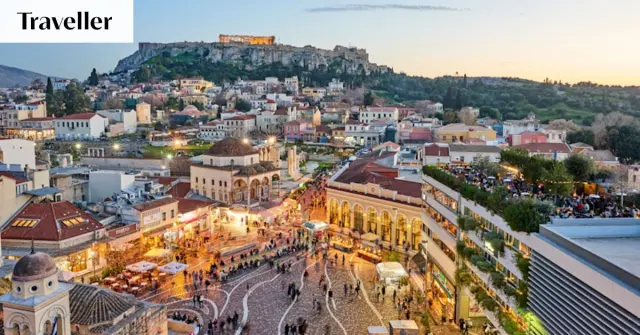
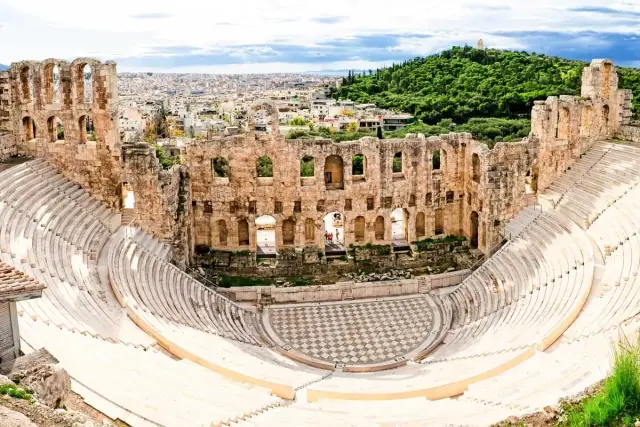
Food is the common thread through the cooler months. Spring means fresh olive oil tasted straight from the groves after harvest; early autumn brings the panigiria — local village festivals on the small islands — to a close with parties that welcome outsiders. In Corfu, food writer Anastasia Miari has spent years documenting the instinct-driven family recipes of remote villages, and argues spring is when the island's kitchens shine. Athens, meanwhile, is a fall city according to hotelier Agapi Sbokou of Greek brand Phāea: the open-air ruins sit in soft pre-winter light, and the capital's energy returns once the summer crowds drain away.
For anyone planning a Greek trip, this is more than a pleasant aside — it's practical advice. Off-season travel means cheaper rooms, bookable tavernas, half-empty ferries and genuinely warm welcomes, plus a trip that puts money into local economies when they actually need it. And with the mainland's ancient sites drawing fresh attention thanks to an upcoming Christopher Nolan film, the quiet corners — the Peloponnese coast, the northern Aegean's Thermaic Gulf — won't stay quiet forever. The local wisdom sums it up in two words: siga siga. Slowly, slowly.