Rhodes is still recovering from the devastating wildfires of summer 2023, and now holiday companies and visitors are being enlisted to help. TUI has launched TUI Forest Rhodes, a three-year regeneration project that will restore 80,000 square metres of fire-damaged land on the Greek island, plant over 3,000 trees and mobilise around 1,500 volunteers — and tourists are explicitly invited to take part.
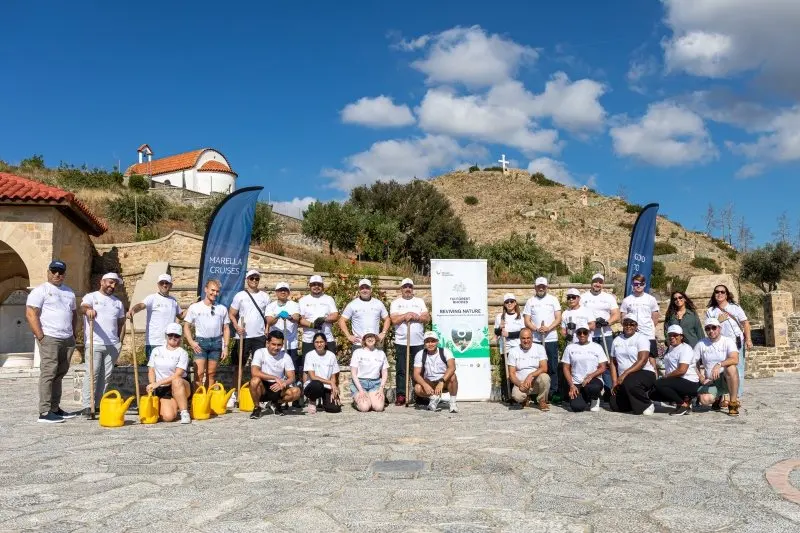
The project got a hands-on start in October 2026, when 25 crew members from the Marella Discovery, a cruise ship that calls at Rhodes regularly, joined a tree-planting day on the island. That's the model going forward: cruise guests, hotel staff, students and locals all chipping in rather than leaving the work to contractors.
There's serious infrastructure behind the feel-good planting. The project includes an irrigation system fed by a natural spring and connected to the island's water network, plus fencing and dedicated fire-prevention measures — a sensible nod to why the land needs help in the first place. An old stone building on the site is being converted into an Education and Information Center for environmental workshops, volunteer sessions and visitor engagement. A new nature trail will let people walk through the regeneration zone and learn about local biodiversity and how forest restoration actually works.
The initiative is being run through the TUI Care Foundation with Greek environmental group Gia Ti Fisi, under the Rhodes Co-Lab umbrella. It's also a jobs story: 45 local positions will be created or maintained over the project's life.
Why should this matter to your holiday plans? Rhodes remains one of the Mediterranean's most popular island destinations, and the 2023 fires — which forced the largest evacuation in Greek history — hit both its forests and its tourism image. Projects like this give travellers a way to give something back: join a planting day, walk the new trail once it opens, or simply book with operators investing in the places they sell. For cruise passengers on Marella and other TUI brands stopping at Rhodes, the connection is direct — you can literally see (and shape) the impact of your visit. It's also a useful signal of where sustainable tourism is heading: less offsetting paperwork, more shovels in the ground.