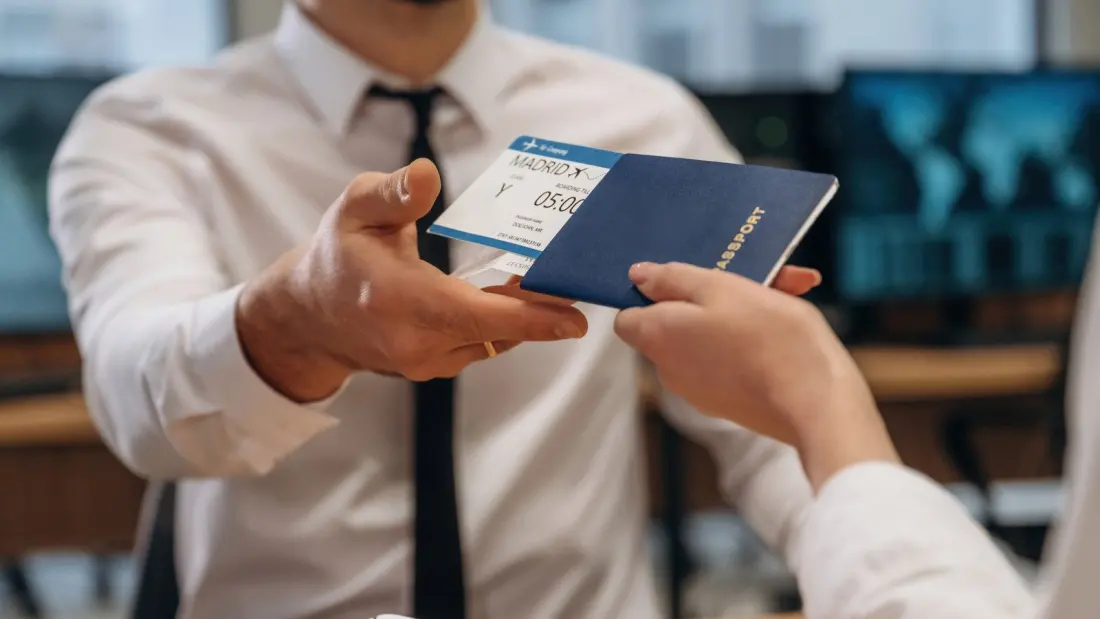
Most of us scan a boarding pass for the gate number and boarding time. But a small set of codes can appear in place of a seat assignment, and one of them is worth knowing before your next flight: GTE, short for "gate assignment pending." Variations like "gate" or "see agent" mean roughly the same thing — you don't have a confirmed seat yet.
Why does this happen? Airlines routinely oversell flights. It's legal, and it's a deliberate bet: no-shows are common enough that selling extra tickets usually fills the cabin. The problem arrives on the days when everyone shows up. When that happens, the gate agent — not the check-in desk — is left to work out who flies and who waits. An Air Canada ticket agent described to Travel and Leisure how the system works in practice: agents hand the problem to the gate to avoid front-line confrontation, and passengers who discover at boarding that they have no seat tend to be exactly as angry as you'd expect.
There's a less alarming possibility too. Sometimes "see agent" simply means your travel documents need a check — a visa or passport verification, for instance. So don't panic at first sight of the code, but do head straight to the desk, because it can be a warning sign of an oversold flight.
If you are bumped, you're not powerless. In the United States, Department of Transportation rules require compensation that scales with the delay: nothing if your rebooked flight departs within an hour, but 400% of your one-way fare if you're delayed more than two hours. Airlines can cap that payout at $2,150, and the rule covers both domestic and international itineraries. Compensation can come as cash, vouchers or a free ticket, depending on the carrier and situation — so ask before accepting the first offer.
You can also tilt the odds in your favour before you ever reach the airport. Frequent flyers with elite status and passengers who paid premium fares are usually the last people airlines bump. The first to be nudged off? Solo travellers on basic economy tickets. If avoiding a bump matters — a wedding, a cruise connection, a tight work schedule — choosing a seat assignment at booking and skipping the cheapest fare class buys real protection. Checking in early helps too, since a confirmed seat assignment in the system is harder to take away than a pending one.
The short version: GTE isn't a death sentence for your trip, but it's a prompt to act. Talk to an agent, find out whether it's a document check or an oversale, and if it's the latter, know what the law says you're owed before you negotiate. Worst case, you take the voucher, grab a coffee and get there a few hours late — but on your terms, not the airline's.
Original reporting via Explore.com.