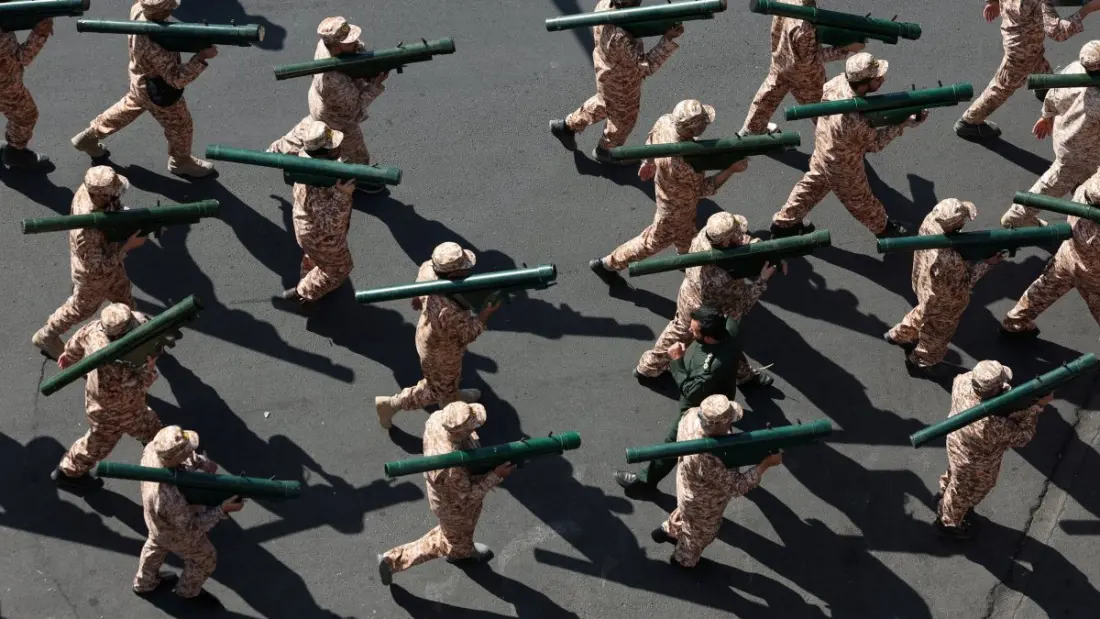
The Revolutionary Guards have issued a fresh warning to Washington: if American strikes resume, Iran will change both its weapons and its targets. IRGC spokesperson Hossein Mohebbi told the Fars news agency on Monday that a new US attack would trigger 'significant changes' in Iran's defence, promising to introduce new weaponry and strike targets that have so far been untouched. Tehran, he added, is braced for a prolonged conflict.
The threat lands almost seven months into a war that began on February 28, when the US and Israel launched operations against Iran. Since then the two sides have settled into an uneasy stalemate — fighting flared again at the end of last month before easing in recent days, and neither government currently seems keen on a return to all-out war. Iran's military central command separately claimed over the weekend that Washington is planning further action, without offering details.
The most immediate worry for anyone travelling in or near the Gulf is the Strait of Hormuz. Iran now controls much of the waterway and keeps up sporadic attacks on commercial shipping, while the US maintains a counterblockade of Iranian ports. On Monday, a tanker sailing inbound through the strait was hit by an unknown projectile, wounding two crew members. UK Maritime Trade Operations confirmed the strike; British security firm Vanguard Tech identified the vessel as the UK-flagged tanker La Stephanie, hit by a drone while heading towards the Gulf. Both crew injuries were minor and the ship continued to port under its own power, with no environmental damage reported.
Before the war, roughly 20 million barrels of oil — about a fifth of global supply — moved through Hormuz every day. Traffic has resumed in part, but remains well below normal levels because of the rival blockades. For travellers, the knock-on effects are real: disruption to Gulf cruise itineraries, higher fuel and airfare costs as routes and insurance premiums shift, and heightened security screening across the region. Anyone with trips planned to the UAE, Oman or nearby Gulf states should keep an eye on their foreign office's travel advisories, check whether flights or cruises call at affected ports, and build flexibility into bookings. The situation can change quickly — a single flare-up reopens questions about airspace closures and maritime routes.
In short: this is not a story about a destination to avoid forever, but a live risk to factor into any Gulf or Indian Ocean travel planning right now. Monitor official guidance, confirm operator policies on cancellations, and think twice about transit through the strait region until the standoff resolves.