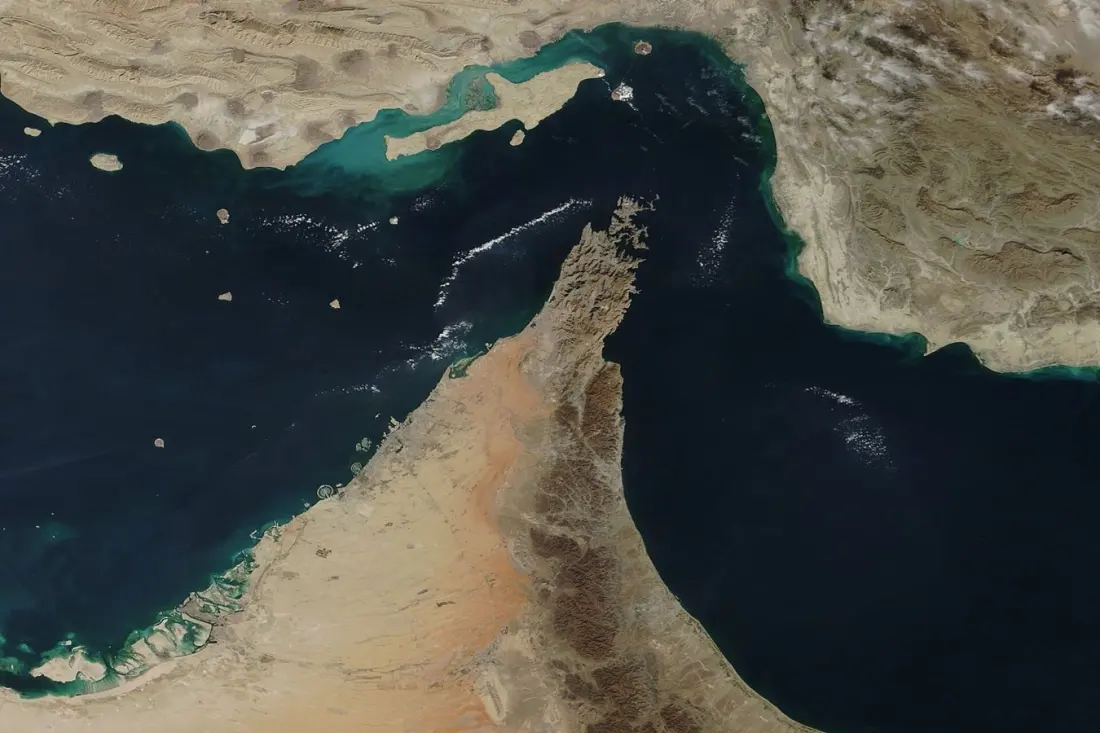
Iran has put a new offer on the table: the Strait of Hormuz could reopen to commercial shipping within 48 hours of the United States accepting seven conditions. Foreign Ministry spokesman Esmaeil Baghaei announced the timetable on November 2, replacing an earlier seven-day proposal Iran had passed to Washington through Qatari mediators in September.
Four of the seven demands relate directly to the waterway: a full end to hostilities on all fronts, the unfreezing of Iranian assets held abroad, the lifting of sanctions on Iranian oil exports, and the removal of the US naval blockade of Iranian ports. Foreign Minister Abbas Araghchi added three more — a new transit route through the strait agreed jointly with Oman, a reduction in American troop numbers across the Middle East, and the cancellation of sanctions imposed since August. Iran also insists nuclear talks can only start after these conditions are met, a sequencing Washington is unlikely to accept.
Qatar remains the key intermediary. Iranian deputy foreign minister Kazem Gharibabadi held talks in Doha before negotiators left on November 1 — a departure officials stressed was not a walkout. A Qatari delegation then flew to Tehran, with both governments expected to respond to mediator proposals within 36 hours. But the military tempo is working against the diplomats: overnight on November 3, US forces struck surface-to-air missile systems on Iran's Qeshm Island, and Iran's Revolutionary Guard reported downing American drones near the strait. A senior Iranian official told Reuters the two sides remain far apart.
The stakes are enormous. Roughly 20 million barrels of oil moved through Hormuz per day in 2025 — about a quarter of the world's seaborne oil trade — alongside nearly a fifth of global LNG exports, mostly bound for China, India, Japan and South Korea. Even if the strait reopens, shipping lines will want solid security guarantees and clear navigation rules before resuming normal traffic, so disruption to freight costs and regional travel would not vanish overnight.
For travellers, the practical takeaway is simple: any Middle East itineraries touching the Gulf — whether transiting hubs like Doha or Dubai, or visiting Gulf states themselves — remain exposed to fast-moving escalations. Monitor your foreign office's travel advice, check whether flights and cruises touch Iranian territorial waters or the strait itself, and build flexibility into bookings over the coming weeks, since strikes and counter-strikes have repeatedly upended diplomacy here within a single day.
Whether the 48-hour clock ever starts now depends on Washington, and both capitals appear to be digging in.